
What’s one piece of travel advice you always follow? Less clothes, footwear and food. Take jeans, slip-in trainers. No toiletries, no books. If you can buy at your destination, don’t take it.
Only Take Indispensable Items
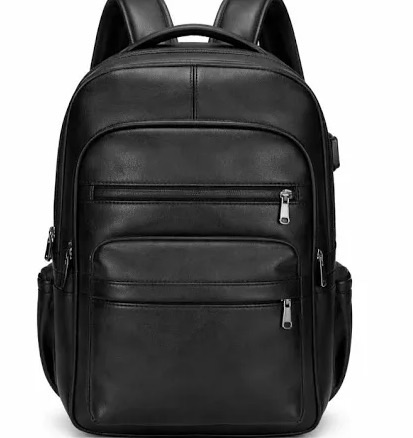

What’s one piece of travel advice you always follow? Less clothes, footwear and food. Take jeans, slip-in trainers. No toiletries, no books. If you can buy at your destination, don’t take it.
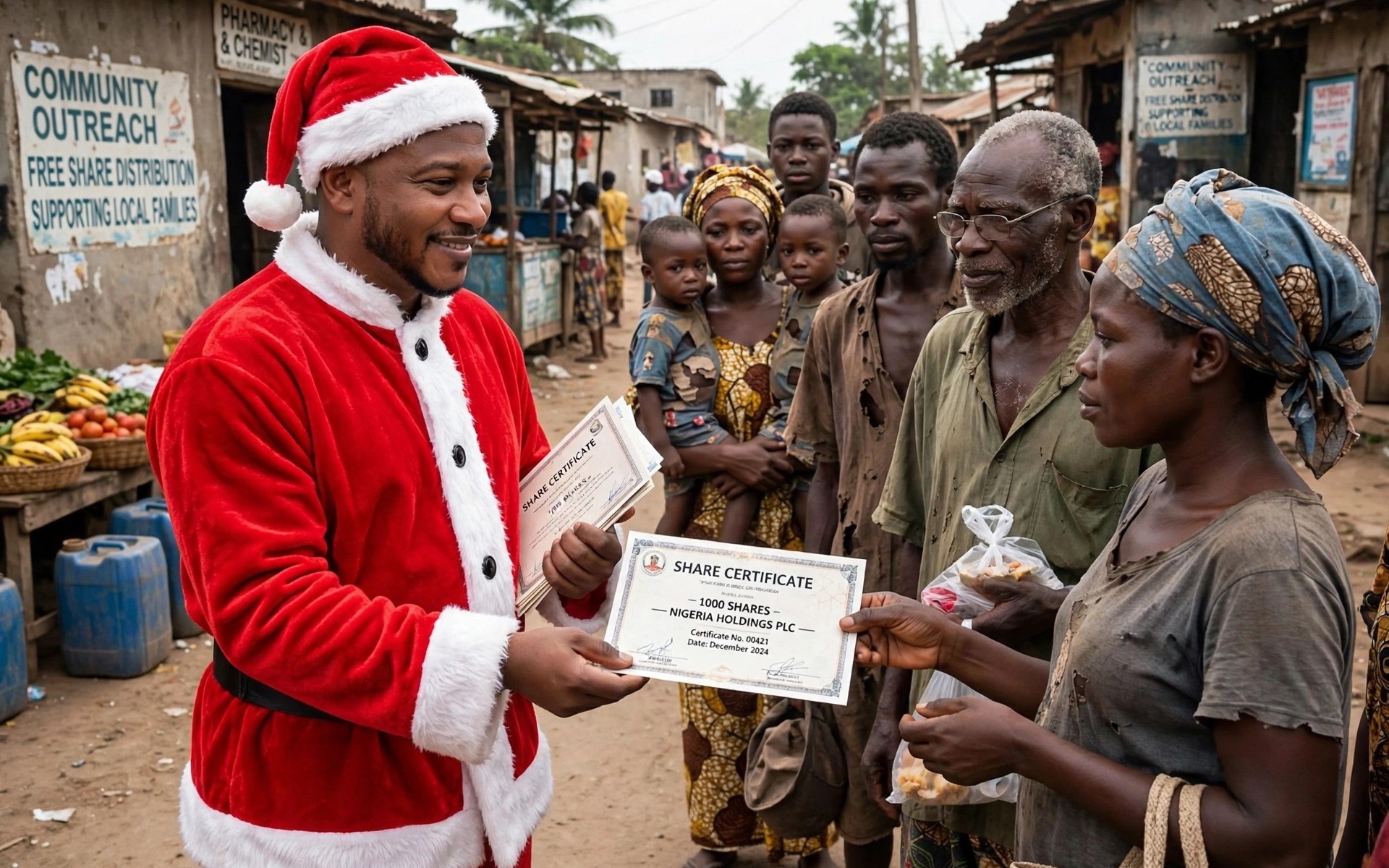
And it appears the less financially viable these states are, the less practical their ideas become. Two of them, Zamfara and Gombe, have now proposed (and in Gombe’s case, actually begun) buying Dangote IPO shares for their poor people without any serious legal or financial framework. One is sprinkling roughly 20 shares each on 36,176 …
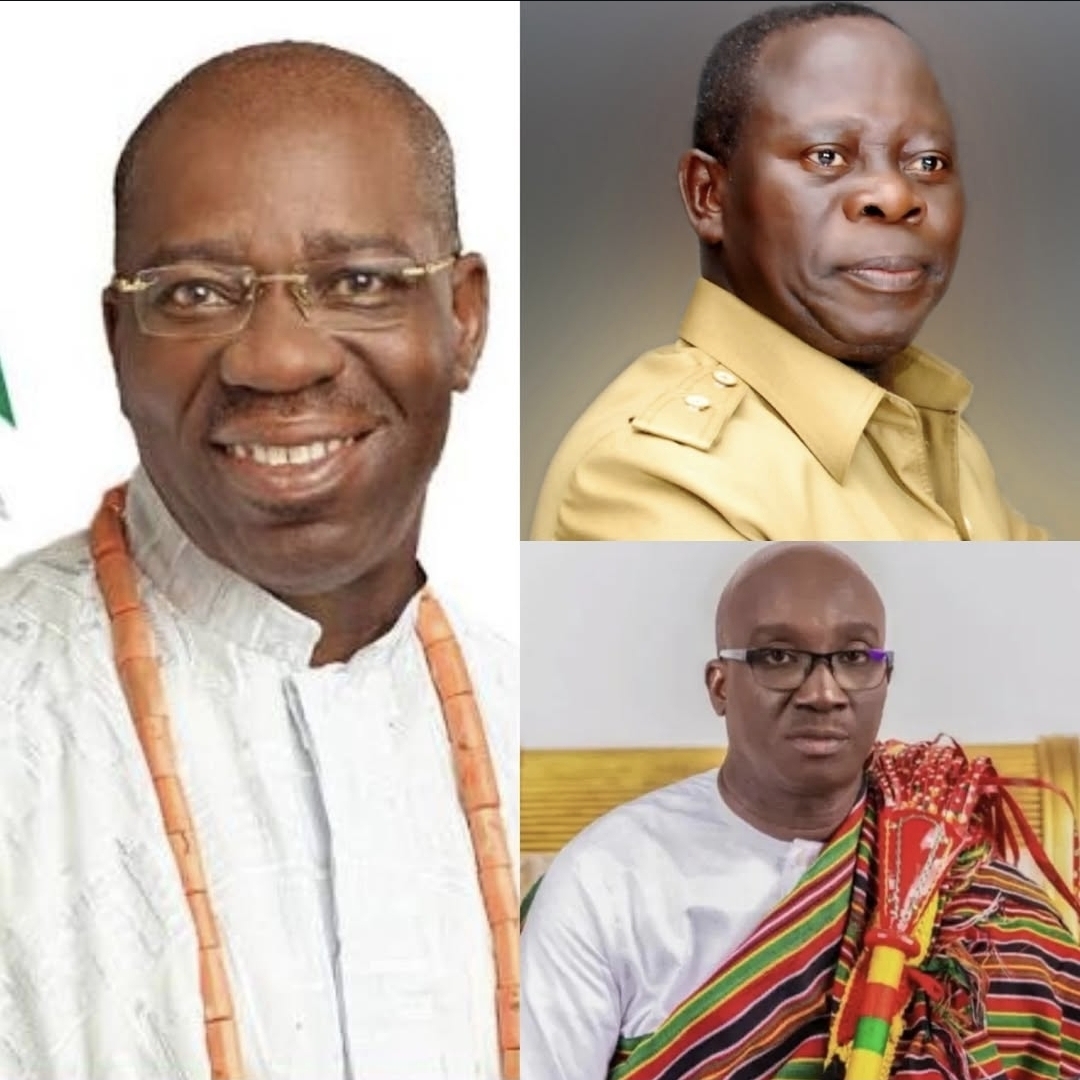
There are moments in politics when a confession is more revealing than an investigation. A politician, carried away by the confidence that comes with power, may disclose what an entire opposition party has spent years trying to establish. In Nigeria, where political memory is often shorter than a campaign promise, such admissions deserve to be preserved for posterity.
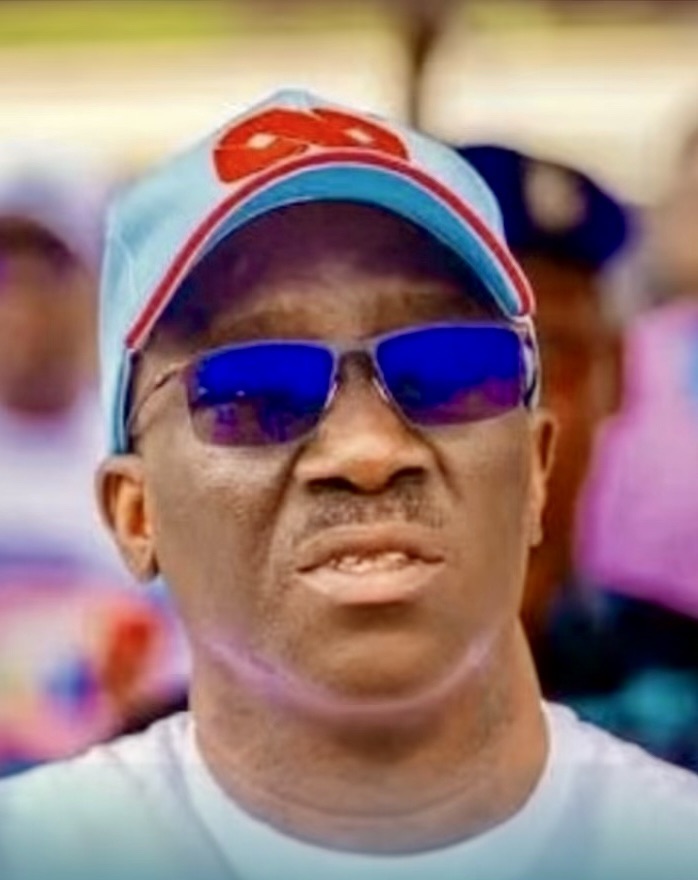
There is a peculiar affliction in Nigerian politics: some politicians cannot distinguish between winning an election and acquiring ownership of the state. To them, victory at the polls is not a temporary mandate to govern the people. It is a licence to command institutions, domesticate independent organisations and demand political obedience from everyone within reach of government.
What was your first ever videogame? Never really liked video games

