

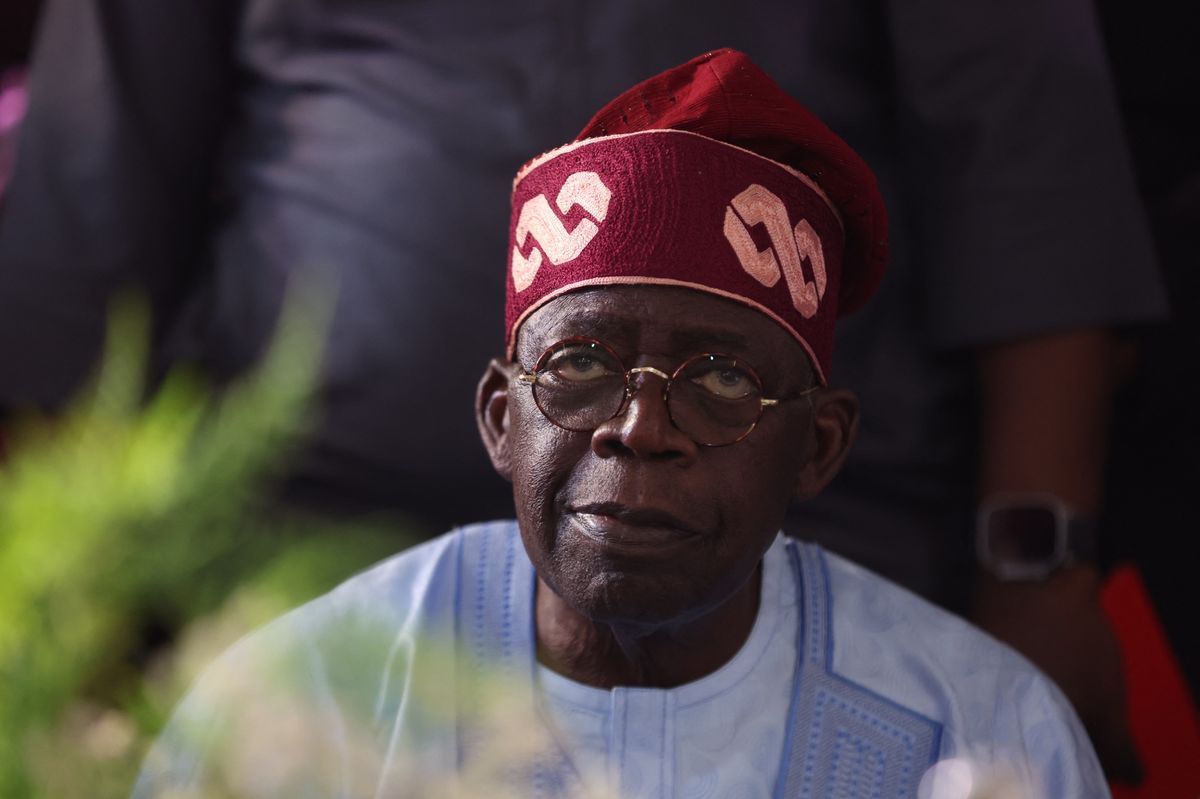
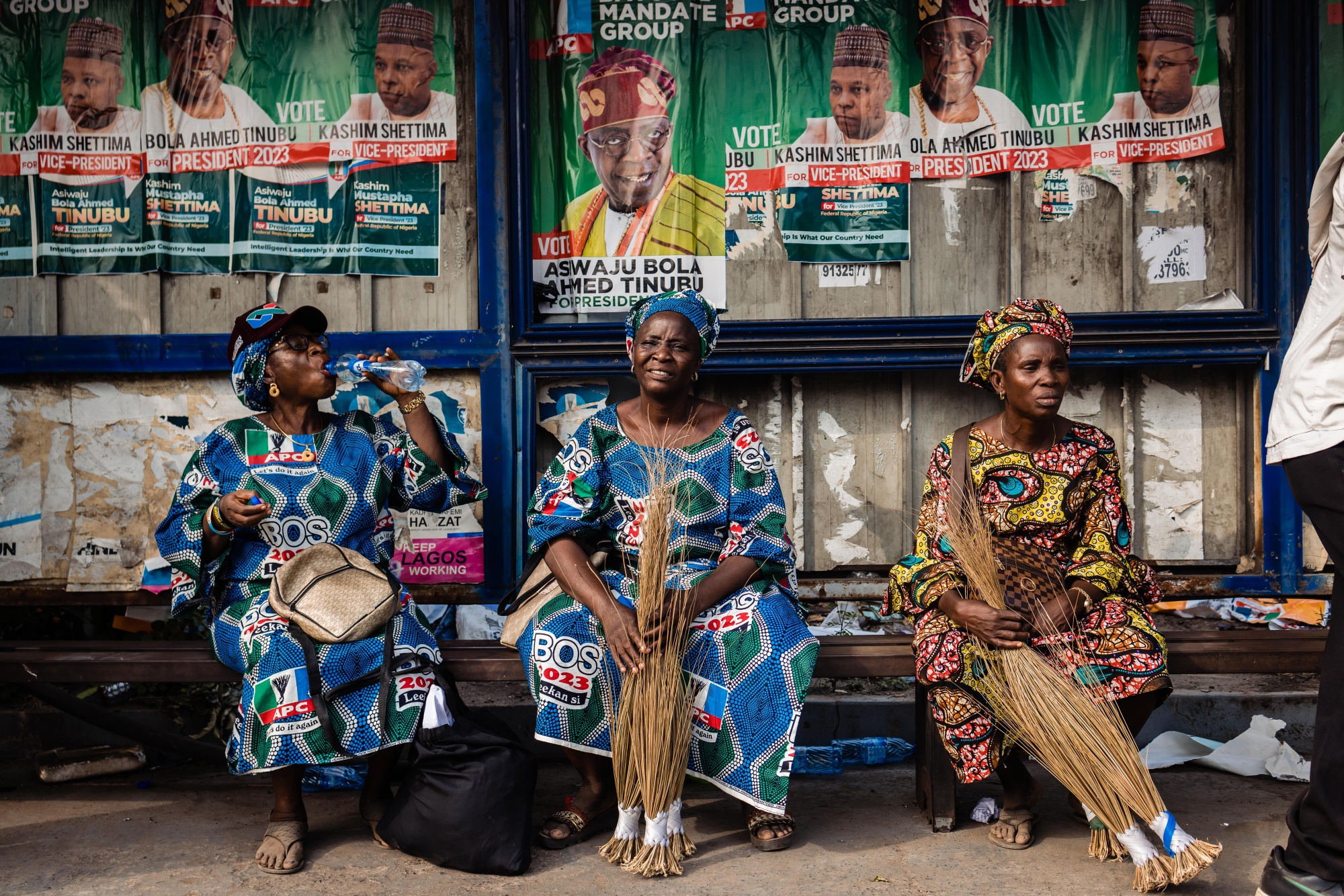
Two months into his presidency, Bola Tinubu has had to issue an impassioned defense of decisions that have roiled Nigeria’s economy and increased hardship for the nation’s more than 200 million people.
Tinubu’s actions — most notably abolishing a cripplingly expensive fuel subsidy and allowing the naira to weaken — were long overdue and have been rewarded with a stock-market rally. His argument that he’s dismantling a structure that allowed members of the elite to enrich themselves rings true.
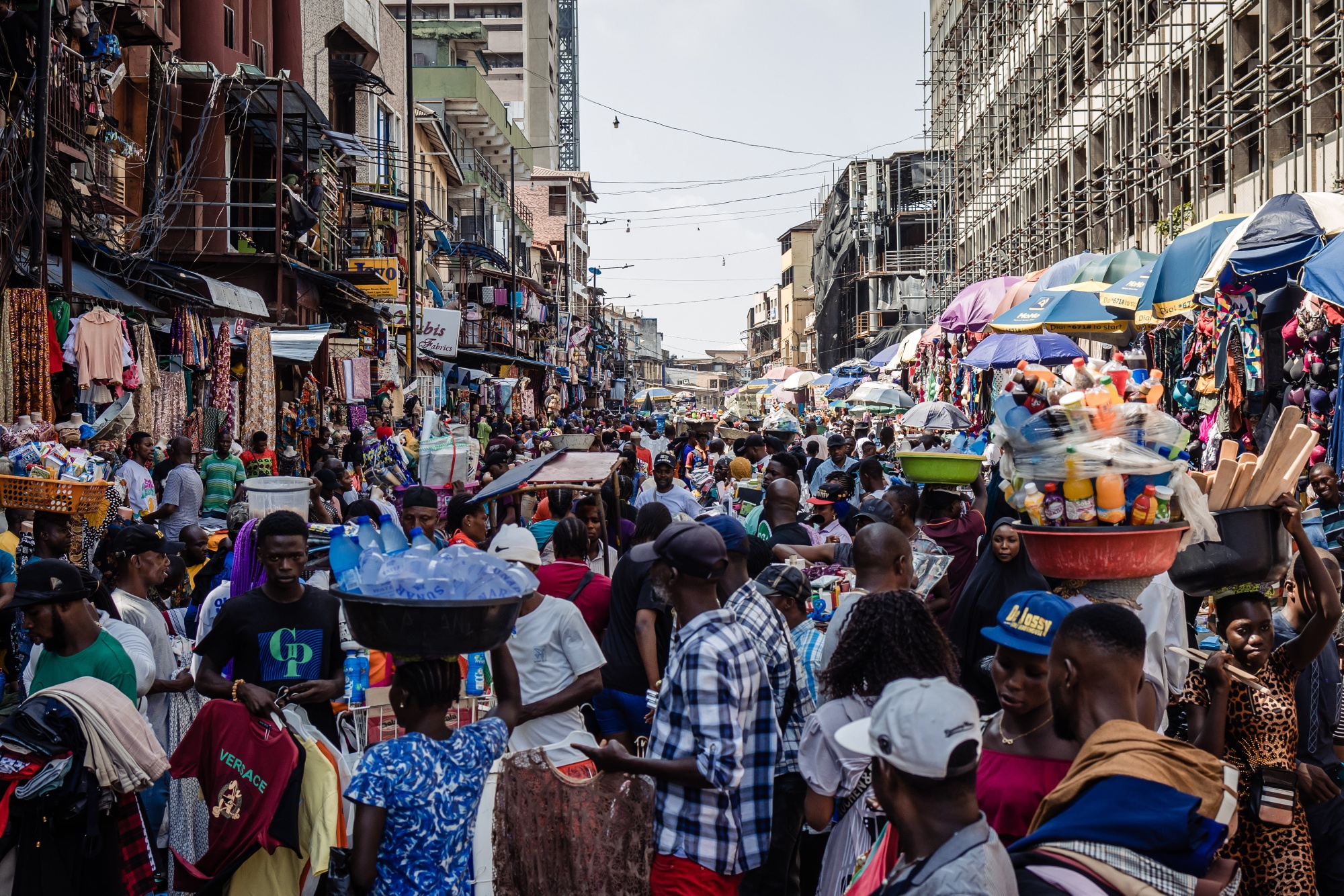
But at street level, it’s harder to swallow. Inflation, spurred by a tripling of the price of gasoline and more expensive imports, is accelerating at its fastest pace in almost 18 years, and interest rates are at a record high.
“Our economy is going through a tough patch and you are being hurt by it,” he said in a national address. “I understand the hardship you face.”
Tinubu, who was part of the same political elite that created the problems over the past two decades, laid out a $650 million package of measures he’s taking to ease the pain for households.
Those include some subsidized grain, distribution of fertilizer and the deferment of taxes in a bid to boost manufacturing. The government will also review the minimum wage.
None are quick fixes.
Tinubu’s policy decision endeared himself to capital markets and he has asked his citizens for time with a promise of better days ahead.
That’s trying the patience of his fellow Nigerians, who have heard the line before.
 Centre for Nigeria Progress