
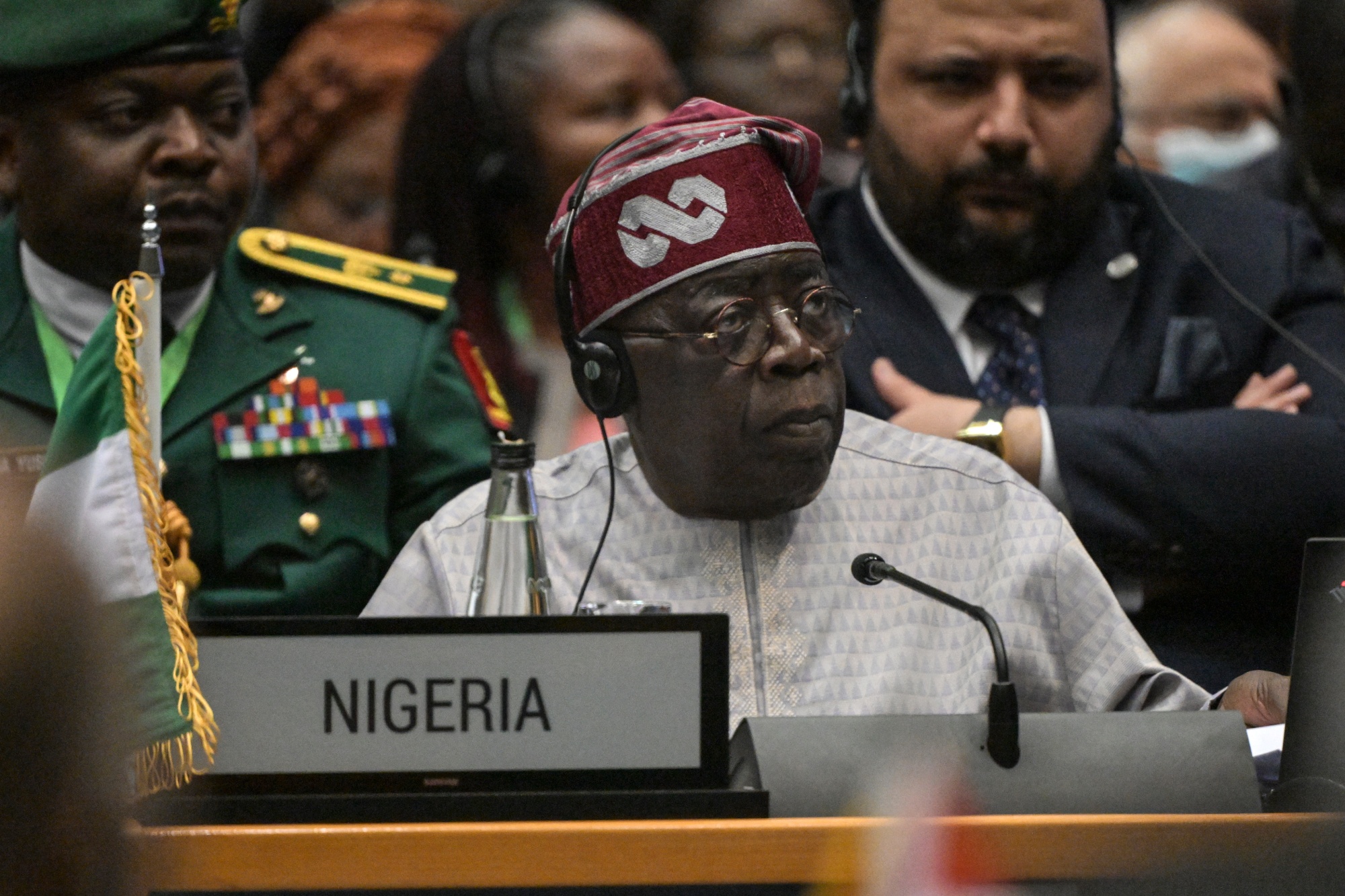
Nigerian President Bola Tinubu is facing a fresh challenge to his attempts to rein in runaway inflation and get the unruly economy back on track.
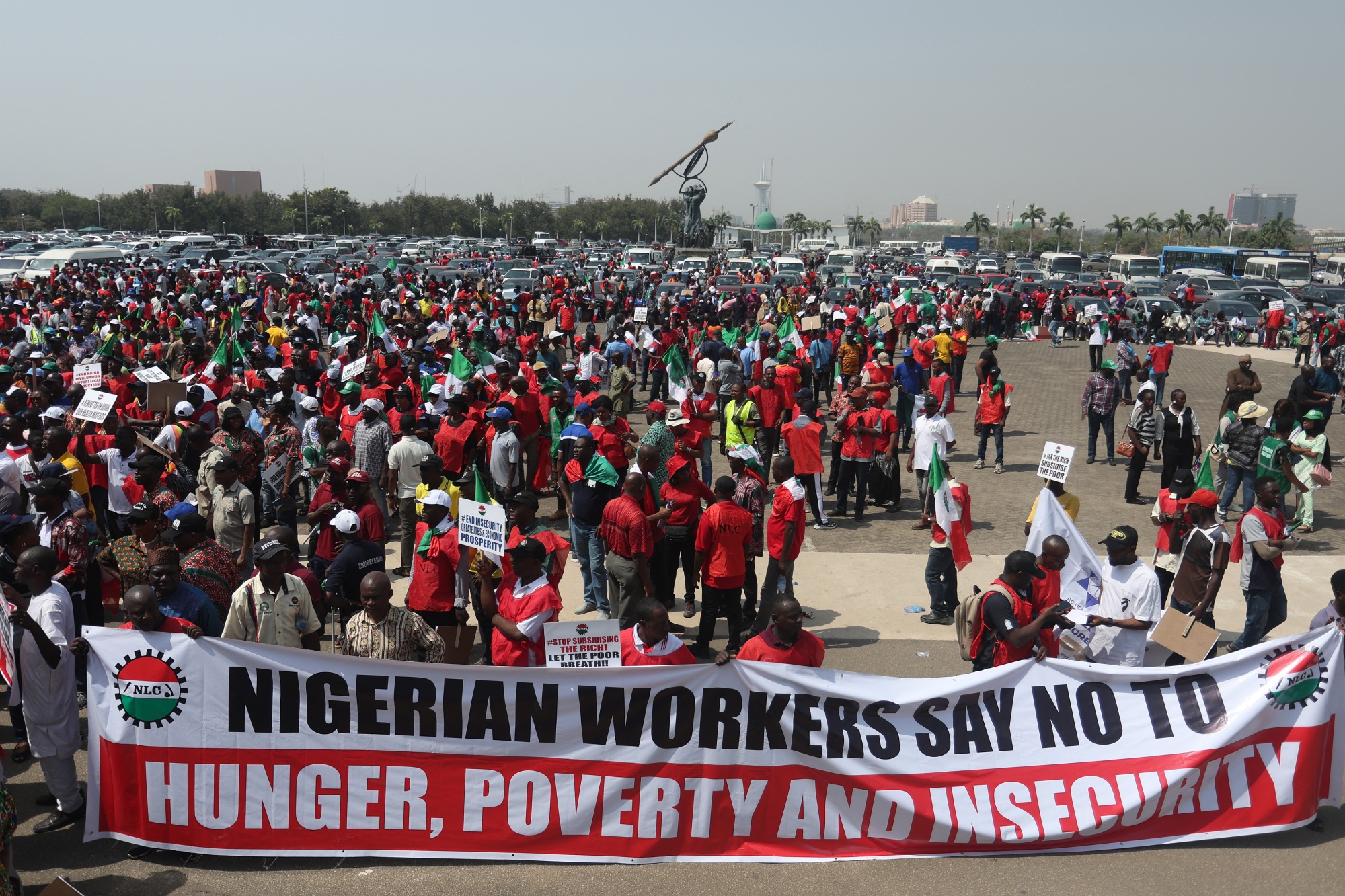
Labor unions are demanding that the minimum monthly wage of about $20 be increased eightfold, while the government and the private sector have offered to double it.
After months of negotiations, the unions went on strike last week that closed airports and shut down the national power grid. While they suspended their labor action and held further talks, the point was made: A middle ground needs to be reached.
“It was a short but fairly effective strike,” said Jervin Naidoo, an analyst at Oxford Economics Africa. “It’s going to be a real compromise for the government.”
Granting workers a substantial raise would bring them relief from inflation that’s at a 28-year high. But it would also exacerbate pricing pressures and set back attempts to shore up state coffers.
Tinubu has already had to partially roll back his scrapping of a budget-crippling fuel subsidy and has started giving cash handouts to the poor.
When he speaks to the nation on Wednesday to commemorate national Democracy Day, the president will be expected to address the minimum wage and labor unions are anticipating some concessions.
Workers might have been be more inclined to tighten their belts if Tinubu’s administration hadn’t budgeted for luxury cars for officials and his wife, and a renovation of his deputy’s home.
 Centre for Nigeria Progress