


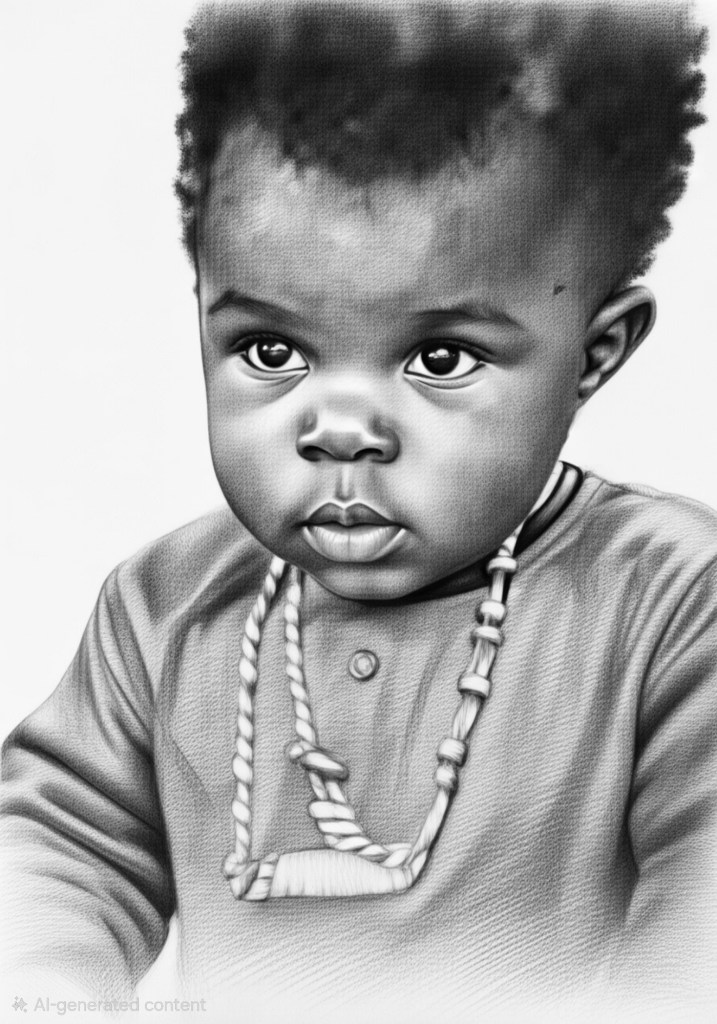
In a world saturated with fleeting trends, superficial glamour, and relentless digital noise, the phrase “the beautiful ones are yet to be born” echoes like a quiet prophecy. Borrowed and adapted from literary roots—most notably Ayi Kwei Armah’s seminal novel The Beautiful Ones Are Not Yet Born, which critiqued post-colonial corruption in Ghana—it serves as a reminder that true beauty, in its purest forms, often lies ahead, unborn and unmarred by the present’s imperfections. But what does this mean today, in an era of rapid technological advancement, environmental upheaval, and shifting social paradigms? This article explores the idea that the most profound expressions of beauty—be they in art, humanity, innovation, or nature—are still gestating, waiting for the right conditions to emerge.
The Weight of the Present: Why Beauty Feels Elusive
Beauty, as we know it, is subjective and multifaceted. It’s not just aesthetic appeal but also moral integrity, intellectual depth, and emotional resonance. Yet, in our current landscape, these elements often seem diluted or distorted. Consider the cultural sphere: social media algorithms prioritize virality over substance, turning art into content mills where originality is sacrificed for likes and shares. Musicians chase chart-topping formulas, filmmakers recycle franchises, and literature grapples with the pressure of market-driven narratives. The result? A proliferation of the mediocre, where the “beautiful” is commodified and fleeting.
On a societal level, systemic issues further obscure beauty’s potential. Corruption, inequality, and division plague nations worldwide, much like the disillusionment depicted in Armah’s work. In politics, leaders often embody the “worst” Yeats warned of—full of passionate intensity but lacking conviction in the common good. Environmental degradation strips the planet of its natural splendor: coral reefs bleach, forests burn, and species vanish at an alarming rate. It’s as if the world is in a state of labor pains, birthing not beauty, but chaos.
This elusiveness isn’t accidental. History shows that true beauty often arises from adversity. The Renaissance bloomed after the Black Death, modernism surged post-World War I, and digital art exploded amid the isolation of the COVID-19 pandemic. Our present struggles—climate crises, AI ethics debates, geopolitical tensions—may be the crucible forging something extraordinary. The beautiful ones, then, are not absent; they’re incubating in the shadows of our flaws.
Seeds of Tomorrow: Glimpses of Emerging Beauty
Despite the gloom, there are harbingers of what’s to come. In technology, for instance, we’re on the cusp of innovations that could redefine beauty. Artificial intelligence, once feared as a soulless mimic, is evolving into a collaborative tool for creation. Imagine AI-assisted symphonies that blend human emotion with algorithmic precision, or virtual realities that restore lost ecosystems for immersive education. Companies like xAI are pushing boundaries, not just in computation but in philosophical inquiry—asking how machines can enhance human potential without eclipsing it.
In the realm of human endeavor, young activists and innovators embody hope. Generation Z and Alpha are redefining beauty through inclusivity and sustainability. Movements like climate strikes led by figures such as Greta Thunberg highlight a moral beauty rooted in collective action. In art, street murals in war-torn regions or digital NFTs from underrepresented creators challenge traditional gatekeepers, proving that beauty thrives in diversity.
Nature, too, holds promise. Rewilding projects in Europe and Africa are restoring habitats, allowing species to reclaim their elegance. Coral restoration using 3D-printed reefs or gene-edited crops that combat famine point to a future where beauty and utility coexist. These efforts suggest that the beautiful ones—innovative solutions, resilient communities, harmonious ecosystems—are indeed on the horizon, awaiting birth.
Nurturing the Birth: What We Can Do
If the beautiful ones are yet to be born, we must act as midwives. This starts with fostering environments that encourage creativity and empathy. Education systems should prioritize critical thinking over rote learning, empowering the next generation to envision beauty beyond consumerism. Governments and corporations must invest in ethical innovation—regulating AI to prevent bias, funding green tech, and promoting cultural preservation.
On a personal level, we can cultivate beauty in daily life. Disconnect from the digital deluge to appreciate analog joys: a handwritten letter, a home-cooked meal shared with friends, or a walk in untamed wilderness. Support independent artists, volunteer for causes that matter, and challenge our own biases. Beauty isn’t passive; it’s participatory.
In essence, the phrase isn’t a lament but a call to action. It reminds us that while the present may feel barren, the future is fertile ground. By addressing our shortcomings today, we pave the way for tomorrow’s splendor.
A Hopeful Horizon
As we stand at the threshold of unprecedented change—be it through space exploration, quantum computing, or global interconnectedness—the beautiful ones are stirring. They may manifest as a world healed from division, art that transcends boundaries, or humans augmented yet humane. In the words of Armah’s novel, corruption and decay are temporary; renewal is inevitable.
The beautiful ones are yet to be born, but their time is coming. Let’s ensure we’re ready to welcome them.
 Centre for Nigeria Progress
Waiting hopefully for them ❤
LikeLiked by 1 person