

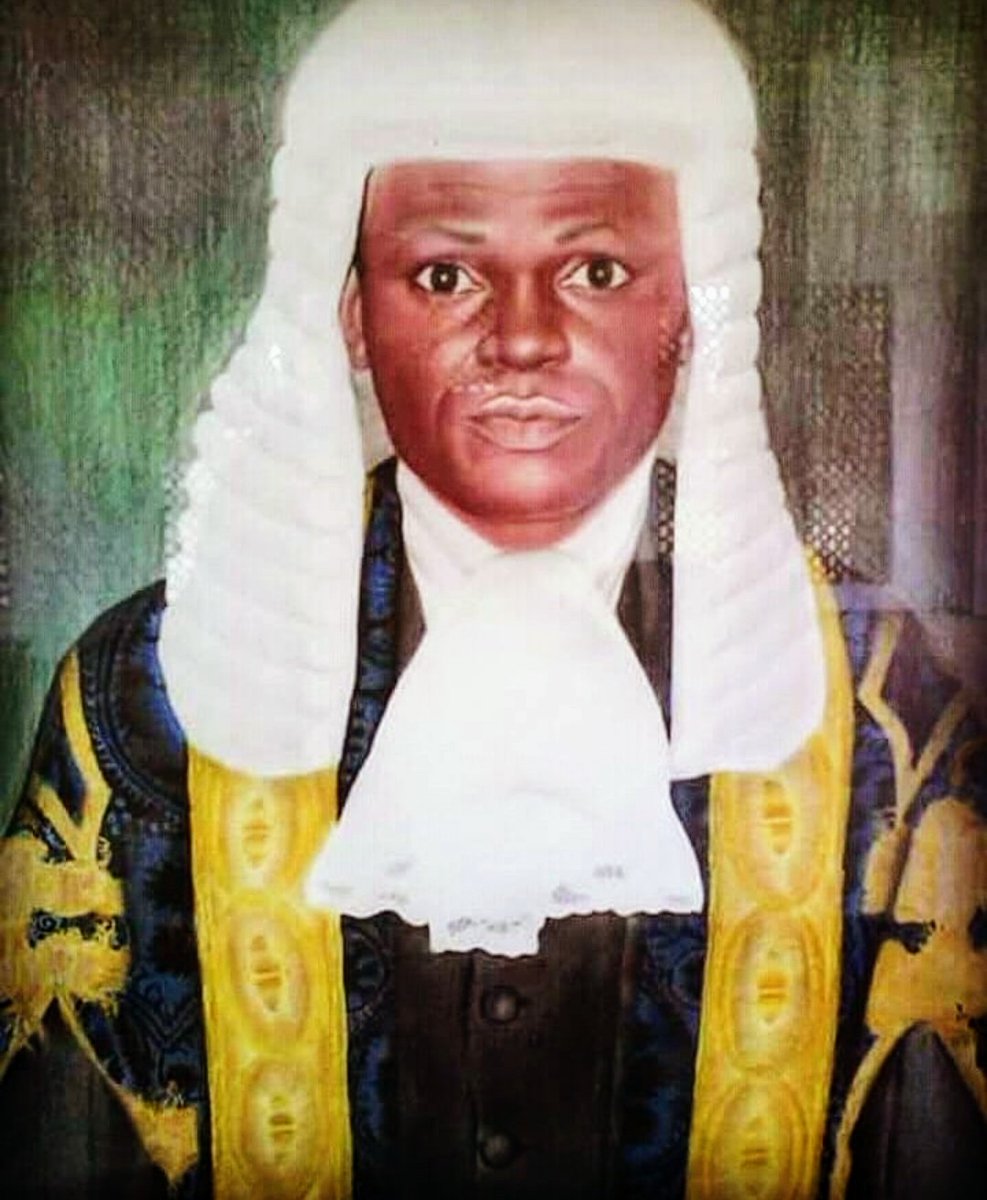

In the days of old Bendel State, one name carried political weight in Sabogida-Ora—Rt. Hon. Benson Aligbe. A Speaker of immense influence, he bestrode the political space with the confidence of a man whose words could move mountains and whose signature could open doors. In keeping with the Nigerian tradition of power, he built himself a mansion—no, a temple—befitting his status. It was vast, intimidating, dripping with luxury and excess, and stuffed with enough bedrooms to host a small Commonwealth summit.
But life is a short lease, and vanity has an expiration date.
Benson Aligbe passed on. May his soul rest in peace. The once-revered mansion now stands empty—silent, abandoned, with lizards as caretakers and weeds as new tenants. The gates that once opened only for the powerful now creak for no one. What was once a symbol of influence is today a hollow monument to the futility of human vanity. A reminder that no matter how high a man builds, time will eventually evict him.
Yet, as history proves over and over again, man is a stubborn tenant of ignorance.
Fast-forward to today, and Blessing Agbebaku, current Speaker of the Edo State House of Assembly—Bendel’s successor—sits in the same seat once occupied by Benson Aligbe. In a twist of fate, both men share roots not only in public office, but in geography: the same Sabogida-Ora, the same street, separated only by a modest stretch of road. When Benson Aligbe was in his pomp, commanding attention and reshaping political destiny, young Blessing Agbebaku was still mastering the art of potty training.
But time rolls on, and the child has become the man.
Now at the summit of his own influence, Speaker Blessing Agbebaku has erected his own temple of grandeur—a mansion that dwarfs that of his predecessor. His security house alone is a storey building. A fleet of vehicles occupies the vast compound like trophies of relevance. The spectacle is so surreal that residents of Sabogida-Ora often steal glances at these “temples of vanity,” marvelling at how out of place such palaces appear in the midst of the modest community that hosts them.
One day, the music will stop for Speaker Agbebaku too. And when his season of influence fades—because it must—his temple will stand just as the first: cold, empty, meaningless. Another abandoned monument to the ego of a man who thought relevance could be cemented with concrete, steel, and paint.
It is a tragic shame that men learn nothing from the past. History does not so much repeat itself; rather, men repeat history—because they refuse to learn from it. If only the legacy of leadership was measured by the upliftment of the people, not the size of one’s mansion; if only public office holders sought to build communities instead of estates, perhaps Sabogida-Ora would be home to industry, opportunity, and lasting progress—not mausoleums of ego.
If only.
Until leadership becomes a service and not a personal brand project, the story will remain the same: empty mansions, full of nothing but echoes of vanity, rotting under the weight of time.
May the day come when leaders choose to build people, rather than temples to their own fleeting glory.
 Centre for Nigeria Progress