

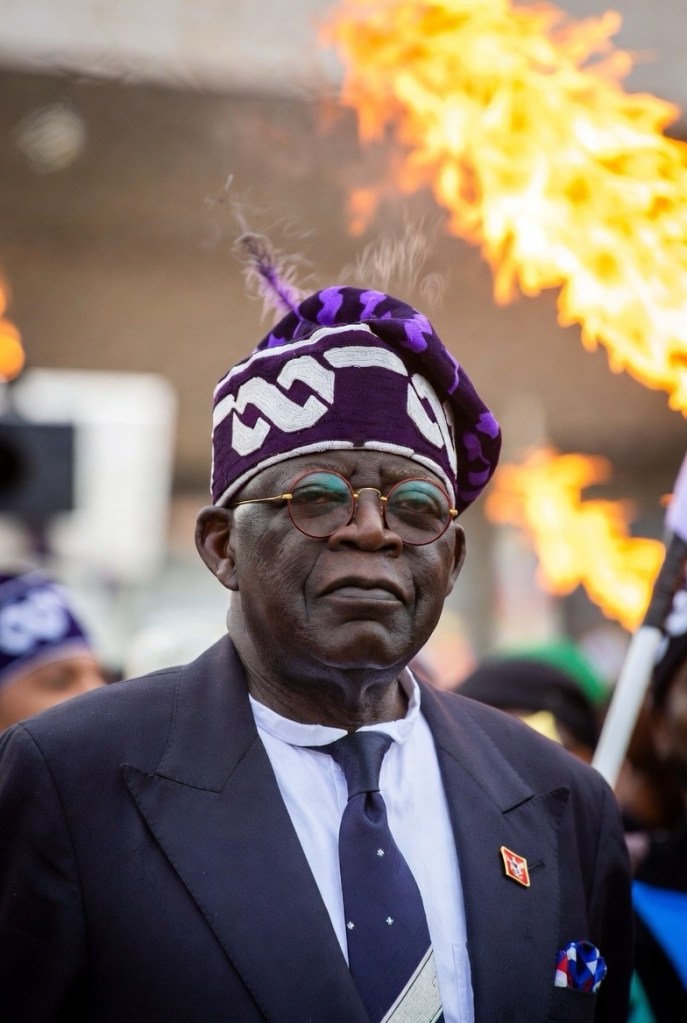
As if further evidence were needed that the Tinubu-led APC government is more invested in the calculus of politics than the concrete demands of governance, a recent high-profile delegation to Plateau State provided a masterclass in cynical opportunism. Under the solemn banner of peace, the government revealed a heart beating foremost for partisan gain.
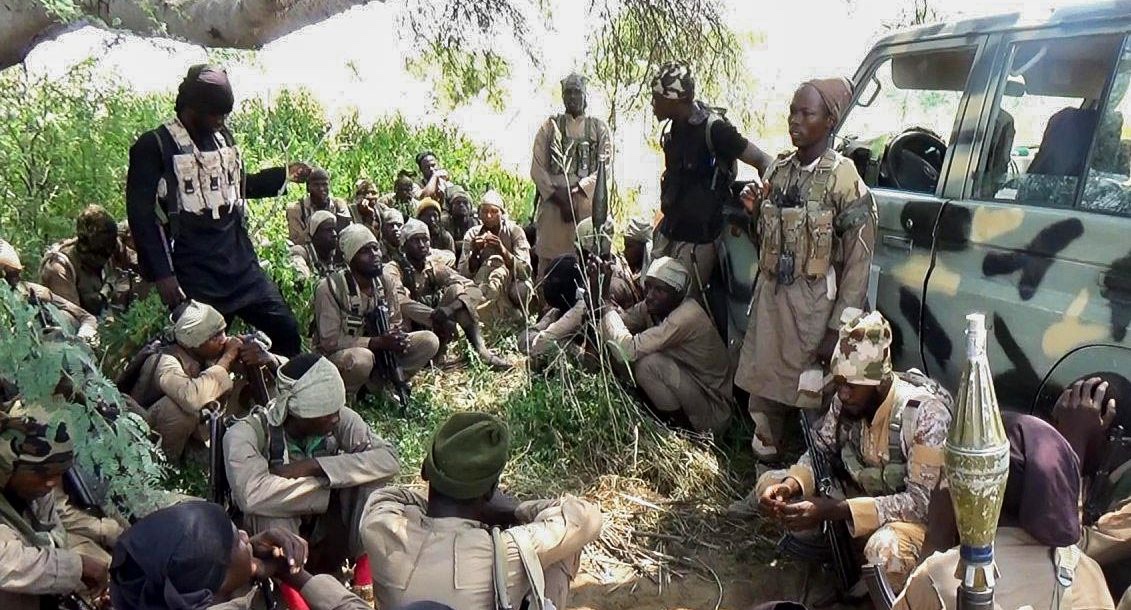
The headline, as reported in many outlets, was statesmanlike and reassuring: “Tinubu Sends High-Level Delegates to Plateau State in Furtherance of Peace.” It conjured images of sober leaders rolling up their sleeves to address the tragic and persistent cycle of violence that has plagued the state. The people of Plateau, weary from bloodshed and mourning, had a right to expect that the full attention of the federal government was being brought to bear on their security crisis.
But the details of the visit, which swiftly emerged, told a different, more deplorable story. The core mission of this “peace delegation” was not solely to condole with the bereaved or strategise on ending the killings. Its central purpose was to engage in high-stakes political horse-trading: to formally receive the state’s Governor, Caleb Mutfwang, a member of the Peoples Democratic Party (PDP), into the ranks of the ruling All Progressives Congress (APC).
This is not just a minor misstep; it is a profound failure of judgment and a blatant disrespect for the victims of violence. To intertwine a matter of life and death with the partisan project of party expansion is both deplorable and unwise.
The Diminishment of Human Suffering
When a government speaks of peace in a context of mass atrocities, the message must be singular, empathetic, and resolute. By using the cover of a “peace mission” to stage a political defection ceremony, the Tinubu administration profoundly diminished the gravity of the security situation. It sent a clear and disturbing message: that the political alignment of a sitting governor is of comparable, if not greater, importance than the security and lives of the citizens he governs.
The optics are damning. Imagine the scene: federal officials, ostensibly in the state to address a humanitarian crisis, are instead clinking glasses and shaking hands in celebration of a political coup. This elevation of party advantage in the midst of a security emergency makes a mockery of the suffering on the ground. It suggests that the political calculations in Abuja are detached from the grim realities in the villages of Plateau, where communities live in fear.
Security is an All-Party Affair
The most dangerous implication of this move is the suggestion that security is a partisan issue. Insecurity, especially of the complex nature seen in Plateau, is a national crisis that demands a national, all-hands-on-deck approach. It requires collaboration across party lines, drawing on the best ideas from all quarters. By treating the Plateau crisis as a backdrop for an APC recruitment drive, the government implicitly frames security as a territory to be won, rather than a common goal to be achieved.
This politicisation erodes the trust necessary for a unified response. It tells opposition governors and their constituents that their safety and cooperation are conditional on their political allegiance. This is a recipe for division and inertia at a time when unity and decisive action are paramount.
A Pattern of Priorities
This episode in Plateau is not an isolated incident. It fits a growing pattern where the machinery of state appears to be leveraged more for consolidating political power than for delivering effective governance. For a nation grappling with historic economic hardship and escalating violence in multiple regions, the priority should be tangible results—restored security, economic stability, and working social services.
The people of Plateau, and indeed all Nigerians, deserve leaders who meet a crisis with undivided focus and sincerity. They deserve a government that does not use the cloak of peace to conceal the hand of politics. The conversion of a governor from one party to another is a routine political activity, but to conduct it under the guise of addressing a security emergency is a betrayal of public trust.
It is a stark reminder that when politics becomes the primary business of government, the actual business of governance—protecting the people—is too often left undone.
 Centre for Nigeria Progress