

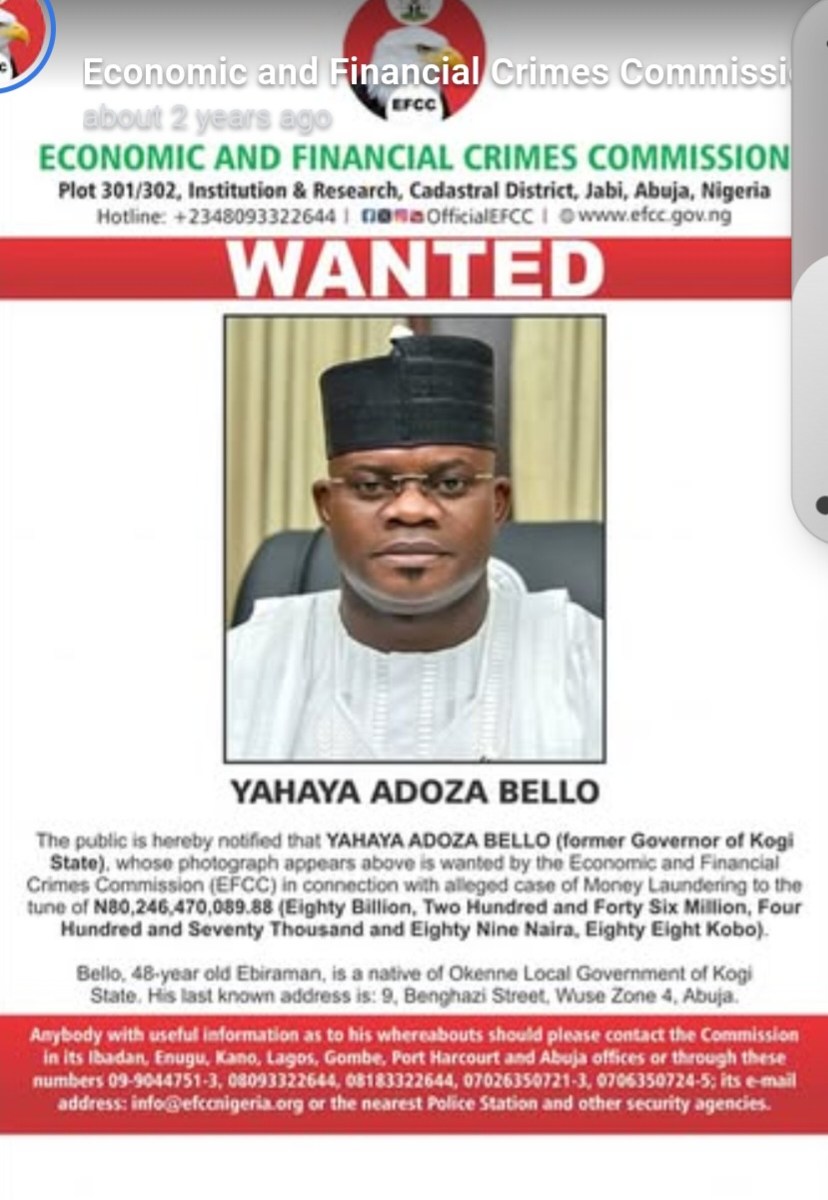

In a country where every politician walks free but none walk clean, the recent “wanted” poster for Timipre Sylva by the EFCC felt less like a law enforcement action and more like a comedy skit gone national. The EFCC must have run out of fresh faces to parade, so they reached back into the political archives and said, “You know what, let’s recycle Sylva—he still has name recognition.”
But let’s be honest: in Nigeria, everyone who has ever held office — from councillor to President — is merely an unindicted person. They’re not innocent; they’re just waiting for the timing of their arrest to align with their political irrelevance.
Former Sokoto State governor Aminu Tambuwal recently got his turn on the EFCC carousel for allegedly withdrawing suspicious sums in cash. But the EFCC’s interest in him only bloomed when his political usefulness wilted. Before then, Tambuwal could have withdrawn the Central Bank itself in Ghana-Must-Go bags, and nobody would have blinked.
It’s a simple equation: when you’re in power, EFCC serves you tea; when you’re out, they serve you a warrant.
Meanwhile, the likes of Nyesom Wike and other champions of “cash democracy” continue to roam free, untouchable and fully moisturised in power. Their fate depends not on the law but on their political GPS: as long as it points toward relevance, they’re safe. Once it reroutes to “opposition territory,” EFCC agents suddenly remember their home address.
Of course, none of these “indictments” ever go anywhere. Nigeria’s legal system is like a badly tuned generator — lots of noise, no current. Investigations fizzle out, witnesses develop “selective amnesia,” and files disappear faster than palliatives in a warehouse. The banks that facilitate these curious cash withdrawals? Untouchable. They’re the silent partners in the great national looting cooperative.
Let’s face it — Nigeria doesn’t have a civil service anymore. It has a civil circus. No rules, no guidelines, no oversight. Public funds are dispensed like communion wafers — freely, frequently, and without record.
In the end, Nigeria has achieved something remarkable: it’s the only country where corruption is a system, not a scandal. The politicians steal, the EFCC pretends to chase them, the public pretends to be shocked, and the banks pretend not to notice.
So, as Timipre Sylva’s face decorates the EFCC wanted list, one can only say: Congratulations, sir. You’ve finally joined the league of the formally unindicted.
In Nigeria, the only real crime is losing power before laundering your image. Everything else is just—business as usual.
 Centre for Nigeria Progress