


If Nigeria were a patient in the emergency ward, the vital signs would make the doctor faint before writing the report. Politically, economically, socially, spiritually and even astrologically, every indicator is screaming “Crisis! Crisis!! Crisis!!!” Yet the Nigerian government is behaving like the homeowner who sees the roof on fire but insists, “It’s not fire; it’s just the sun reflecting.”
At this point, even the fire brigade has stopped asking for fuel. The real question is: why has Nigeria not declared a state of emergency?
Economy: On Life Support, But Government Says “It’s Gym Pain”
Inflation is sprinting like Tobi Amusan with no intention of slowing down for doping tests. The naira is not just falling—at this stage it is skydiving without parachute, helmet, or next-of-kin notification. Food prices? Forget “three square meals”; Nigerians are now negotiating with destiny for one triangular snack a day.
Yet the government calls this “economic reform.” If this is reform, then hunger must be the national weight-loss strategy.
Politics: A Comedy Skit Without Punchline
Leadership is running Nigeria the way a WhatsApp group admin runs a group of stubborn members: plenty of threats, no real action. Elections are won at polling units only to be re-contested in court like bonus rounds of a video game. Promises are made with the confidence of a magician, but the only trick we see is how public funds disappear.
Any other country going through this would call for national dialogue. Nigeria? No — only more press conferences with big English and zero solutions.
Security: Citizens Now Sleep With One Eye Open
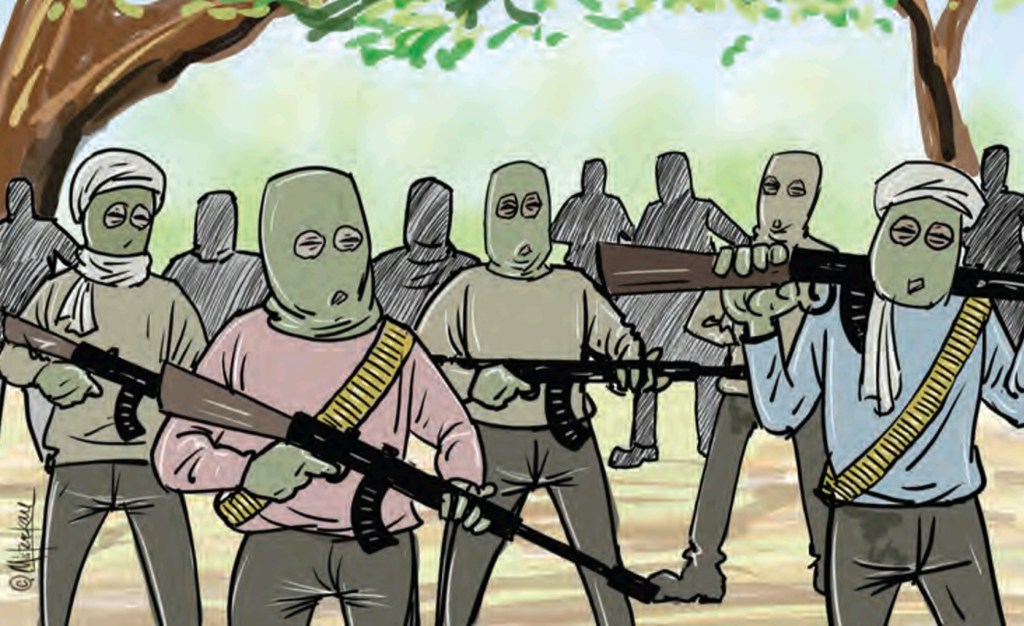
Between terrorists, bandits, kidnappers and unknown gunmen (who by now should be known after five years of PR), Nigerians treat daily movement like a security mission. People go to church with prayer points and return with testimonies like “God delivered me from pothole kidnappers on my street.”
But government security reports always end the same way: “Normalcy has returned.” To where? Which address? We need the postcode.
Human Development Index: Sitting Comfortably at the Bottom
If there was a global competition for “How NOT to treat your citizens”, Nigeria would bring home gold. Education is on sabbatical, healthcare is in coma, electricity is allergic to consistency, and poverty is now the most nationalized product—exporting itself through japa.
International organisations are shouting like neighbours hearing quarrel from your house. But Nigeria keeps responding from inside:
“We are fine o! It’s only small misunderstanding!”
Why No State of Emergency?
Because in Nigeria:
The government hates bad news—even when it is their own performance review. Declaring a state of emergency means doing actual work, and that can disturb political enjoyment. Leadership behaves like a student who failed exam but wants remarking instead of studying.
Time for National Reset – Not National Denial
Let’s be honest: Nigeria needs a national emergency more than politicians need media interviews.
A serious emergency declaration would mean:
Resetting the economy, not recycling speeches Security overhaul, not weekly condolences Governance, not government drama
But until then, Nigerians will continue surviving on vibes, prayers and that eternal Nigerian hope that “things will get better”—even when the evidence is doing press-up in the opposite direction.
If the government won’t declare a state of emergency, Nigerians may have to declare it themselves — at least on social media, where all our unofficial policies are passed.
 Centre for Nigeria Progress