

The Nigerian constitution, for all its perceived flaws, embodies a profound spirit: that of a federating pact, intended to decentralise power and anchor the political process in the will of the people, from the ground up. This foundational principle is most evident in the meticulous processes it outlines for the most significant acts of political engineering—the creation of states and local governments. Similarly, the internal constitutions of our political parties echo this bottom-up philosophy, mandating that membership and political ascent must commence from the ward level.
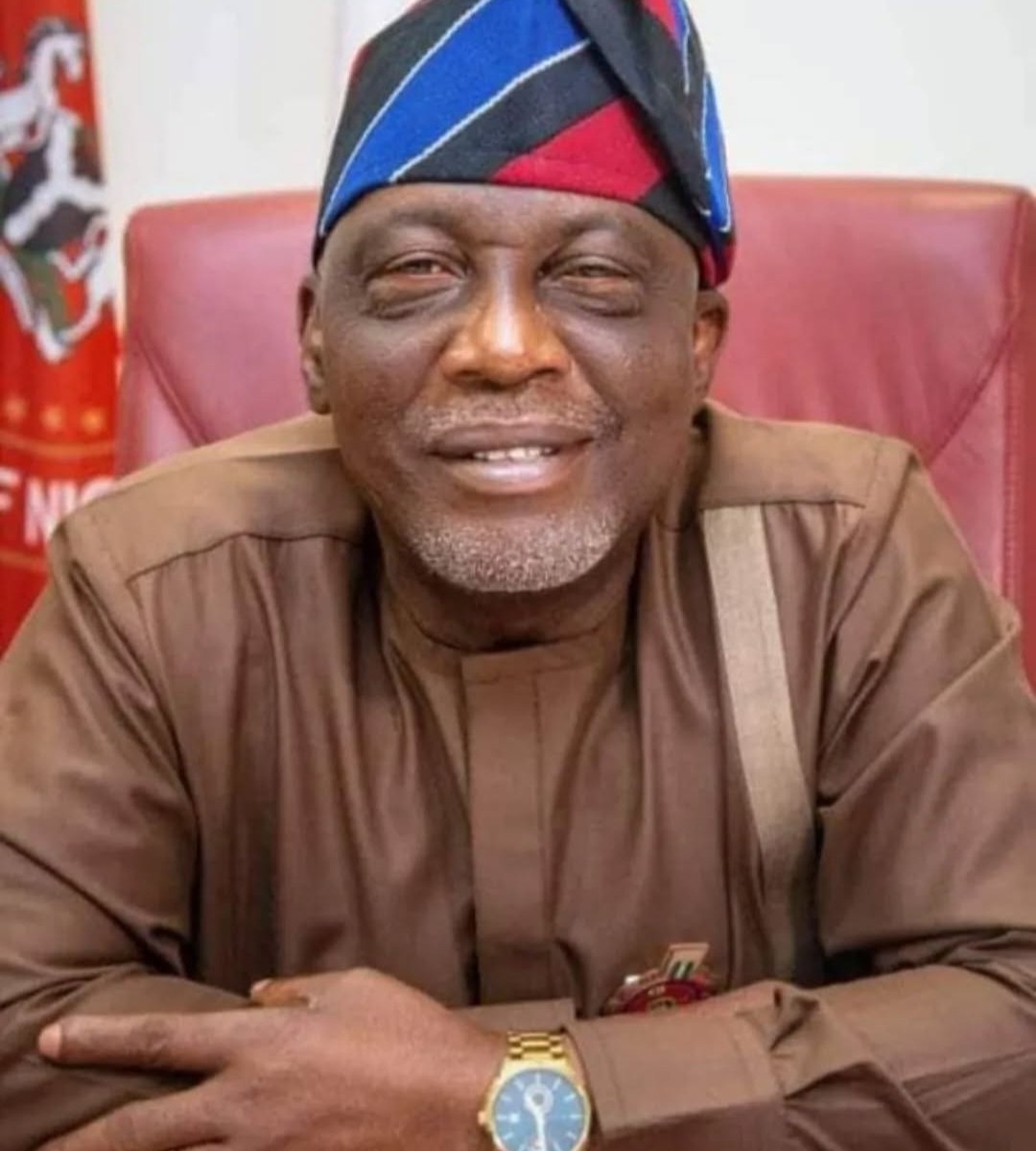
Yet, a disturbing and intellectually lazy spectacle continues to play out in our political arena, one that exposes a deep-seated incompetence among a crucial class of actors: our national legislators.
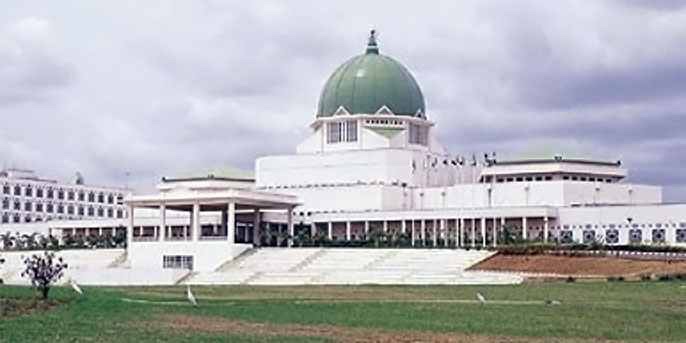
The blueprint for state creation is not a mystery. The 1999 Constitution of the Federal Republic of Nigeria (as amended) lays out a clear, multi-tiered process. It is designed to be organic, commencing with a direct expression of popular will from the local government areas in question. This proposal must then be supported by a majority of legislators in the state assemblies, before cascading upwards to the National Assembly, which must finally secure the approval of two-thirds of the state assemblies of the federation.
This is a process of rigorous consensus-building, demanding widespread buy-in across various levels of governance. It is the very antithesis of a top-down decree.
However, what we witness repeatedly is a tragicomic farce. Legislators, who swore an oath to uphold this same constitution, routinely bypass its core tenets. They assemble delegations, not to the grassroots of their constituencies to mobilise support, but to the corridors of power in Abuja. They draft memoranda and “requests” not for their state assemblies or the National Assembly in its legislative capacity, but for the President—the modern incarnation of the Head of State.
This act is more than a mere procedural error; it is a profound failure of intellect and duty. It is a behaviour learned not from the constitution they are meant to guard, but from the precedent of military regimes where a fiat from the Supreme Military Council or the General at the helm was all that was required. In seeking the creation of a state or local government from the “Center,” these lawmakers are unconsciously—or perhaps willingly—reverting to a colonial and militaristic mindset. They are treating the President as a modern-day emperor who can, with a stroke of the pen, alter the geopolitical landscape of the nation. This is a gross abdication of their role as legislators and a betrayal of the democratic spirit.
The incompetence here is twofold.
First, there is the failure of self-education. These individuals, many of whom are lawyers and seasoned politicians, have no excuse for not understanding the very laws they are paid to make and amend. Their ignorance is not blissful; it is destructive. It suggests that many seek office not for the diligent work of governance, but for the prestige and access to patronage. By failing to comprehend and adhere to the constitutional process, they reveal themselves as unqualified for the seats they occupy. They are like architects who do not understand the principles of load-bearing walls, dangerously tampering with the structural integrity of the state.
Second, and more grievous, is the failure to educate their people. A primary role of a legislator, especially in a developing democracy, is to be an educator and a bridge between the complex machinery of the state and the citizenry. Instead of explaining the constitutional process to their constituents, organising grassroots mobilisation, and guiding them through the legitimate path to self-determination, these lawmakers perpetuate a damaging fallacy. They lead their people on a fool’s errand to Abuja, creating the illusion of action while achieving nothing but photo-ops and wasted resources. They disempower their own people by teaching them to beg for their rights from a central authority, rather than empowering them to claim those rights through a defined democratic process.
This behaviour fosters a culture of dependency and centralism that the constitution explicitly seeks to dismantle. It concentrates even more power and attention in Abuja, weakening the very fabric of federalism. How can we hope to build strong states when our own representatives reinforce the idea that all power and solutions emanate from the center?
It is high time we called this what it is: legislative malpractice. The electorate must begin to hold these lawmakers accountable not just for the roads they fail to build, but for the constitutional principles they so casually disregard. We must demand representatives who are not just politically astute, but who are intellectually and morally committed to the rule of law. The journey to a true federation will remain a mirage as long as those entrusted with the map insist on following the discredited routes of a military past. Our lawmakers must choose: will they be champions of the constitution, or will they remain relics of the barracks, forever seeking favours from a phantom Head of State? The future of our federation depends on their answer.
 Centre for Nigeria Progress