

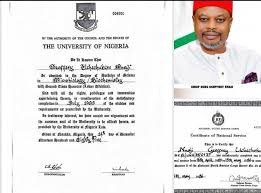

In Nigeria, a shadow industry thrives in plain sight. It operates from the dimly lit corners of cybercafés, the bustling stalls of roadside vendors, and the sleek interfaces of social media platforms. Its currency is not naira or dollar, but legitimacy itself. This is the epidemic of document falsification—a pervasive and alarming symptom of the deep-seated corruption that has corroded the very foundations of Nigerian society.
From the student desperate for a university admission to the job seeker vying for a competitive position, from the contractor bidding for a multi-million naira project to the traveller seeking a visa to foreign shores, the temptation to bypass due process through a forged document is a siren call many find difficult to resist. The most commonly forged items read like a checklist of a respectable life: WAEC certificates, university degrees, NYSC exemption letters, tax clearance certificates, police reports, and even birth certificates.
More Than a Crime: A Symptom of Systemic Failure
To dismiss this phenomenon as mere criminality is to miss the point entirely. Widespread document forgery is not the cause of Nigeria’s troubles, but a profound symptom of a society grappling with systemic breakdown.
1. The Collapse of Meritocracy: When hard work, talent, and genuine qualification are repeatedly sidelined in favour of “connections” (man-know-man) and financial inducement, faith in the system evaporates. The young graduate who sees a less-qualified individual with a forged certificate secure a coveted job learns a devastating lesson: merit doesn’t pay; fraud does. This erodes the incentive for genuine effort and creates a vicious cycle where forgery becomes a rational, if immoral, strategy for survival and advancement.
2. A Failing Education System: The intense pressure for university admission in the face of limited spaces, coupled with the proliferation of sub-standard institutions, creates a fertile ground for fraud. Students who feel the system has failed them may see forgery as their only ticket to opportunity. Furthermore, the desperation to obtain a passing grade in the WAEC/NECO examinations drives many to engage “miracle centres” where results are guaranteed—a form of institutionalised forgery in itself.
3. Bureaucratic Bottlenecks and Corruption: The very institutions designed to issue authentic documents are often the biggest enablers of forgery. When obtaining a genuine police report, tax clearance, or even a birth certificate involves endless delays, opaque processes, and demands for bribes, the appeal of the fast, efficient, and often cheaper forger becomes undeniable. The state, in effect, prices its own legitimacy out of the market.
The Corrosive Impact on Society
The consequences of this epidemic are far-reaching and devastating.
· Incompetence in Critical Sectors: When doctors, engineers, and pilots secure their qualifications with forged certificates, public safety is held hostage. This infiltration of unqualified personnel into critical sectors undermines service delivery and erodes public trust.
· Economic Stagnation: Both local and foreign investors are wary of an environment where credentials cannot be trusted. Due diligence becomes a nightmare, and the risk of partnering with or employing fraudulent entities stifles economic growth and development.
· The Devaluation of Genuine Achievement: For the countless Nigerians who have toiled honestly for their qualifications, the proliferation of forgeries is a deep insult. It devalues their hard work and creates a climate of cynicism where every certificate is viewed with suspicion.
· A National Identity Crisis: When a country’s documents, the very papers that define the identity and qualifications of its citizens, are not trusted, it suffers a crisis of legitimacy on the global stage. It fuels negative stereotypes and makes life harder for the vast majority of honest Nigerians abroad.
The Way Forward: Beyond Enforcement
Combating this epidemic requires a multi-pronged approach that goes beyond simply arresting roadside forgers.
1. Digital Fortification: A nationwide push for digital, verifiable credentials is crucial. The integration of QR codes, secure databases, and blockchain technology for certificates from WAEC, JAMB, universities, and NYSC would make verification instant and forgery nearly impossible.
2. Strengthening Institutions: Streamlining bureaucratic processes, reducing red tape, and punishing corruption within government agencies will restore public faith in official channels. When genuine documents are easier to get than fake ones, the market for forgeries will shrink.
3. A Cultural Reorientation: A concerted national campaign is needed to re-instill the values of integrity and hard work. Religious and community leaders, the media, and the education system must partner to champion honesty and shame fraud.
4. Creating Real Opportunity: Ultimately, the government must address the root cause: a lack of opportunity. By fixing the education system, growing the economy to create jobs, and ensuring a fair and merit-based system, the desperation that fuels document fraud can be alleviated.
The forged certificate is more than just a piece of paper; it is a metaphor for a nation struggling with its own identity. To cure this epidemic, Nigeria must embark on the difficult but essential work of rebuilding trust, reinforcing its institutions, and restoring the value of truth. The future of the nation depends not on the documents its citizens hold, but on the integrity they embody.
 Centre for Nigeria Progress