


When a governor declares “I’m loyal to Yahaya Bello for life,” we must ask: to whom is he primarily accountable – his political godfather or the citizens who elected him?
In the complex tapestry of Nigerian politics, a troubling pattern has emerged across multiple states: governors installed by political godfathers who struggle to exercise genuine control over their administrations. From Kogi to Rivers and Edo, the phenomenon of “puppet governors” has reshaped governance dynamics, often with detrimental effects on democratic accountability and development.
The evidence suggests that when governors owe their positions primarily to powerful political patrons rather than to an unmediated mandate from the people, the very foundations of democratic governance begin to crumble.
The Loyalty Oath: Kogi State’s Ahmed Ododo
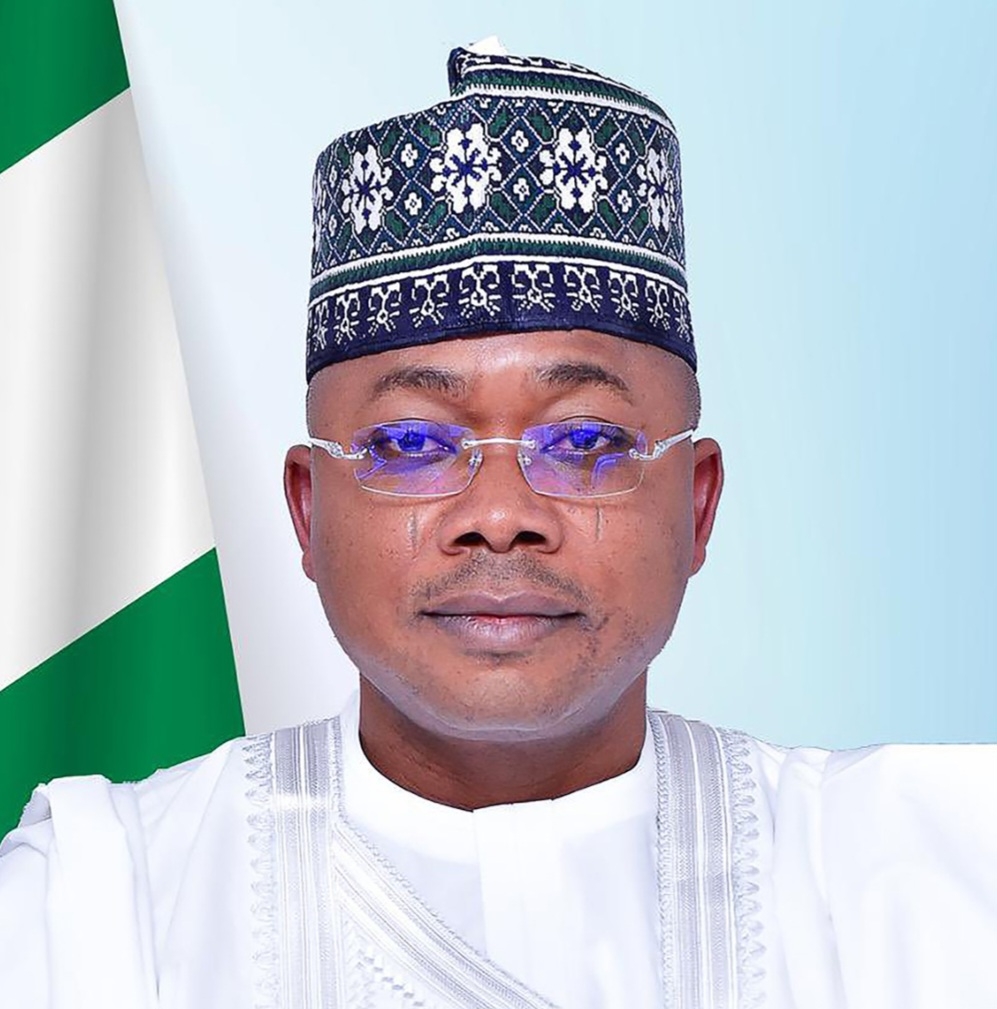
In Kogi State, Governor Ahmed Ododo has been remarkably transparent about his political allegiances. In June 2025, he publicly declared: “I’m loyal to Yahaya Bello for life”, referring to his predecessor and political godfather. His statement continued with an evocative metaphor: “Any river that forgets its source will soon dry up”, making clear that he views his loyalty to Bello as essential to his political survival.
This profound declaration raises fundamental questions about gubernatorial priorities. When a governor pledges lifelong loyalty to an individual rather than to constitutional principles or the electorate, where does his primary allegiance lie? Ododo’s position is particularly noteworthy because he succeeded Bello directly, suggesting a deliberate continuation of the political dynasty rather than an independent administration.
Ododo has further solidified this relationship by stating: “If he gets angry with me as a father… please just go and plead with him on my behalf”, framing the relationship in filial terms that transcend typical political alliances. While such loyalty might be personally commendable, in a democratic context it raises concerns about whose interests truly guide state governance.
The Suspended Governor: Rivers State’s Siminalayi Fubara
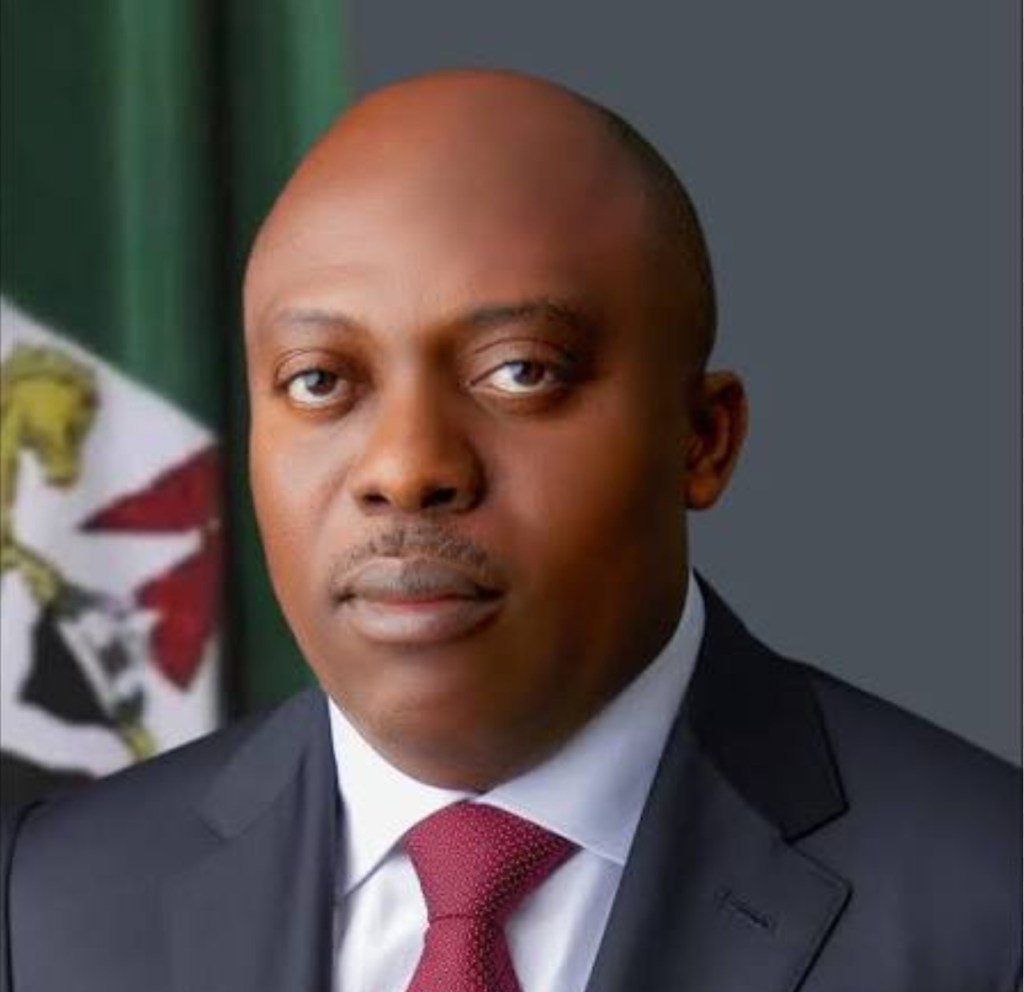
The case of Rivers State presents perhaps the most dramatic example of godfather-godson conflict in recent Nigerian politics. Siminalayi Fubara, elected governor in May 2023 with the backing of his predecessor Nyesom Wike, found himself embroiled in “a reported feud rooted in power struggles” with his political godfather shortly after taking office.
This conflict reached its climax on March 18, 2025, when President Bola Tinubu suspended Fubara, his deputy, and the entire Rivers State House of Assembly, declaring a state of emergency. The suspension followed months of political turmoil that paralyzed governance in the oil-rich state.
Key elements of the Rivers crisis include:
· Legislative Division: The Rivers State House of Assembly split into two factions – one loyal to Fubara led by Victor Oko-Jumbo, and another loyal to Wike led by Martins Amaewhule
· Federal Intervention: Despite a December 2023 meeting where President Tinubu asked Fubara to recognize the Wike-loyal assembly, the crisis continued to escalate
· Suspension and Reinstatement: Fubara was suspended for six months before being reinstated on September 18, 2025, but the period created significant governance disruptions
The conflict had tangible development consequences, including the alleged suspension of the ₦195 billion Port Harcourt Ring Road project for over a year before being restarted. This illustrates how political battles between godfathers and their protégés directly impact critical infrastructure and public services.
The Elected Protégé: Edo State’s Monday Okpebholo
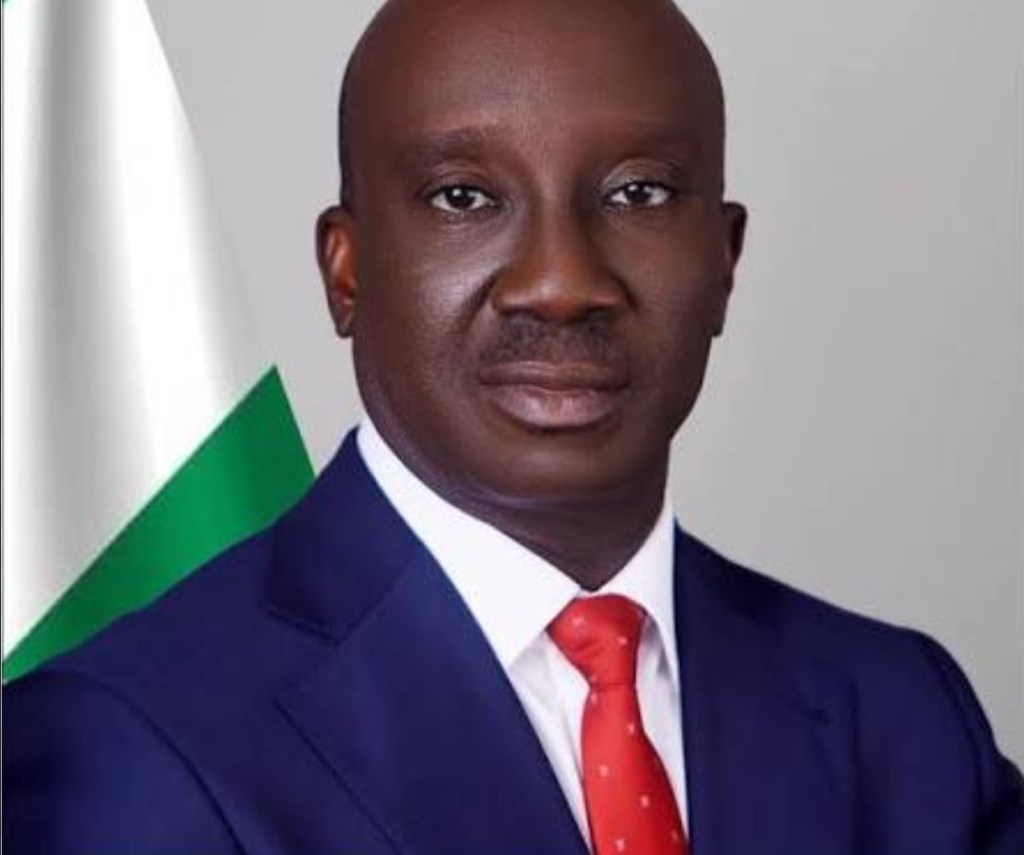
Edo State presents a different but related dynamic. Monday Okpebholo, who assumed office as governor on November 12, 2024, represents the ruling APC’s victory in what was described as “its first big electoral test since Bola Tinubu became president”. While less openly dramatic than the Rivers State confrontation, Okpebholo’s ascent followed allegations of “falsifying his date of birth” on official documents.
Political analysts noted that violence during the election “prevented some people from voting”, raising questions about the integrity of the electoral process that brought him to power. Additionally, election monitors “accused both the PDP and APC of vote-buying” and noted intimidation of election officials.
What’s particularly noteworthy is that Okpebholo now enjoys “immunity from prosecution” for the alleged falsification case due to his gubernatorial status. This creates a concerning precedent where candidates potentially benefit from irregularities that are then shielded from scrutiny once they attain office.
Patterns and Consequences of Political Godfatherism
The Destabilizing Cycle of Control
The phenomenon of political godfatherism in Nigeria follows a recognizable pattern that transcends individual states:
· Installation Phase: A powerful political figure sponsors a protégé’s candidacy, often through questionable primary processes
· Honeymoon Period: Initial cooperation with the understanding that the godfather retains significant influence
· Conflict Emergence: The governor seeks autonomy while the godfather demands continued control
· Crisis Point: Open confrontation that often paralyzes governance and development
This pattern echoes historical precedents like the 2003 crisis in Anambra State, where Governor Chris Ngige faced abduction and impeachment attempts allegedly orchestrated by his godfather, Chris Uba.
Constitutional Ambiguities and Democratic Erosion
Nigeria’s constitutional framework contains provisions that enable rather than prevent these crises. Section 305, which grants presidential emergency powers, “lacks clear thresholds”, allowing for potentially politically motivated interventions like Fubara’s suspension. Similarly, “the subjective definition of misconduct” in impeachment provisions enables state assemblies to target governors for political rather than substantive reasons.
Impact on Grassroots Governance
The consequences extend beyond state-level politics to local governance structures. In Rivers State, the Supreme Court’s February 2025 ruling not only affirmed the Wike-loyal assembly but also “barred funds to Rivers while stalling local government allocations”. When local governments become “mere bargaining chips” in state-level power struggles, grassroots development suffers and democratic accountability diminishes.
Pathways to Reform
Breaking this cycle requires multifaceted interventions:
· Constitutional Clarification: Clearer definitions of emergency powers and impeachment procedures to prevent arbitrary interventions
· Internal Party Democracy: Transparent candidate selection processes that reduce godfather control over nominations
· Strengthened Institutions: Independent electoral and judicial bodies capable of resisting political pressure
· Civic Engagement: Increased citizen awareness and participation to demand accountability beyond political loyalties
As one commentator noted regarding the Rivers crisis, Fubara had essentially two options: “either he builds a solid political strategy that genuinely delivers results and wins public trust, or he risks being outmaneuvered” by political forces seeking to remove him. This dilemma faces all governors installed by godfathers – they must either assert independence at great political risk or remain subordinate to external interests.
Conclusion: Restoring Democratic Accountability
The examples of Ododo, Fubara, and Okpebholo illustrate varying manifestations of Nigeria’s godfatherism challenge. What unites them is the fundamental tension between owing one’s position to a powerful patron versus deriving legitimacy from the electorate. When governors declare lifelong loyalty to individuals rather than constitutional principles, democracy suffers.
As Nigeria continues its democratic journey, addressing this systemic challenge is crucial. The suspension of an elected governor, the public declaration of eternal loyalty to a predecessor, and allegations surrounding electoral processes all point to a system where power often flows through personal networks rather than democratic institutions.
The path forward requires strengthening institutional safeguards, promoting genuine internal party democracy, and fostering a political culture where elected officials prioritize public service over personal allegiances. Until then, the phenomenon of puppet governors will continue to undermine Nigeria’s democratic development and the welfare of its citizens.
 Centre for Nigeria Progress