

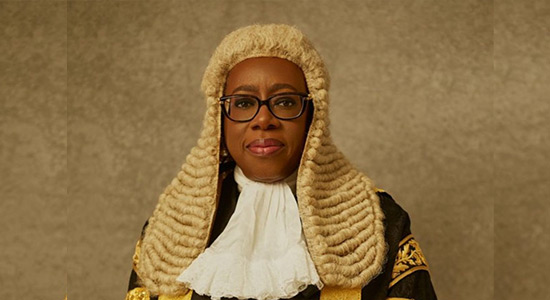
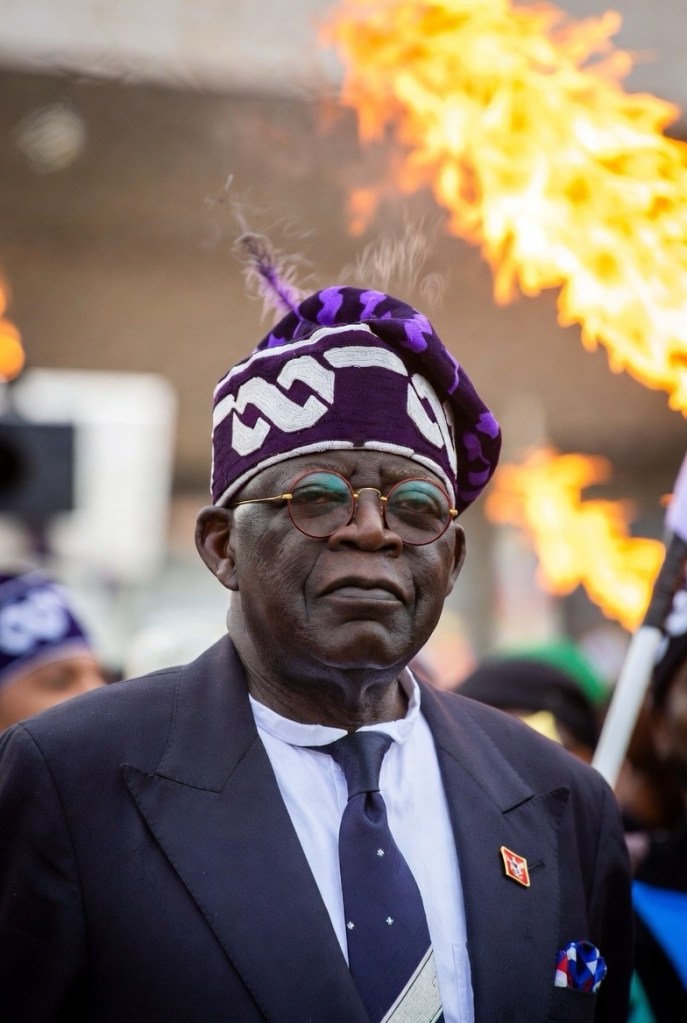
Once again, Nigeria’s Supreme Court has spoken—solemnly, authoritatively, and with the confidence of a referee who has blown the whistle after the players have gone home.
In its latest pronouncement, the court has held that the President of Nigeria possesses constitutional powers to declare a state of emergency and, flowing from that, remove elected officials. Full stop. Gavel down. End of story.
Except, of course, that was not the story Nigerians were asking the court to tell.
This judgment is a classic example of what has now become a respected Nigerian judicial tradition: answering the question not asked, while carefully avoiding the questions that actually matter.
The Question the Court Loved
Yes, Section 305 of the Constitution gives the President the power to declare a state of emergency. Nobody—except perhaps a few overzealous Twitter lawyers and retired WhatsApp professors—was seriously disputing that. It is black-letter constitutional law. Even first-year law students, still traumatised by Legal Methods, know this much.
So when the Supreme Court thundered that the President has such power, Nigerians collectively nodded and said:
“Okay… and?”
The Questions the Court Ignored
The real issues before the court were twin and inseparable:
1. Were there sufficient grounds—qualitatively and objectively—for declaring the emergency in the first place?
2. Was the proper constitutional process followed, particularly the role of the Senate in authorising that declaration?
These are not minor procedural footnotes. They are the heart of constitutional democracy. Emergency powers are not a blank cheque; they are meant to be used sparingly, reluctantly, and under strict legislative supervision. Otherwise, they stop being “emergency powers” and start looking suspiciously like executive convenience.
But on these questions, the Supreme Court developed a sudden case of judicial shyness.
Emergency Powers or Emergency Excuses?
The Constitution does not say a President can wake up on the wrong side of the bed, feel politically inconvenienced, and declare an emergency before breakfast. There must be grave circumstances—breakdown of law and order, threats to national security, or situations so dire that normal governance has collapsed.
The court was expected to interrogate whether such conditions actually existed. Not hypothetically. Not in theory. But in fact.
Instead, what Nigerians got was a broad, abstract lecture on presidential powers—constitutional TED Talk style—without any meaningful engagement with whether those powers were properly triggered.
The Senate: Rubber Stamp or Constitutional Gatekeeper?
Then there is the small matter of the Senate. The Constitution clearly envisages legislative oversight as a safeguard against executive excess. An emergency proclamation is not meant to be a solo performance; it requires democratic endorsement.
Did the Senate properly authorise the declaration?
Was there a valid resolution?
Were constitutional thresholds met?
Or was this another case of “aye” voices winning before anyone finished clearing their throat?
On these issues, the judgment is either silent or politely evasive—like a witness who suddenly remembers another appointment.
Missing Opportunities, Expertly
The Nigerian Supreme Court has, over the years, earned a reputation for never missing an opportunity to miss an opportunity—especially when it comes to developing robust constitutional jurisprudence.
This was a golden moment to define:
The limits of emergency powers
The standards for judicial review of presidential discretion
The real meaning of legislative authorisation
Instead, the court chose the safer path: affirm power, avoid scrutiny, and leave Nigerians with more questions than answers.
Final Thoughts
In a constitutional democracy, courts are not cheerleaders for power; they are its referees. When referees stop calling fouls and only remind us that the striker is allowed to kick the ball, the game quickly becomes unfair.
By answering a question nobody asked and dodging the ones that truly mattered, the Supreme Court has once again retreated from its role as the guardian of constitutional limits.
And Nigerians are left wondering—not for the first time—whether emergency powers are being interpreted as exceptional tools for rare crises, or just another shortcut in a system already addicted to shortcuts.
As always, the Constitution remains eloquent on paper.
It is the interpretation that keeps disappointing.
 Centre for Nigeria Progress