

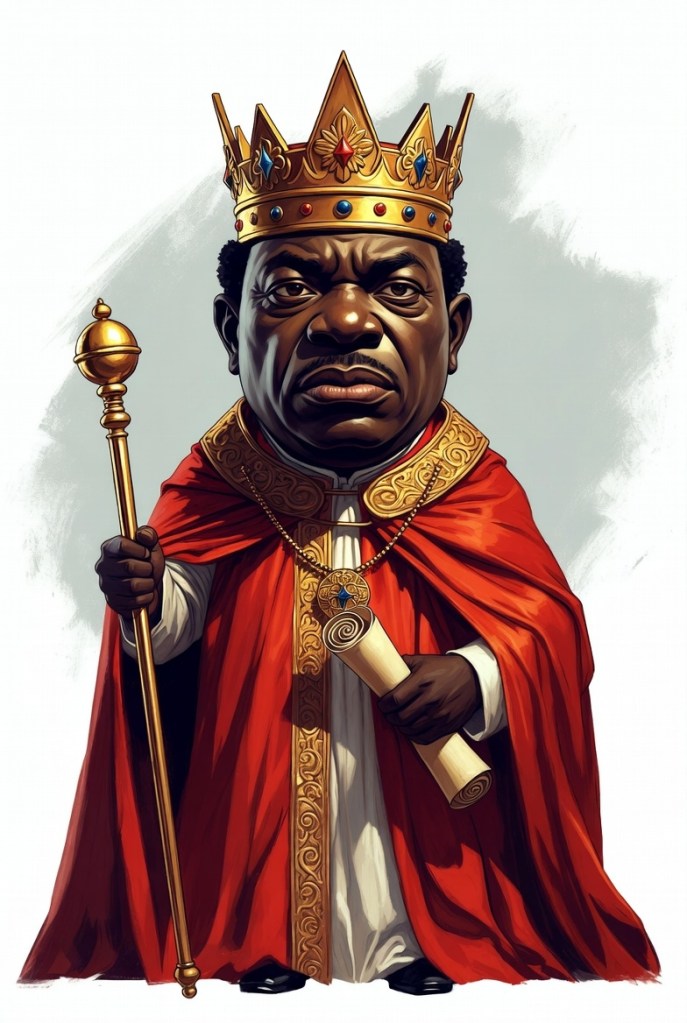
The Nigerian Senate is, on paper, the oversight body for the Federal Capital Territory. In reality, it is more like a concerned neighbour who hears loud noises next door, peeps through the curtains once, shrugs, and goes back to watching Netflix. The minister of the FCT, Mr Nyesom Wike, has therefore been left to roam Abuja like an unregulated overlord—equal parts emperor, landlord, and town crier with a bulldozer.
The Senate never misses an opportunity to miss its primary duty. When serious questions arise about the governance of the FCT, our distinguished senators suddenly develop procedural allergies. “Order 43 subsection 7 paragraph b,” someone shouts, and just like that, oversight is adjourned till the Second Coming. Yesterday was another masterclass: instead of overseeing anything, the Senate oversaw procedure. The result? Nothing happened. Again.
Small wonder Wike now behaves like he is the law, the constitution, and the interpretation section all rolled into one. He doesn’t even bother acknowledging the senator representing the FCT. Why should he? In Abuja politics, the senator is ceremonial—like the spare tyre in a Nigerian car: constitutionally required but rarely used.
This comedy of abdication is not limited to the FCT. Across the states, Houses of Assembly have perfected the art of legislative yoga—permanently bent in submission to their governors. The constitution says they are meant to check executive excesses. Nigerian reality says they are meant to clap, approve, and occasionally sing praises.
Governors now behave as if the state treasury is their personal wallet—minus the PIN, because nobody asks questions anyway. Ironically, it is the assemblies that are constitutionally entitled to control the purse strings. But in Nigeria, the purse has hands, and those hands belong firmly to the governor. Assemblies just admire the purse from afar.
Major projects are announced with fanfare, contracts awarded with speed, and debts accumulated with enthusiasm. Legacy projects are thrust upon states like unwanted family heirlooms—expensive, useless, and impossible to explain to the next generation. The people, of course, see no benefits, but they are told to be patient. Democracy, they say, is loading.
At the federal level, the situation is not better; it is simply more expensive. The president bought a plane without approval, and the National Assembly responded with what can only be described as legislative silence. No hearings. No outrage. Not even performative anger. In saner climes, this would trigger debates, investigations, and possibly resignations. In Nigeria, it triggered… vibes.
There is little or no oversight of the executive branch. Even when the legislature is fully compliant, the executive doesn’t bother with cosmetic obedience. In other democracies, leaders at least pretend to respect oversight—submit documents late, answer questions vaguely, apologise theatrically. In Nigeria, even that courtesy is unnecessary. Why pretend when nobody is watching?
And so, Nigeria runs a unique system of governance: democracy without dividends, oversight without sight, and checks and balances without the checking or the balancing. Everyone knows their role. The executive governs. The legislature observes procedure. And the people observe suffering.
At this point, one must ask: is oversight in Nigeria a constitutional duty or a myth—like fuel subsidy savings, stable electricity, or roads that survive one rainy season? Until our legislators remove the blindfold and remember why they were elected, ministers and governors will continue to rule like emperors, and democracy will remain a spectator sport.
In Nigeria, power is unchecked, oversight is optional, and accountability is purely theoretical—best discussed at conferences, never practised in government.
 Centre for Nigeria Progress