

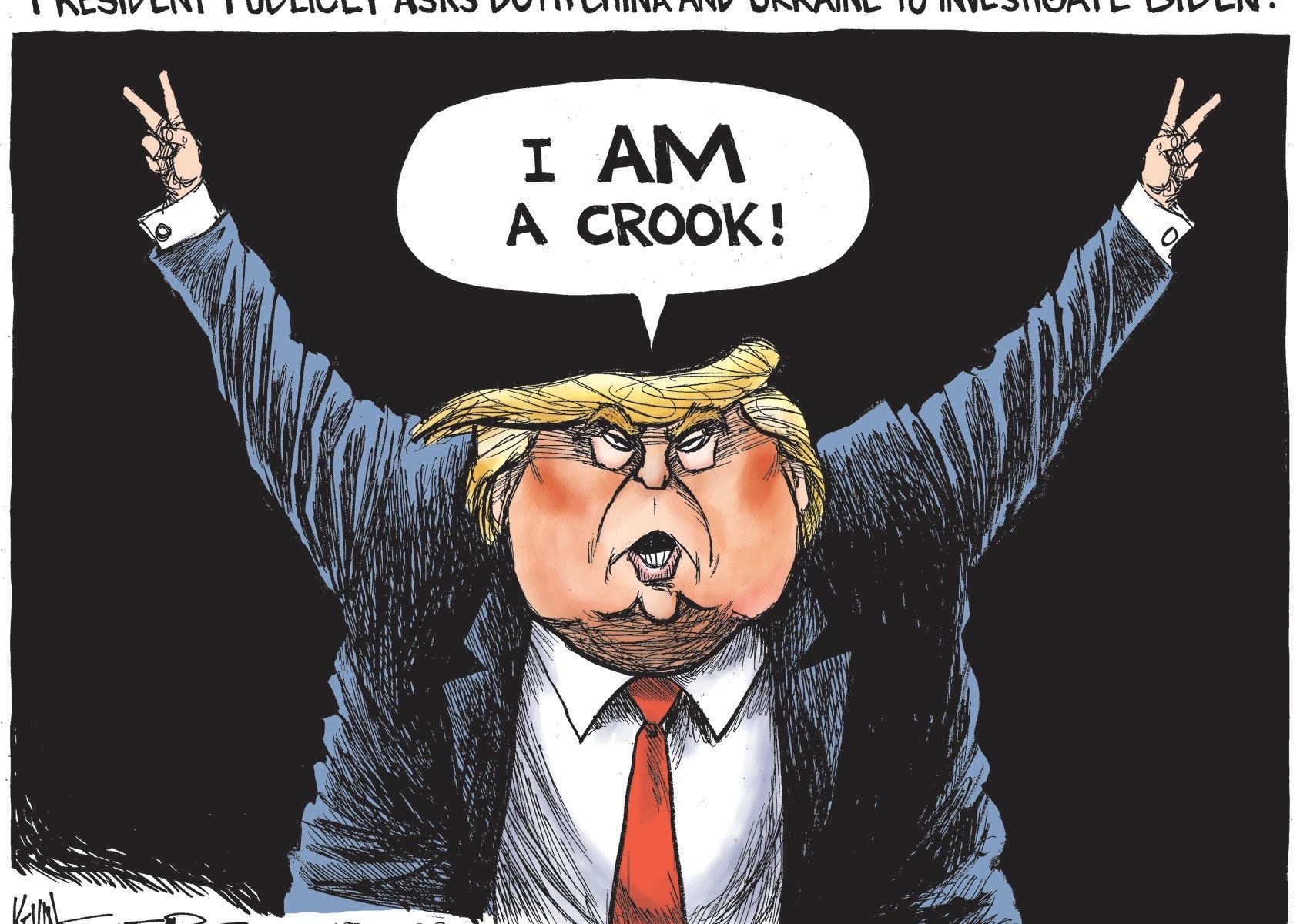

The American system is a fortress of parchment and principle, its walls the separation of powers, its foundation the rule of law. For centuries, its stability has relied on a dual defense: the external guardrails of institutional checks and balances, and the internal guardrail of presidential character. The latter—encompassing integrity, empathy, humility, and respect for the office and its citizens—is the indispensable mortar holding the fortress together. When it crumbles, the walls are left vulnerable to assault from within.
The presidency of Donald Trump serves as the definitive case study of this collapse. The breach of constitutional norms during his tenure was not a coincidental byproduct of political turbulence; it was the direct, predictable consequence of a profound deficit in personal character. This deficit—manifesting as a lack of empathy, systemic corruption, profound self-delusion, and a fundamental lack of respect for others—acted as the corrosive agent that weakened every external safeguard.
The Internal Vacuum: A Taxonomy of a Failed Guardrail
Trump’s character created a leadership vacuum where constitutional restraint could not take root.
· The Lack of Empathy and Respect for Others: Governance requires an understanding of the diverse populace one serves. Trump’s well-documented inability to empathize, coupled with his habitual disparagement of opponents, minorities, institutions, and even allies, transformed politics from a contest of ideas into a personalistic conflict. This created a permission structure where norms of civility and institutional respect were not just broken but openly mocked. When you view fellow citizens, a free press, or federal judges as “enemies,” the constitutional duty to serve all people becomes impossible.
· The Corruption of the Public Trust: Corruption is not merely illegal bribery; it is the subordination of the public good to private interest. Trump’s presidency was permeated by this ethos: the refusal to divest from his business empire, the promotion of his properties as official venues, the steering of government spending to his resorts, and the apparent leveraging of foreign policy for personal political gain. This pattern signaled that the office could be used as an instrument of self-enrichment, directly corrupting the constitutional principle that a president must serve the nation, not himself.
· The Kingdom of Self-Delusion: Perhaps the most dangerous trait was a demonstrable divorce from objective reality—a self-delusion that placed personal belief above fact, evidence, and lawful process. This was not simple political spin. It was the relentless propagation of demonstrable falsehoods, from crowd sizes to the integrity of elections. When a president’s “alternative facts” clash with the findings of his own intelligence agencies, courts, and electoral officials, the very basis for accountable governance—a shared reality—disintegrates. The constitutional order cannot function if the chief executive operates in a separate, unmoored realm of truth.
How Character Corroded the Constitution: The External Breach
This internal vacuum did not remain contained. It actively polluted and breached each external guardrail.
· The Judiciary as an “Enemy”: A president respectful of the separation of powers accepts judicial rulings, even unfavorable ones, as the final word of a co-equal branch. Trump, lacking this respect, systematically attacked the judiciary’s legitimacy—labeling judges “so-called,” implying a Mexican-American juror could not be impartial, and condemning rulings as “a disgrace.” This was not criticism; it was an assault on the branch designed to be the ultimate check on executive overreach.
· Congress: From Co-Equal Branch to Subordinate “Obstruction”: The character traits of disrespect and self-delusion redefined the executive-legislative relationship. Oversight inquiries were not answered but stonewalled and denounced as “witch hunts.” Lawful subpoenas were uniformly ignored, leading to an unprecedented pattern of contempt. The Republican-led Senate’s acquittal in his impeachment trials, despite evidence, demonstrated how a leader’s demand for loyalty could override a legislature’s constitutional duty to provide a check.
· The Executive: Weaponizing the Bureaucracy: Within his own branch, Trump’s lack of respect for expertise and his demand for personal loyalty led to a purge of nonpartisan professionals. Inspectors General were fired for doing their jobs. Science was sidelined. The Justice Department was publicly pressured to prosecute his enemies and protect his allies, shattering its traditional independence. The constitutional principle of a neutral, professional executive was replaced by a framework of personal fealty.
· The Ultimate Breach: The Assault on Democratic Legitimacy: All these threads converged on January 6, 2021. Fueled by months of self-delusional claims of a “stolen election”—claims rejected by dozens of courts, his own administration’s officials, and state election authorities—Trump directly incited a mob to disrupt the constitutional transfer of power. This was not a policy dispute; it was the catastrophic endpoint of a presidency untethered from truth, empathy for the democratic process, or respect for the will of the voters.
Conclusion: The Indispensable Safeguard
The American system proved robust enough to withstand a single term of this pressure. Courts ruled against him. Officials in key states certified lawful results. Congress ultimately certified the election. But to mistake this resilience for invulnerability is a fatal error.
The Trump presidency proves, unequivocally, that the most brilliantly designed external guardrails are porous to a leader who lacks the internal compass of character. Empathy, integrity, respect, and a commitment to reality are not soft virtues; they are the essential operating principles without which the constitutional order cannot function. They are the guardrail within. When they are absent, the rush toward breakdown is not just assured—it is already underway, leaving a republic to repair not just its policies, but its very soul.
These character deficits compared to historical precedents cannot bear further analysis.
 Centre for Nigeria Progress