

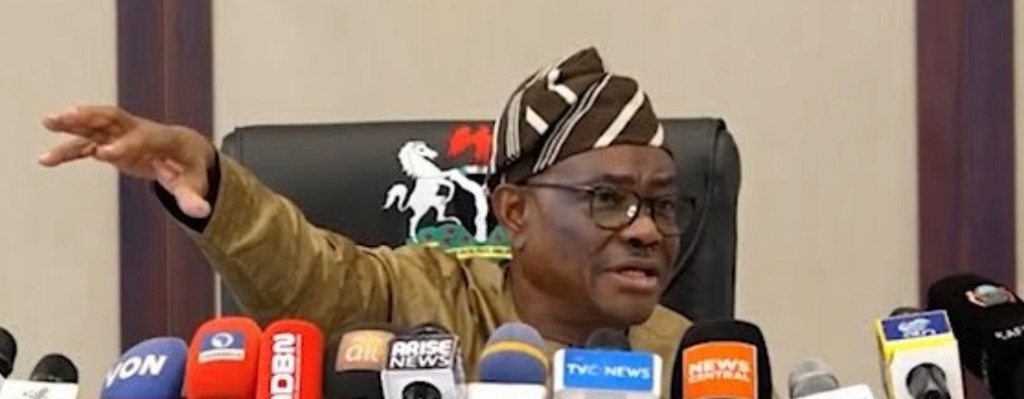
There is a particular restlessness that defines the political career of Nyesom Wike, the Minister of the Federal Capital Territory. It prompts a question, purely as an intellectual exercise: how does a man so perpetually in motion ever find rest? Upon examining his conduct—with the patience one reserves for studying a curious but dangerous creature—a conclusion emerges. What troubles him is not mere opposition, betrayal, or ambition. It is something more fundamental: an addiction to control.
Wike governed Rivers State for eight uninterrupted years. Eight. He administered public funds with the intimate familiarity of a man spending his own inheritance. His predecessor, Chibuike Amaechi, governed, bowed to the constraints of time, and exited the stage as all institutional men must. Wike’s reward for his tenure, often marked by excess, was not censure but promotion. A prestigious ministerial seat followed. And now, fate, in its ironic generosity, has installed him in Abuja as the overseer of the nation’s capital.
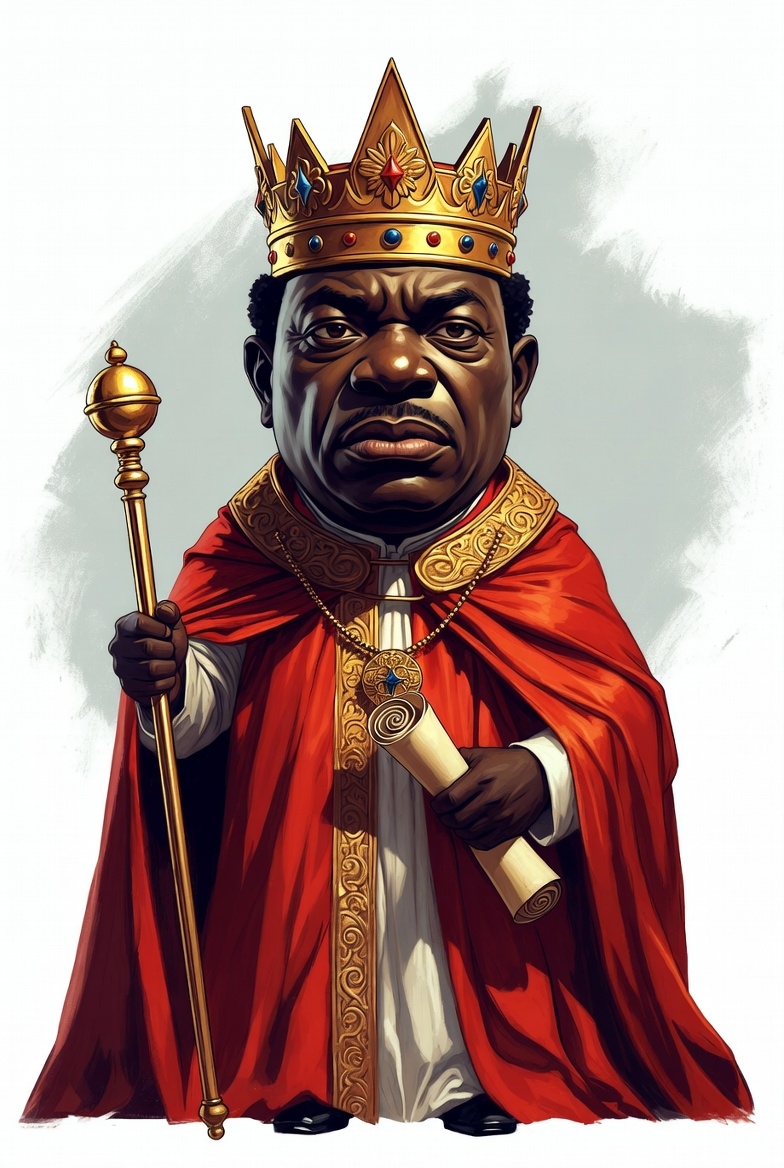
One would assume such a trajectory would satisfy a lesser ego. But herein lies the tragedy: power, when overstayed, curdles into delusion. The minister has since crowned himself a political deity in his home state, demanding loyalty beyond reason, obedience beyond the law, and worship beyond decency. Operating on the novel theory that political assistance grants perpetual ownership, he now openly attempts to govern Rivers State through proxy, brazenly undermining the constitutional authority of the sitting Governor, Siminalayi Fubara.
It is a fascinating doctrine. One wonders, was this principle of eternal fealty presented to Wike when he rose from Local Government Chairman? Or did he, like every other mortal in politics, ascend through a complex web of alliances, accrued debts, and benefactors—many of whom have since been conveniently forgotten in his own narrative of self-made dominance?
The performance grows more extraordinary by the day. He parades as a loyal son of the People’s Democratic Party (PDP) while simultaneously dictating the internal affairs of the All Progressives Congress (APC) in Rivers State. All the while, he is widely understood to nurse vice-presidential ambitions. One man, in every party. One appetite, at all tables. It is a spectacle of political gluttony that history has witnessed before, and one that rarely, if ever, ends well.
This is the core of the Wike conundrum. He mistakes the noise of today’s dominance for the permanence of legacy. He confuses fear with respect, and intimidation with strength. But power is seasonal. Influence has an expiry date. And relevance, once lost, does not return on command. The political landscape is littered with the ghosts of yesterday’s colossuses, men who failed to understand that the wheel always turns.
Melembe Melembe, my brother. This relentless maneuvering, this insatiable hunger for the final word—it is not strength. It is excess. And in politics, excess is the most unforgiving sin. It blinds the actor to his own decline, convincing him he is writing history when, in fact, he is merely scribbling in its margins.
History itself is patient. It waits in the wings, observing the sound and fury. When it finally steps forward to write this chapter, it will not consult press releases, loyalist interviews, or social media brigades. It will bypass the curated image and the climate of fear. It will simply tell the truth—coldly, quietly, and without mercy.
The question for the Honourable Minister is not whether he is winning the current battle, but what that chilling, final sentence will be.
 Centre for Nigeria Progress