

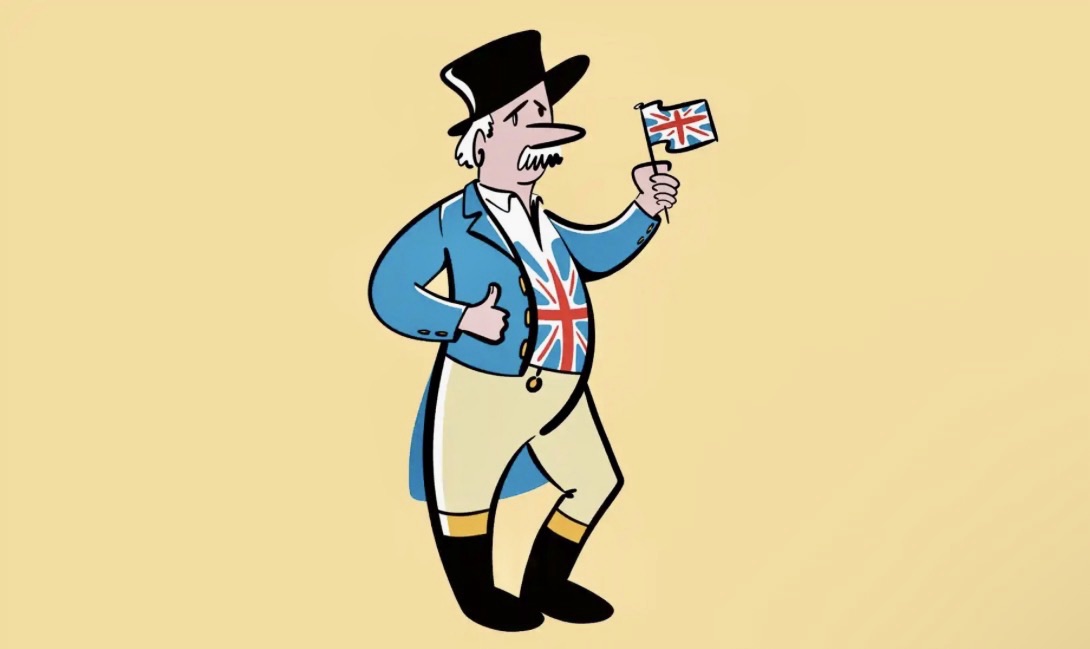
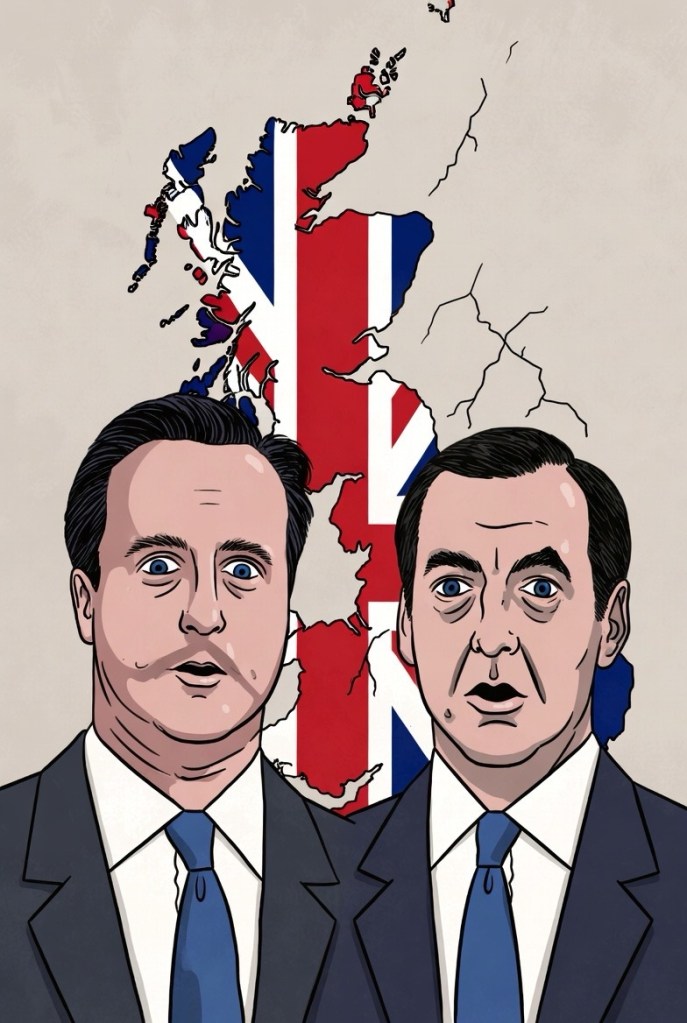
The global financial crisis of 2008 was a seismic event that shattered economies and shook political establishments. In the UK, it created a profound moment of ideological vulnerability. For the incoming Conservative-Liberal Democrat coalition of 2010, led by David Cameron and his Chancellor George Osborne, the crisis was not merely a disaster to be managed; it was a long-awaited political opportunity. They wielded the language of austerity not just as economic necessity, but as a moral crusade to systematically dismantle key pillars of the welfare state—a project that would deliberately rupture the social fabric, awaken dormant nationalisms, and set the stage for a populist revolt.
Cameron and Osborne did not invent skepticism of the welfare state, but they operationalized a radical departure from its post-war vision. Established by Beveridge and built by both Conservative and Labour governments over decades, the system was founded on principles of collective insurance and universal provision, a safety net that bound society together. The 2010 coalition, however, embarked on a project of conscious dismantling. Austerity was the vehicle: a deficit narrative that framed deep, rapid spending cuts not as a painful choice, but as the only responsible path. The scale and speed of the cuts to social security, local government, and public services went far beyond fiscal consolidation; they were the mechanism for a “small state” transformation that previous Conservatives had only dreamed of.
This project was underpinned by a powerful and deliberate narrative: the division of the nation into the “strivers” and the “shirkers.” Osborne’s rhetoric was meticulously crafted to create a new moral hierarchy. By insisting the state must not subsidise the “poor to live in homes that hard-working people could not afford,” they introduced a pernicious logic of geographic segregation—a state-sanctioned doctrine that the poor should know their place, both economically and physically. The “Bedroom Tax” and the cap on Housing Benefit were not just austerity measures; they were policies designed to physically relocate the poor from “affluent” areas, eroding mixed communities and entrenching spatial inequality.
Most insidiously, the government weaponised the concept of the “undeserving poor.” By amplifying stories of benefit fraud and introducing a Byzantine system of sanctions and conditionality, they turned poverty from a condition of misfortune into one of suspected moral failure. Suspicion became a national pastime, institutionalised through a “hostile environment” for claimants. This culture of distrust did not exist in a vacuum; it bled outward, creating a fertile ground for a more expansive, uglier suspicion.
The economic despair and social disintegration wrought by austerity—the shuttered libraries, the overstretched NHS, the hungry children—required a scapegoat larger than a lone “benefit cheat.” The government’s narrative of a bloated state wasting “hard-working people’s money” seamlessly fused with a resurgent, dormant English nationalism and a deep-seated Euroscepticism. The “striver” was subtly reimagined not just against the “shirker” at home, but against the distant, bureaucratic “other” in Brussels, accused of imposing rules and drawing resources. When Cameron, seeking to manage his party’s fractures, offered the 2016 EU referendum, he unleashed these pent-up forces onto a binary ballot.
Austerity had prepared the ground perfectly. The palpable loss of community control, the visceral sense of decline in “left behind” towns, and the pervasive narrative of unfairness were all channeled, with potent simplicity, into the Vote Leave campaign. The EU became the ultimate “undeserving” claimant on British sovereignty and finances. The slogans—”Take Back Control,” “£350 million a week for the NHS”—were the natural culmination of a politics that for years had insisted resources were scarce, that someone was getting something for nothing, and that national restoration required a radical break.
Thus, the ugly downfall was twofold. First, the shredding of the domestic social contract, which bred bitterness and fragmentation. Second, the channeling of that anger outwards, creating a toxic, populist nationalism that chose rupture over repair. Cameron and Osborne’s austerity did not just cut spending; it severed bonds of mutual obligation and deliberately destabilised the post-war settlement. In doing so, they set the country marching backwards—away from the complex, cooperative project of the European Union and into the brittle, nostalgic arms of a populism whose roots they had so carefully watered. The county they helped create is poorer, sicker, more suspicious, and more divided—a testament to the enduring damage wrought when crisis is exploited not to rebuild, but to dismantle and divide.
 Centre for Nigeria Progress