


Nigeria is not governed; it is managed, and even that word may be too generous. What passes for governance in Nigeria is an elaborate system of informality—an ecosystem where rules exist mainly to be circumvented, and procedures are treated as suggestions rather than obligations.
In theory, the Nigerian constitution is clear. The executive arm of government must not spend public money without appropriation by parliament. This is not an exotic principle imported from Scandinavia; it is basic constitutional hygiene. No budget, no spending. Simple.
In practice, however, Nigeria runs on something closer to a market credit system.
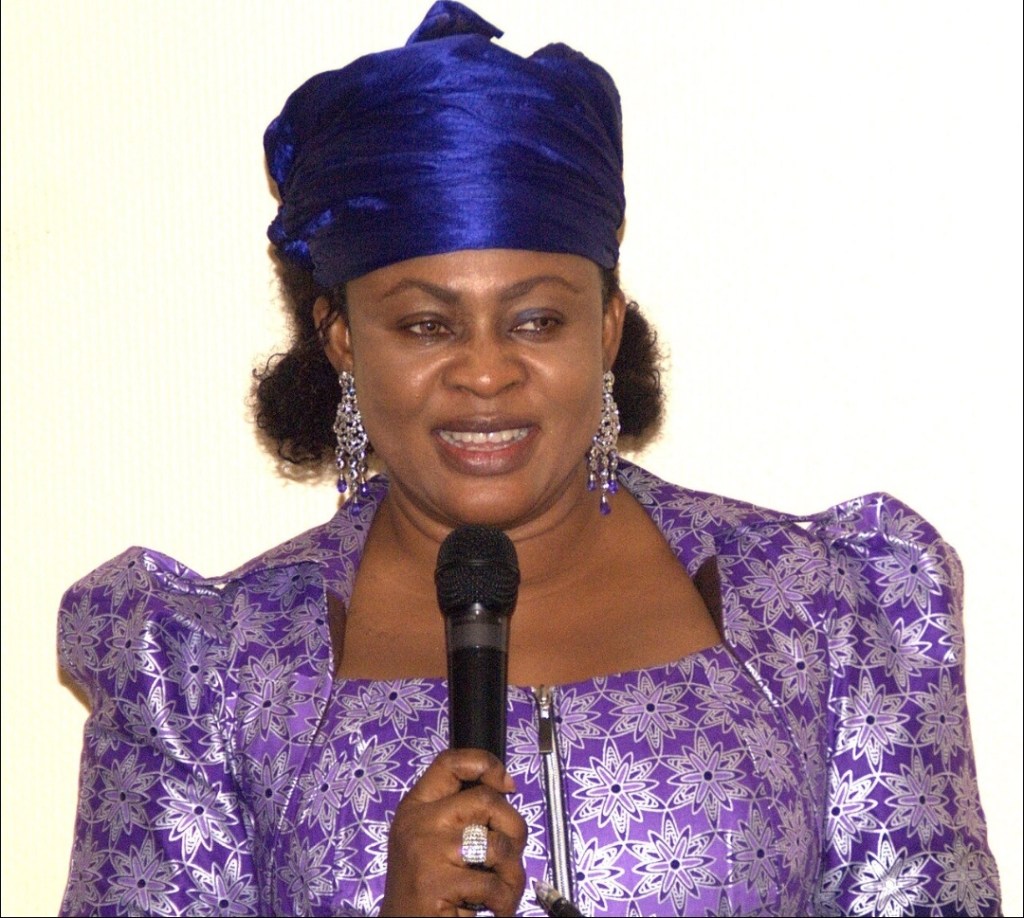
Stella Oduah, while serving as Nigeria’s Aviation Minister, directed a cash-strapped government agency under her ministry to procure two BMW armored vehicles for her use, spending ₦255 million without proper parliamentary approval or following public procurement laws.
Imagine a minister who fancies a brand-new BMW. There is no appropriation for such a purchase, but governance, like nature, abhors a vacuum. So the car is acquired anyway—from a willing dealer—on the basis of an IOU, to be “regularised” once parliament eventually passes an appropriation. The money is spent before it is approved. The law is acknowledged, nodded at politely, and then ignored.
This is not an aberration. It is the method.
This IOU culture is replicated across ministries, departments, and agencies. Contracts are awarded before budgets are passed. Projects are commenced before approvals are obtained. Payments are promised today and justified tomorrow. Parliament is reduced to a retrospective endorsement committee, asked not whether money should be spent, but how quickly it can legitimise money already gone.
What we are witnessing is governance by afterthought.
This informality is not limited to government. It mirrors the broader Nigerian economic culture. A significant proportion of small and medium-sized businesses operate without formal accounts. Many business owners do not understand profit and loss statements, balance sheets, or cash-flow analysis. Not because they are unintelligent, but because the system has never demanded formality as a condition for survival.
Money comes in. Money goes out. Whatever remains is “profit.” Taxes are an inconvenience. Records are optional. Structure is for other countries.
When such a business culture supplies personnel to government, the result is predictable. Ministers, permanent secretaries, and agency heads replicate in public office the same informal practices they used in private life—only now with public money and fewer consequences.
Correspondence tells the same story. Write formally to a government department and wait. And wait. And wait some more. No acknowledgement. No reference number. No paper trail. Banks, regulators, and public institutions behave as if written communication is a personal favour rather than a professional obligation.
This absence of formality is not accidental. It is strategic.
Corruption does not thrive merely because people are dishonest; it thrives because systems are deliberately kept vague. When transactions are undocumented, accountability becomes impossible. When approvals are verbal, responsibility evaporates. When nothing is written down, nothing can be proven.
This is corruption embedded at the architectural level of governance.
The beauty of the system—if one may call it that—is deniability. No paper trail, no scandal. No receipts, no audit. No replies, no liability. Everything is conducted through “understandings,” “directives,” and “arrangements.” When trouble comes, everyone develops sudden amnesia.
Nigeria’s problem, therefore, is not just bad leadership or moral failure. It is the normalisation of informality as a governing principle. The state itself behaves like an unregistered business operating from a back room—no books, no records, and no intention of keeping any.
Until Nigeria embraces formality—not as an imported Western affectation but as the backbone of modern governance—corruption will remain undefeated. You cannot audit an IOU. You cannot prosecute a nod. And you cannot reform a system that refuses to write anything down.
Nigeria does not lack laws. It lacks respect for process. And where process dies, corruption does not just enter—it settles in, redecorates, and calls the place home.
 Centre for Nigeria Progress