

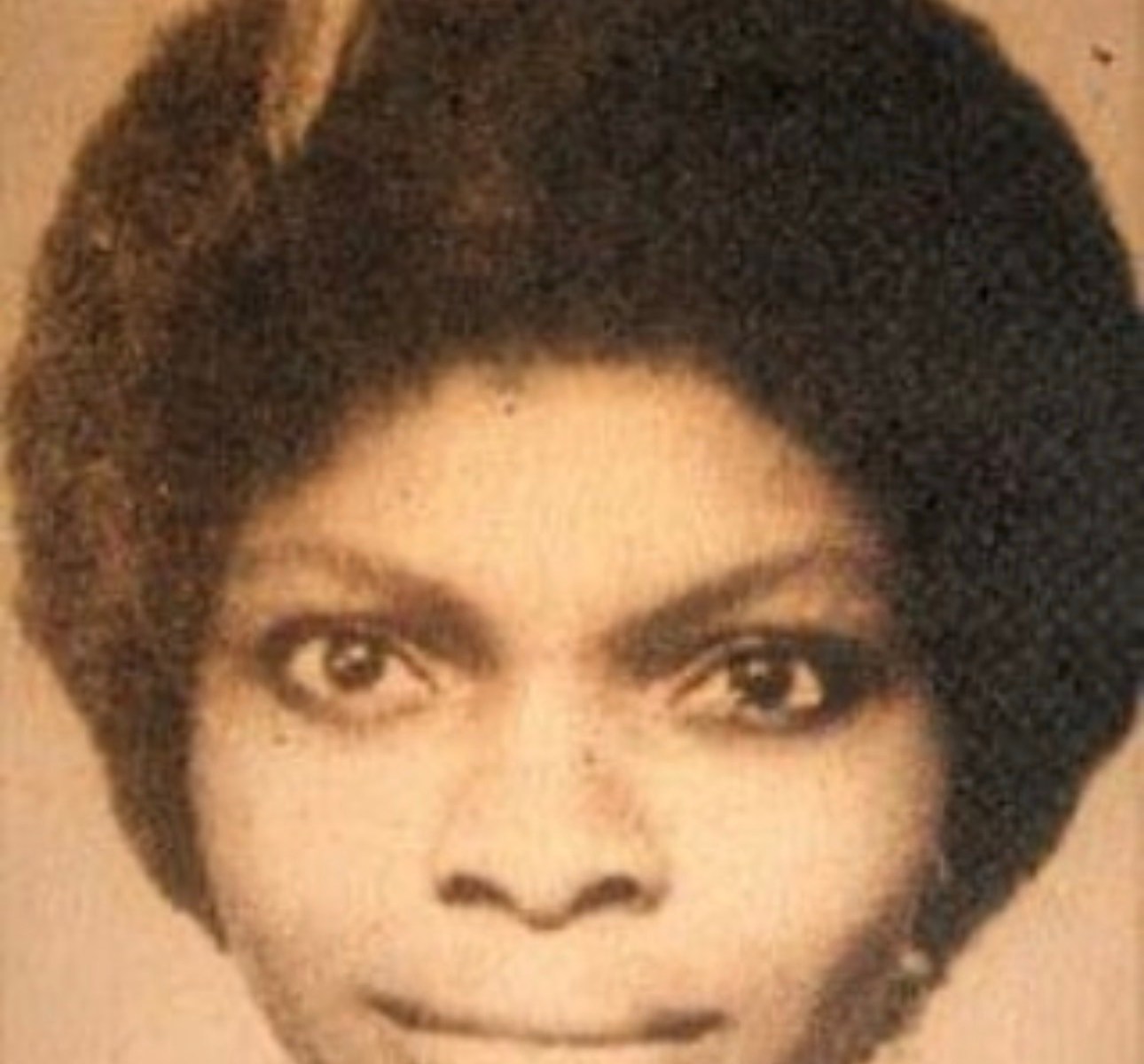
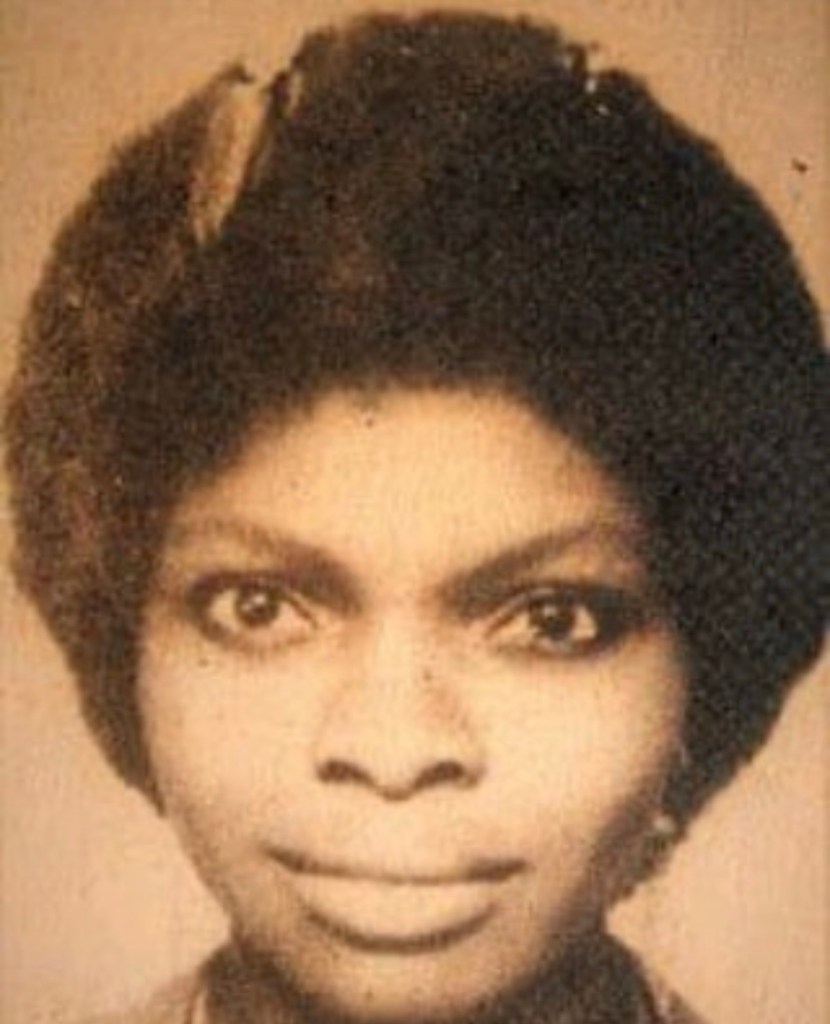
Nigeria has many ghost stories. Not the Halloween kind with creaking doors and dramatic music, but the far more disturbing type—stories where real people simply disappear, and the state, having played a starring role in the opening act, suddenly develops amnesia.
One of the most chilling of these is the case of Gloria Okon.
In 1981, Gloria Okon, a young Nigerian woman, was arrested at Kano International Airport for allegedly carrying drugs. What followed should have been routine by the standards of a functioning state: investigation, prosecution, trial, conviction or acquittal. Instead, Nigeria delivered something far more familiar—a vanishing act, executed with military efficiency and civilian indifference.
After her arrest, Gloria Okon was taken into custody by the National Security Organisation (NSO), the forerunner of today’s alphabet soup of security agencies. From that moment on, she effectively ceased to exist. No trial. No conviction. No official explanation. Just silence.
Then things became truly grotesque.
The authorities announced that Gloria Okon had died in custody, allegedly from asthma. To support this claim, a body was produced and buried. Case closed. Move along. Nothing to see here.
Except there was one small problem.
The body was not Gloria Okon.
Her mother, when shown photographs of the corpse, insisted the dead woman was not her daughter. Forensic inconsistencies piled up. Public outrage followed. Under pressure, the government eventually admitted what many already suspected: the woman buried was not Gloria Okon. At that point, the state’s narrative collapsed like a badly built bungalow in the rainy season.
An inquiry was set up—as is tradition. Panels were formed. Reports were written. Recommendations were made. Careers were protected. And, as usual, no one of consequence was held accountable.
To this day, no one can say with certainty what happened to Gloria Okon. Was she killed in custody? Was she secretly executed? Was she trafficked, transferred, or disposed of in a manner too embarrassing for official records? The Nigerian state knows—or once knew—but has chosen not to remember.
What makes the Gloria Okon case particularly disturbing is not just the disappearance of one woman, but the attitude of the state throughout the saga. The government behaved not as a custodian of life and liberty, but as an innocent bystander—as though Gloria Okon had simply wandered off from a bus stop rather than been arrested by state agents at an international airport.
There was no urgency. No transparency. No sense that a citizen disappearing in state custody was a national emergency. Instead, there was the familiar cocktail of denial, obfuscation, and bureaucratic shrugs.
In many ways, Gloria Okon’s story is a dress rehearsal for what Nigeria would later perfect: enforced disappearances, manufactured narratives, and official indifference masquerading as governance. From military rule to civilian democracy, the method has remained remarkably consistent—the state acts, the citizen suffers, and accountability never arrives.
Today, Gloria Okon’s name is rarely mentioned. New scandals have pushed old crimes out of public memory. But forgetting her would be convenient, and convenience has always been the Nigerian state’s favourite ideology.
Her case remains a reminder that in Nigeria, the most dangerous place a citizen can sometimes be is inside the hands of the state—and that when those hands let go, they often do so without explanation, apology, or consequence.
Gloria Okon vanished.
The truth vanished with her.
And the state? The state simply looked on.
 Centre for Nigeria Progress