

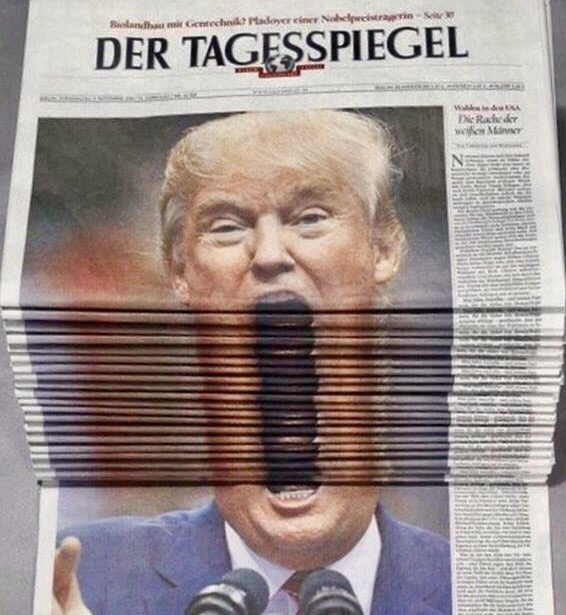
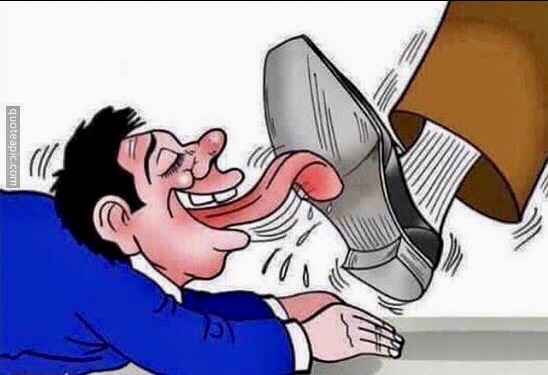
1. Systemic Attack and “Othering”
· Tactics Used: Public disparagement of institutions (“deep state,” courts, media), division into “red” vs. “blue” states, incendiary nicknames for opponents.
· Constitutional Impact: Erodes public trust in co-equal branches of government, framing them as illegitimate enemies rather than essential checks. This weakens the system’s ability to collectively restrain executive overreach.
2. Incitement and Permission-Giving
· Tactics Used: Violent or warlike language (“fight like hell”), targeting of individuals (e.g., calling for the execution of political opponents), promotion of conspiracy theories (e.g., stolen elections).
· Constitutional Impact: Research shows this rhetoric emboldens individuals to act on pre-existing prejudices and can direct violence, as seen on January 6. It creates a climate of fear and intimidation that chills political participation and oversight.
3. Weaponizing the “Big Lie” and Gaslighting
· Tactics Used: Relentless repetition of demonstrable falsehoods (e.g., widespread voter fraud), projection of accusations onto opponents, denial of objective reality.
· Constitutional Impact: Undermines the shared factual basis necessary for democratic discourse and accountability. It allows for the justification of extreme measures (like seizing voting machines) based on a fabricated crisis.
4. Personalizing and Corrupting Public Trust
· Tactics Used: Framing loyalty to himself as synonymous with patriotism or “saving the country”, using official channels for personal grievance (e.g., lawsuits against media), conflating his legal and financial interests with the national interest.
· Constitutional Impact: Transforms the presidency from a public trust into a vehicle for personal and political vengeance. This corrodes the principle that government power is exercised for the common good.
Historical Context: A Unique Amplification
While divisive and norm-breaking rhetoric is not new in American politics, Trump’s approach was distinct in its scale, medium, and intent.
· Pre-Social Media Era: Historically, presidents like Andrew Johnson or figures like Joseph McCarthy used vitriolic language. However, their reach was limited by slower media (newspapers, radio, television) and stronger institutional gatekeepers within political parties and the press.
· The Trump Era: His rhetoric was uniquely amplified by direct, unfiltered access to millions via social media and a symbiotic relationship with partisan media outlets. This allowed him to bypass traditional checks, speak directly to his base, and create an alternative information ecosystem.
· Strategic Intent: Earlier norm-breaking often occurred alongside policy disputes. Analysts argue Trump’s rhetoric was a deliberate strategy to create constant chaos, dominate the news cycle, and frame any opposition as part of a corrupt “system” against which any action was justified. This aligns with the “unitary executive theory” he advanced, which seeks to free the president from congressional or judicial constraint.
In short, Trump’s rhetoric was not merely “coarsening” political discourse but was an operational tool. It served to preemptively discredit the constitutional guardrails, mobilize direct pressure against them, and create a populist justification for their breach, making his assault on norms systemic rather than episodic.
 Centre for Nigeria Progress