


In Nigeria, we like to pretend that nothing really changes. Same problems, new slogans. Same mess, new acronyms. But that is not entirely true. There have been moments—rare, dramatic, almost biblical—when a single decision by a sitting president or head of state permanently bent the arc of Nigerian governance. Not policy tweaks. Not reforms. Earthquakes.
There are three such decisions. Each announced with confidence. Each implemented without popular consent. Each justified by leaders who believed they alone had received divine Wi-Fi from heaven.
1. The Day the Civil Service Was Beheaded
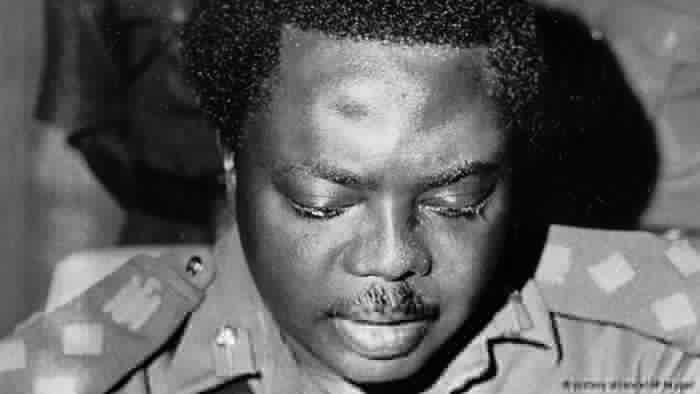
The first came under General Murtala Mohammed, a man whose reputation for decisiveness has been so thoroughly romanticised that we forget to ask what, exactly, he decided.
With military flourish, the Nigerian civil service was decapitated. Senior civil servants were summarily removed, and Nigeria was introduced to a new phrase that still sends shivers down bureaucratic spines: “dismissed with immediate effect.”
It sounded efficient. It felt revolutionary. It was catastrophic.
The civil service is the memory of the state. You can sack people, but you cannot sack institutional knowledge without consequences. What followed was a hollowed-out bureaucracy, staffed increasingly by people who knew who to salute, not what to do. Nearly fifty years later, Nigeria is still running a government without a properly functioning engine room.
Efficiency died. Continuity died. Professionalism died. We clapped.
2. SAP: Structural Adjustment or Structural Annihilation?
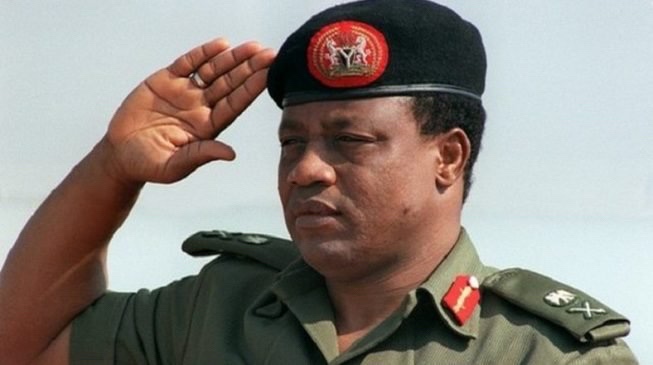
The second earthquake came under General Ibrahim Babangida, the philosopher-king of economic experiments. Enter SAP—Structural Adjustment Programme—courtesy of the IMF and World Bank, administered with military obedience and zero local context.
For a fragile, post-colonial economy still learning how to crawl, SAP was not medicine; it was chemotherapy without diagnosis.
The naira was sacrificed. Local industries—small, weak, but alive—were exterminated. The state withdrew from social responsibility as if poverty was a lifestyle choice. Families collapsed. Education became optional. History itself was outsourced, and a generation grew up knowing exchange rates but not how we got here.
Nigeria did not adjust. Nigeria fractured.
And when people complained, they were told it was necessary pain. We are still in pain. The “necessary” part never arrived.
3. Subsidy Removal by Revelation, Not Reason
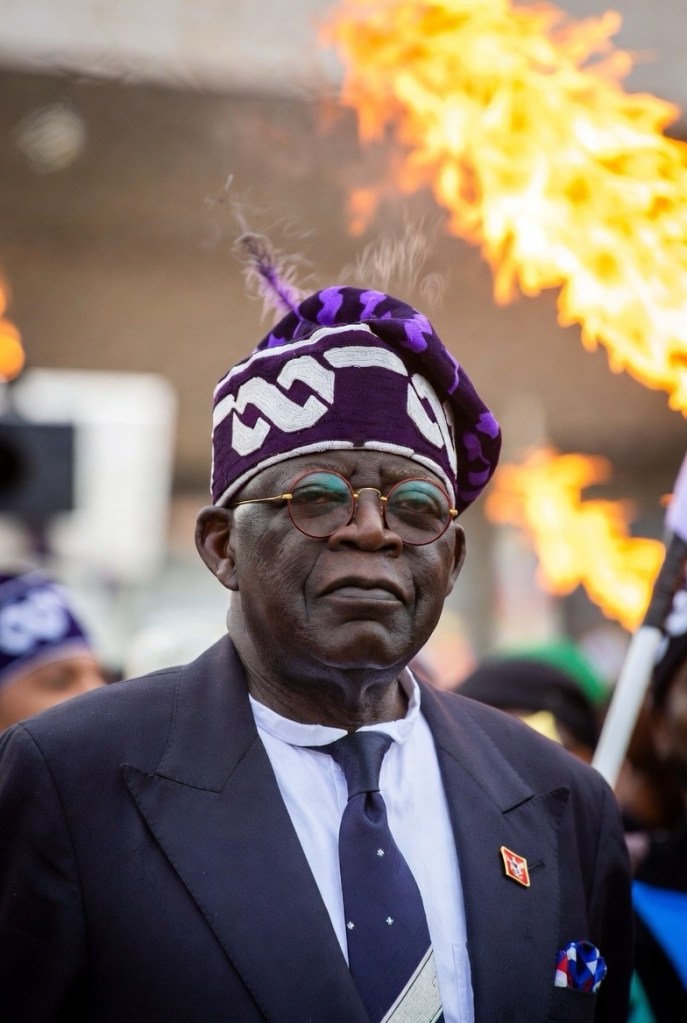
The final blow came recently and spectacularly under President Bola Ahmed Tinubu. An undebated, unilateral removal of fuel subsidy—announced with all the planning of a midnight tweet.
This was not a government decision; it was a personal revelation.
At the time, there was no Federal Executive Council. No ministers. No institutional debate. Just a president, a microphone, and a belief that Nigerians would somehow figure out the morning after.
There was no transition plan. No cushioning. No sequencing. Just vibes.
Fuel prices exploded. Transport costs followed. Food prices sprinted. Salaries remained decorative. Nigerians were told the pain would be temporary, as though hunger runs on a timetable.
This decision did not merely affect wallets; it punctured Nigeria’s already fragile sense of self. A state that cannot protect its citizens from overnight economic shock is not reforming—it is retreating.
The Common Thread: Power Without Permission
What unites these three decisions is not ideology, era, or uniform. It is arrogance.
Each was announced without popular mandate. Each bypassed democratic debate. Each was driven by leaders convinced they possessed a celestial epiphany denied to the rest of us. The people were not consulted; they were informed.
Nigeria has paid—and continues to pay—for governance by revelation rather than representation.
A country is not a laboratory. Citizens are not test subjects. And leadership is not prophecy.
Until Nigeria learns that no one, civilian or military, has the moral right to course-correct a nation without its consent, we will keep mistaking national trauma for reform—and clapping while the roof collapses.
History is patient. Consequences are not.
 Centre for Nigeria Progress