

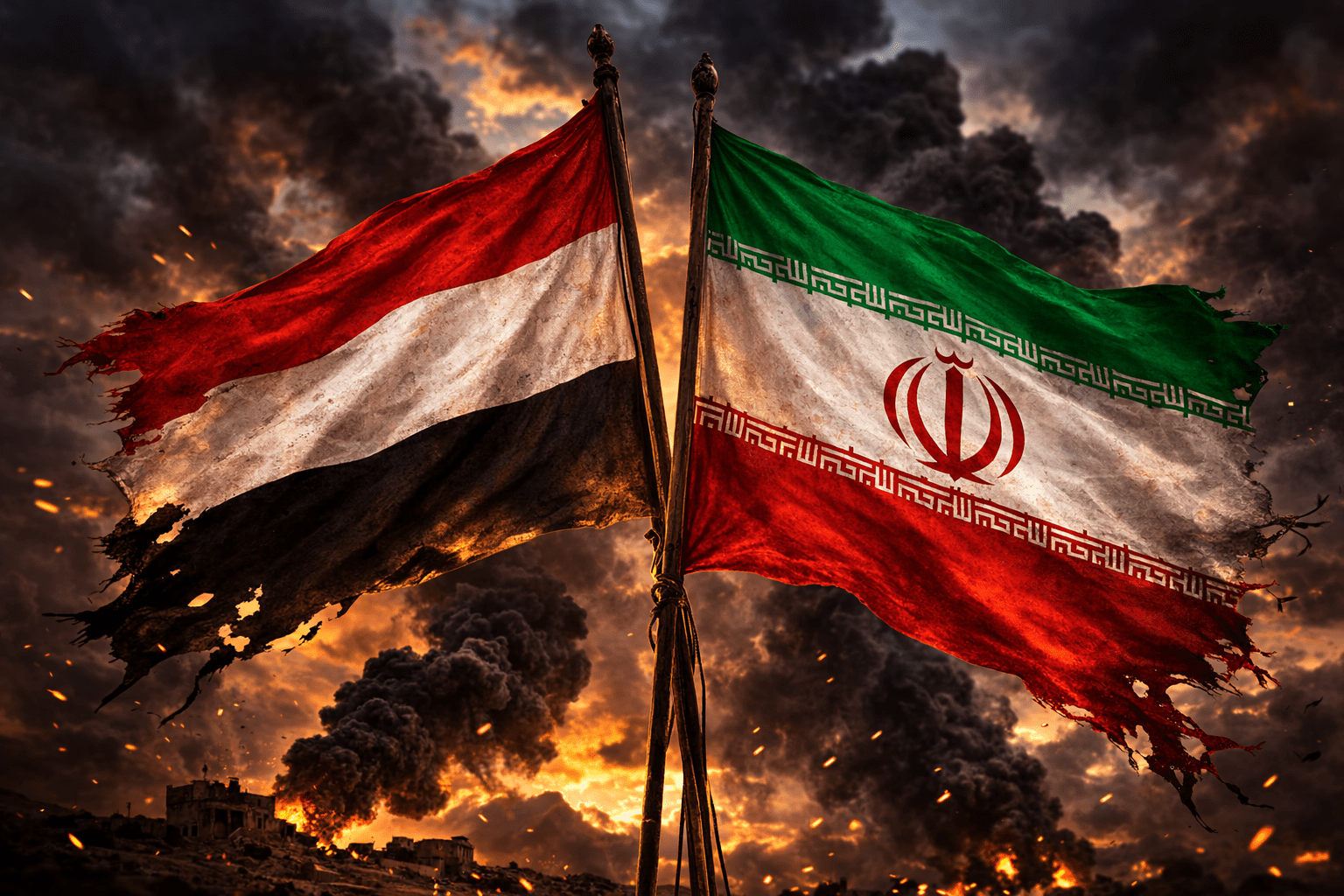

Western strategists often assume that overwhelming military superiority guarantees political victory. Recent history suggests otherwise. If anyone is looking for a preview of how a war with Iran might unfold, they need only examine the long and grinding conflict in Yemen.
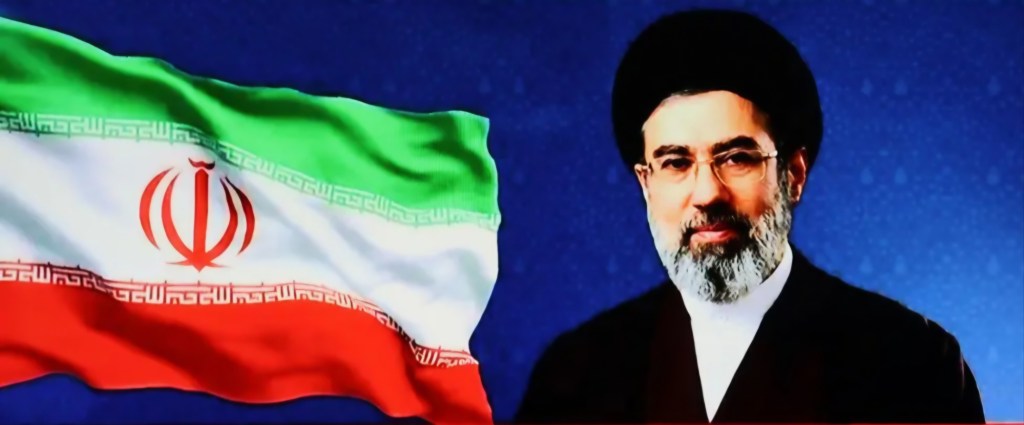
The Yemeni war has been one of the clearest demonstrations in modern warfare that technological advantage does not automatically translate into strategic success. Since 2015, a coalition led by Mohammed bin Salman’s Saudi Arabia—armed, advised and diplomatically protected by the United States and its Western allies—has attempted to defeat the Houthi movement.
On paper the result should have been obvious. One side possessed modern aircraft, precision weapons, satellite intelligence and Western logistical support. The other relied largely on irregular fighters, improvised weapons and limited resources, with backing from Iran.
Yet after years of bombardment, blockades and assassinations of commanders, the Houthis still control large portions of Yemen. The war has settled into something far more uncomfortable for the coalition: stalemate.
Decapitation Without Victory
One of the central doctrines of modern Western warfare is the decapitation strategy—remove leadership and the structure collapses. High command eliminated, command-and-control disrupted, morale shattered.
Reality has been far less obedient to theory.
The Houthis have repeatedly lost senior commanders. Their infrastructure has been bombed relentlessly. Yet the movement continues to function, recruit, and fight. The loss of individuals has not translated into the collapse of the organisation.
Movements rooted in ideology, identity, or national resistance tend to regenerate leadership faster than external powers expect.
This is the lesson that seems strangely unlearned.
Iran Is Not Yemen
Now imagine applying the same assumptions to a far larger and more complex state like Iran.
Iran is not a militia controlling mountains. It is a country of over eighty million people with a long history, a functioning bureaucracy, and multiple security institutions. Even if the senior military command or religious leadership—including the office of Ali Khamenei—were removed, the machinery of the Iranian state would not simply evaporate.
Governments rarely collapse because outsiders wish them to.
What we are seeing instead is the familiar strategy: targeted killings, military escalation, and the belief that pressure will trigger internal collapse.
The architects of this policy include figures such as Donald Trump and Benjamin Netanyahu, both convinced that sufficient force can reshape the political landscape of the Middle East.
Recent history—from Iraq to Afghanistan—suggests otherwise.
The West’s Persistent Illusion
There remains a persistent belief in Western strategic thinking: that adversaries in the Global South lack the endurance, cohesion or resolve to sustain prolonged conflict.
This assumption has repeatedly proven false.
The wars in Iraq and Afghanistan demonstrated that societies under immense pressure often become more resistant rather than less. External force rarely exposes the imagined divide between government and population that interventionists hope for.
Instead, it frequently produces the opposite effect: national solidarity against a foreign enemy.
The Political Cost at Home
Wars that cannot be quickly won have a habit of turning inward.
Economic strain, political division, and public fatigue accumulate in the countries prosecuting the war. Military campaigns intended to demonstrate strength begin to expose vulnerability.
This is not simply a military question; it is a political one.
Leaders who promise decisive victories often find themselves managing prolonged crises instead.
Nothing Left to Lose
Perhaps the most misunderstood element of conflicts like these is motivation.
States and movements under heavy sanctions and isolation often operate under a very different strategic calculus. When populations already live under economic pressure and external hostility, the deterrent effect of further punishment becomes limited.
A country that feels it has little left to lose can become extraordinarily difficult to coerce.
This is why wars of attrition tend to favour the side willing—or forced—to endure the most hardship.
Yemen’s Warning
Yemen is not merely a humanitarian catastrophe. It is also a strategic warning.
A wealthy regional power backed by Western military technology has spent nearly a decade attempting to defeat a far weaker adversary and has failed to achieve decisive victory.
If that coalition could not impose its will there, one must ask a simple question.
What makes anyone believe the outcome will be different against Iran?
History has already provided the rehearsal. The tragedy is that policymakers appear determined to ignore the script.
 Centre for Nigeria Progress