

When Bola Ahmed Tinubu declared “fuel subsidy is gone,” he triggered one of the most consequential economic shifts in Nigeria’s recent history. But if the removal itself was abrupt, what followed has been even more troubling: a government that appears to have neither planned for domestic fallout nor anticipated the external shocks now battering the global economy.
The result is a country exposed on two fronts—internally weakened by poor policy sequencing, and externally vulnerable to geopolitical forces it has made no visible effort to prepare for.
Reform Without Foresight
Economic reform does not happen in a vacuum. It must be situated within global realities, especially for a country like Nigeria whose fiscal health, currency stability, and inflation are all deeply tied to global energy markets.
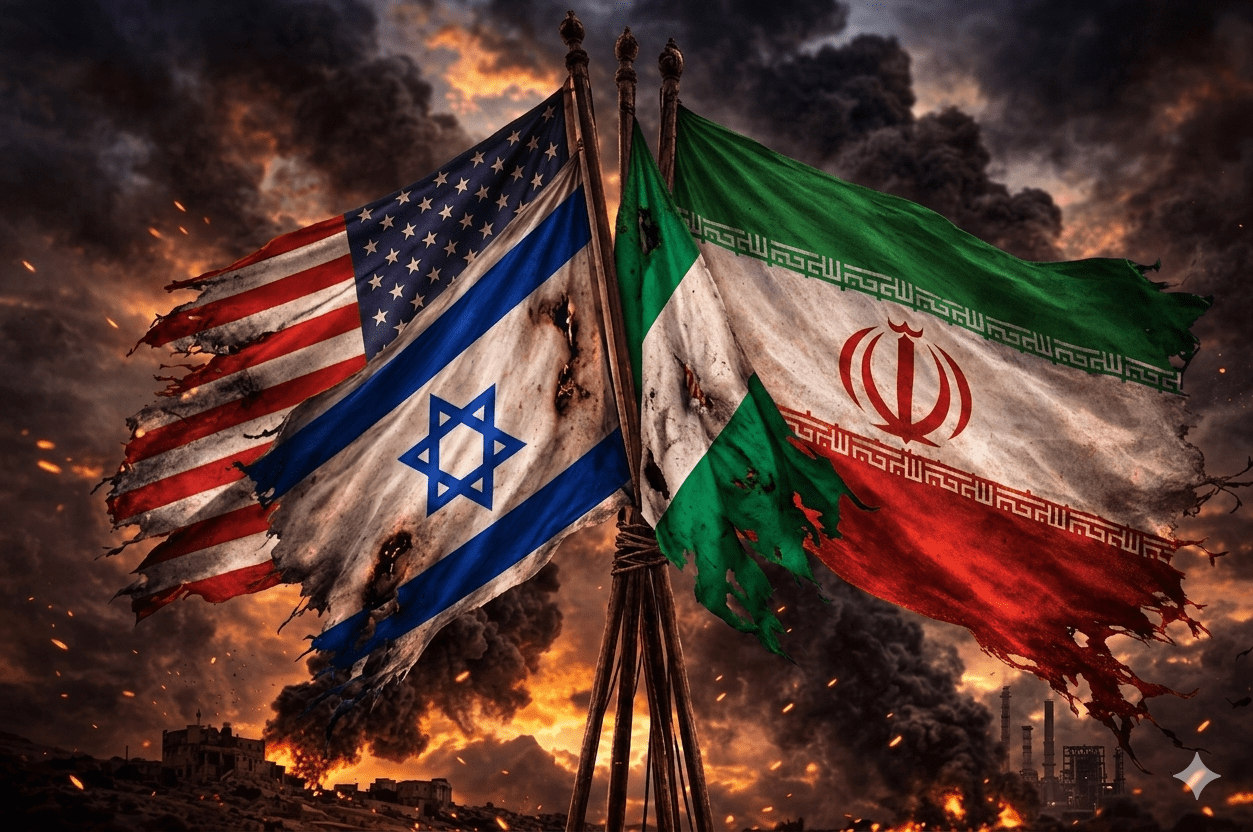
The escalation of tensions involving United States, Israel, and Iran has introduced immediate volatility into oil prices, shipping routes, insurance costs, and supply chains. These are not abstract risks—they translate directly into higher fuel prices, increased import costs, and inflationary pressure on already strained economies.
Competent governments are planning for this. Nigeria has not.
The Global Response: Anticipation and Insulation
Across the world, policymakers are acting with urgency and foresight:
Strategic petroleum reserves are being deployed or expanded to stabilise domestic fuel prices. Temporary subsidies or tax reliefs are being introduced to cushion citizens from sudden price spikes. Central banks are adjusting policy to manage inflationary shocks. Governments are accelerating alternative energy and public transport systems to reduce dependence on volatile fuel markets.
In short, other countries are insulating their populations from the ripple effects of geopolitical conflict.
Nigeria, despite being an oil-producing nation, is doing the opposite—fully exposed, with no visible buffers in place.
Nigeria’s Strategic Vacuum
What is most striking is not just the absence of action, but the absence of anticipation. There is no coherent public strategy outlining how Nigeria intends to navigate the economic consequences of Middle East instability. No emergency framework. No contingency planning. No evidence of scenario modelling.
This is a fundamental failure of governance.
Instead, Nigerians are left with recycled promises—grain releases that never materialise, transport solutions that remain theoretical, and assurances that lack operational backing. In a moment that demands state capacity and strategic clarity, the government offers little more than rhetoric.
A Perfect Storm of Policy Failure
The timing of subsidy removal now looks not just harsh, but reckless.
By stripping away fuel subsidies without building domestic buffers, the government increased Nigeria’s sensitivity to global oil price fluctuations. Then, as geopolitical tensions intensified, that vulnerability was fully exposed.
It is the economic equivalent of removing a roof just before a storm.
Fuel prices rise globally—Nigerians feel it instantly.
Shipping costs increase—food prices surge.
Currency pressures mount—imported inflation deepens.
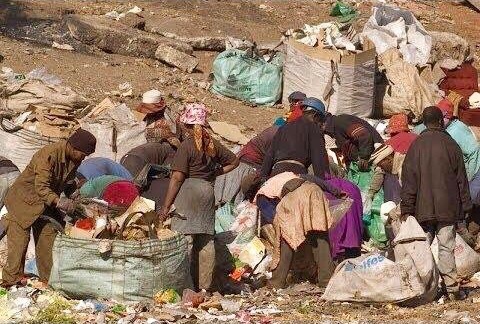
And because there was no prior planning, no mitigation architecture, the burden falls entirely on citizens.
Optics in Place of Strategy
Rather than confront this reality, the administration appears preoccupied with macroeconomic optics—debt negotiations, investment narratives, and carefully curated economic indicators.
But global shocks do not respond to press releases.
Economic management, particularly in times of geopolitical instability, requires anticipation, coordination, and rapid policy deployment. It requires a government that understands that external risks must be priced into domestic decisions.
Nigeria’s current posture suggests the opposite: a leadership reacting late, speaking often, but acting little.
Leadership in a Time of Global Crisis
This is the true test of governance—not the ability to announce reform, but the capacity to navigate complexity. The Middle East tensions are not a distant conflict; they are an immediate economic threat with direct consequences for Nigerian households.
The question is simple: where is the plan?
Where are the buffers to protect citizens from global fuel volatility?
Where are the targeted interventions to stabilise food and transport costs?
Where is the evidence that this government anticipated the storm now unfolding?
Without answers, the critique becomes unavoidable: this is a government that acted boldly in isolation, but failed to think systemically.
Conclusion: A Nation Left Exposed
Nigeria today stands uniquely vulnerable—not because global shocks are unavoidable, but because its leadership failed to prepare for them.
Other nations saw the storm and reinforced their defences.
Nigeria dismantled its own and stepped into the rain.
Until there is a shift from reactive governance to strategic planning, the hardship Nigerians face will not just persist—it will deepen, driven as much by global forces as by domestic miscalculation.
 Centre for Nigeria Progress