

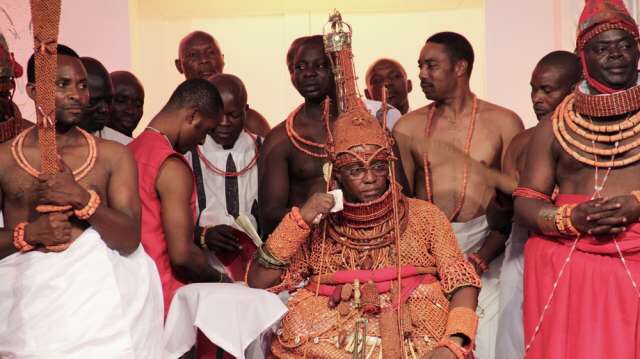

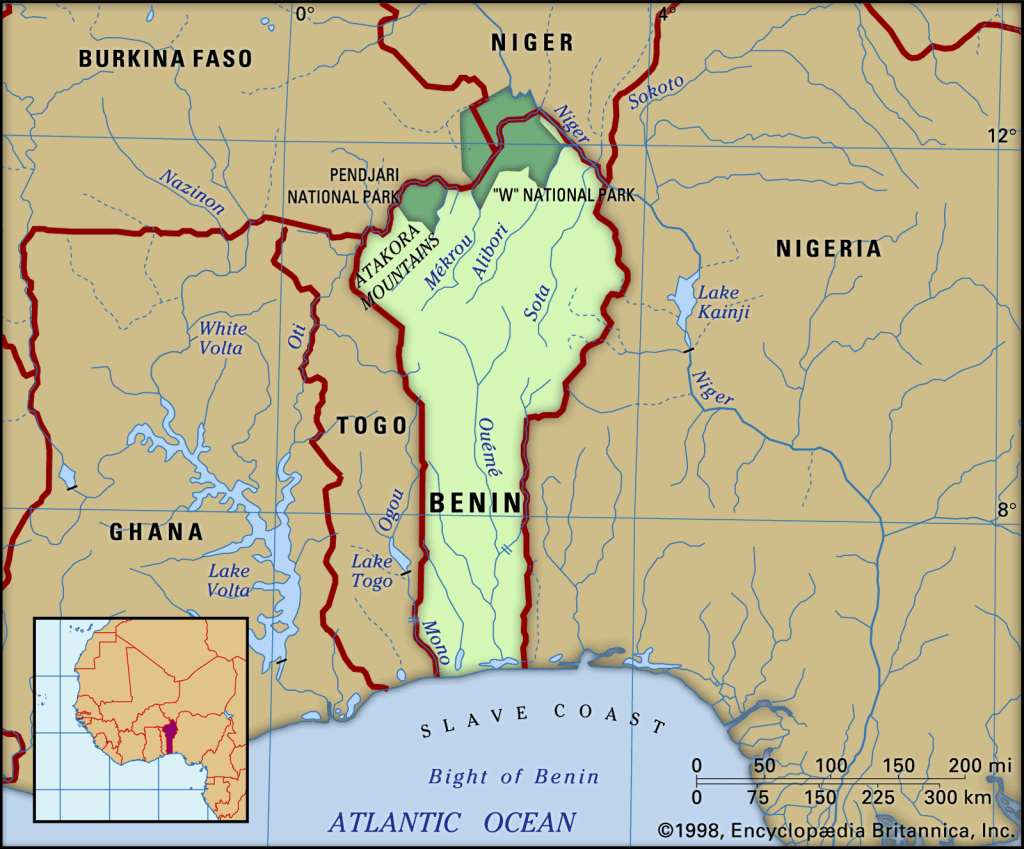
The Kingdom of Benin, also known as the Edo Kingdom, was one of the most influential and sophisticated pre-colonial states in West Africa. Flourishing from approximately the 11th century CE until its annexation by the British Empire in 1897, it was centered in what is now Edo State in southern Nigeria—not to be confused with the modern Republic of Benin, which lies to the west and was formerly known as Dahomey. The kingdom’s capital, Benin City (originally called Edo), was a bustling urban center renowned for its massive earthworks, intricate political organization, advanced metallurgy, and vibrant trade networks. At its peak in the 15th and 16th centuries, the kingdom extended from the Niger River Delta in the east to the region of modern-day Lagos in the west, encompassing diverse ethnic groups under the rule of a divine monarch known as the Oba.
This exploration draws from oral traditions, European accounts, archaeological evidence, and modern scholarship to provide a multifaceted view. We’ll examine its origins, societal structure, cultural achievements, interactions with external powers, decline, and enduring legacy. Nuances include debates over the extent of human sacrifice in its rituals (often exaggerated in colonial narratives), the kingdom’s role in the transatlantic slave trade (both as participant and victim), and ongoing efforts for artifact restitution, which highlight broader themes of colonial legacy and cultural heritage justice.
Origins and Early History
The roots of the Kingdom of Benin trace back to the Edo people, who settled in the rainforests of West Africa around the 900s CE, forming small family-based communities. 2 Initially known as Igodomigodo, the region was governed by a series of semi-mythical kings called Ogisos (“rulers of the sky”), who established a court system and early administrative structures. 4 Oral histories suggest this era lasted from the 10th to the 12th century, with the Ogisos overseeing a society focused on agriculture, trade in gold and salt, and local craftsmanship.
By the late 12th century, dissatisfaction with the Ogiso dynasty led to a pivotal shift. The Edo people invited Prince Oranmiyan from the neighboring Yoruba kingdom of Ife (a center of advanced bronze-working) to restore order. 1 Oranmiyan’s son, Eweka I (reigned c. 1180–1246), became the first Oba, marking the transition to a hereditary monarchy that centralized power and replaced the Ogiso system. 0 This dynasty endures to this day, with the current Oba, Ewuare II (crowned in 2016), serving in a ceremonial advisory role within Nigeria’s government. 0
Edge cases in this narrative include variations in dating: some sources place the Ogiso era as early as 40 BCE, though archaeological evidence supports a more conservative 10th-century timeline. 12 Additionally, the influence of Ife raises questions about cultural exchanges—Benin’s bronze-casting techniques likely evolved from Ife’s, but Benin artisans refined them into a distinct style.
Rise and Expansion Under Key Obas
The kingdom’s golden age began in the 15th century under transformative rulers. Oba Ewuare the Great (reigned c. 1440–1473), often called a “warrior and magician,” expanded the territory dramatically, rebuilt Benin City with monumental walls and moats (spanning over 16,000 kilometers in total, one of the largest earthworks in history), and established a professional army and bureaucratic system. 3 His reforms included hereditary succession, guild organizations for craftsmen, and the promotion of state cults honoring ancestors.
Successors like Oba Ozolua the Conqueror (c. 1481–1504) and Oba Esigie (early 16th century) further consolidated power. Ozolua led military campaigns that extended Benin’s influence, while Esigie fostered diplomatic ties with Portugal, sending ambassadors and adopting elements of Christianity alongside traditional beliefs. 3 By the mid-16th century, Benin was a regional powerhouse, controlling trade routes and engaging in diplomacy as equals with European powers.
Implications of this expansion included increased centralization, which strengthened the Oba’s divine status but also sowed seeds for internal rivalries. Nuances: While celebrated for military prowess, these conquests involved alliances with neighboring groups like the Yoruba, and some campaigns were defensive against threats from the north.
Society, Economy, and Governance
Benin’s society was highly stratified, with the Oba at the apex as a semi-divine figure embodying political, judicial, economic, and spiritual authority. 3 Below him were hereditary chiefs, palace officials, and guilds (e.g., brass casters, ivory carvers) that monopolized crafts and ensured quality control. Women held significant roles, particularly the Iyoba (queen mother), who advised the Oba and had her own court.
The economy thrived on agriculture (yams, palm oil), long-distance trade (ivory, pepper, cloth), and later, the slave trade with Europeans. 3 Benin served as a intermediary between coastal ports and interior tribes, profiting from exports while importing European goods like guns and brass manillas (used for currency and art).
Related considerations: The slave trade’s dual role—Benin both supplied captives from wars and suffered raids—complicates its legacy. Human sacrifice, tied to ancestor veneration and state rituals, was practiced but often sensationalized by Europeans; estimates vary, and it declined in later centuries. 3 Edge cases: During famines or succession crises, rituals intensified, reflecting the kingdom’s reliance on supernatural legitimacy.
Art and Culture: The Benin Bronzes and Beyond
Benin’s artistic legacy is unparalleled, with the famous “Benin Bronzes” (actually brass plaques, heads, and figures) exemplifying technical mastery using the lost-wax casting method. 6 These naturalistic works depicted Obas, courtiers, and Portuguese traders, adorning palace walls and altars. Ivory carvings, wood sculptures, and coral bead regalia also flourished, symbolizing royal power and cosmology.
Religion blended animism, ancestor worship, and Yoruba influences (e.g., Olokun, god of the sea). Festivals reinforced social cohesion, but cultural practices like scarification and oral epics preserved history.
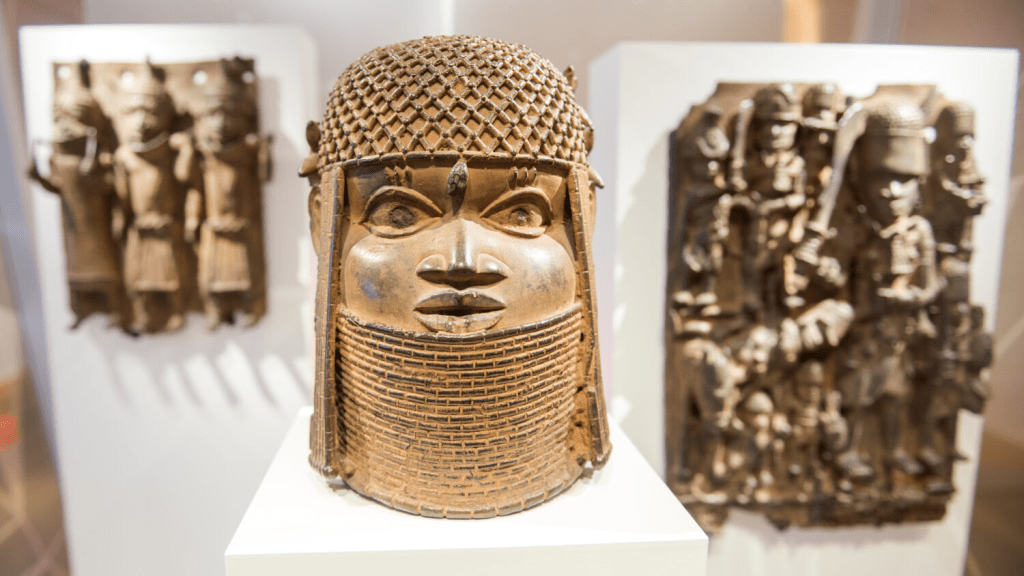
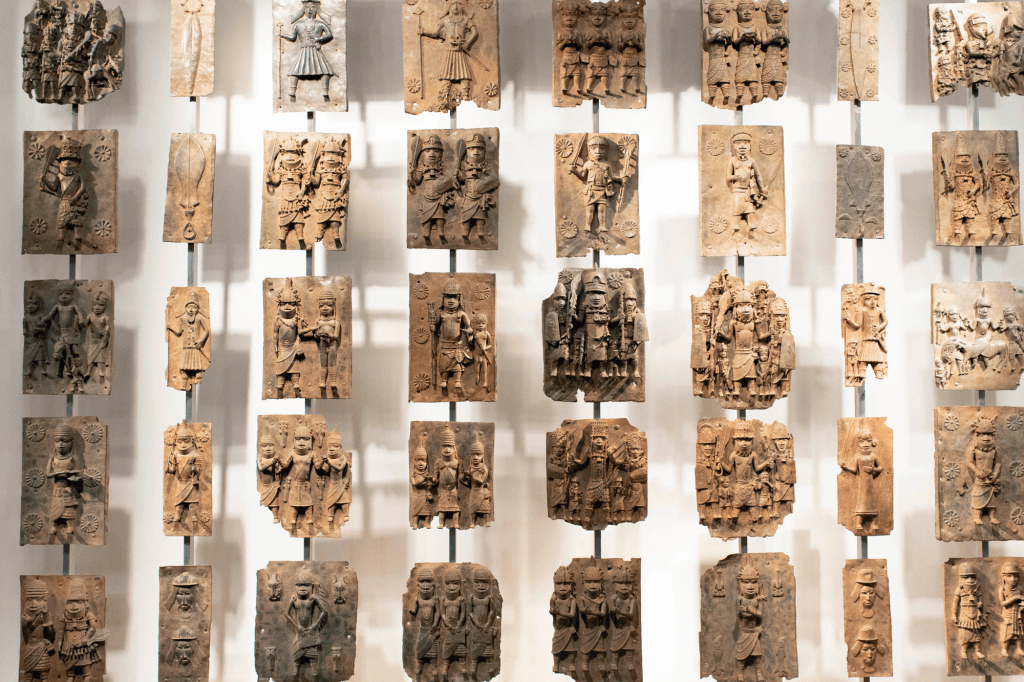
Nuances: European visitors initially doubted Africans created these works, attributing them to external influences—a colonial bias debunked by archaeology. 7 Implications: Art served propaganda, recording history and legitimizing rule.
European Contact and Trade
From the late 15th century, Benin engaged with Portuguese explorers, exchanging ivory and slaves for firearms and luxury goods. 3 Dutch and British traders followed in the 17th–18th centuries, with Benin maintaining sovereignty through strategic alliances. This period boosted wealth but introduced tensions, as European demands fueled internal wars.
Edge cases: While trade enriched Benin, it also exacerbated inequalities; some Obas resisted full Christian conversion to preserve traditions.
Decline and Fall
By the 18th century, succession disputes and civil wars weakened the kingdom. 3 Obas retreated into ritual seclusion, relying on human sacrifices amid territorial losses. The abolition of the slave trade in the early 19th century eroded economic power.
The final blow came in 1897 with the British Punitive Expedition: After a British delegation was ambushed (amid misunderstandings), forces sacked Benin City, looting thousands of artifacts and exiling Oba Ovonramwen. 11 The city was burned, and Benin was incorporated into colonial Nigeria.
Nuances: The ambush may have been provoked by British aggression; colonial accounts framed it as “barbarism” to justify invasion. Implications: This event dispersed the Benin Bronzes globally, sparking modern restitution debates.
Legacy and Modern Relevance
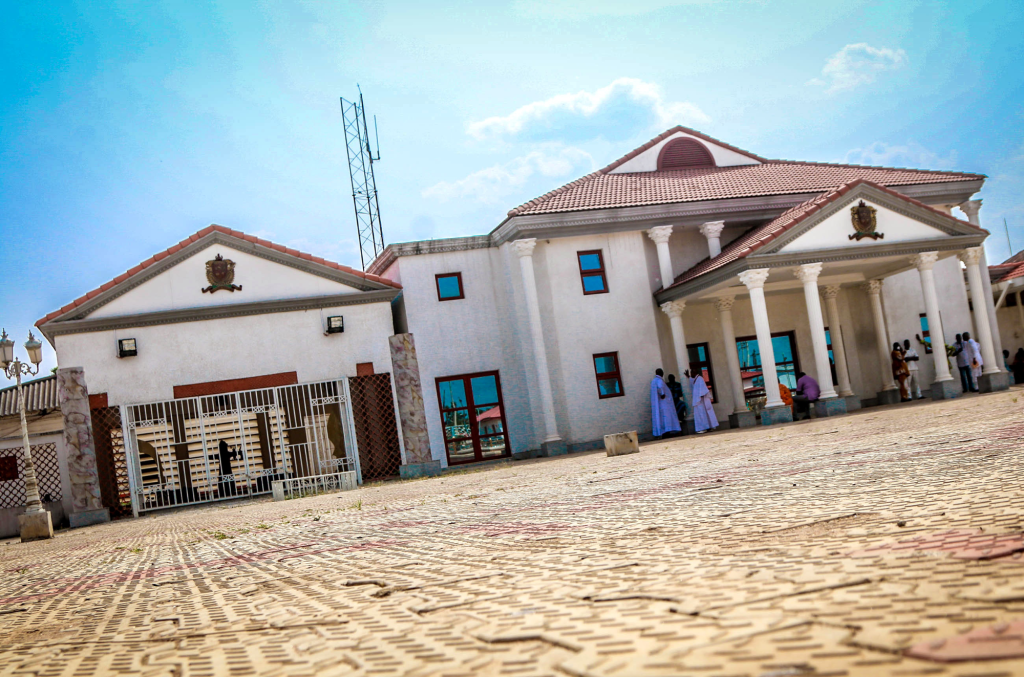
Today, the Oba’s palace in Benin City remains a cultural hub, with Ewuare II advocating for artifact returns. 0 Recent archaeology, like the EMOWAA Project, uncovers urban complexity and challenges Eurocentric views. 7 Over 1,000 Bronzes have been repatriated from Germany and the U.S. since 2021, symbolizing heritage justice.
Benin’s story underscores African agency in global history, from innovation to resilience against colonialism. Ongoing discussions—e.g., ethical museum practices and decolonizing narratives—highlight its implications for contemporary Africa, where cultural revival intersects with economic development. For further exploration, resources like the Digital Benin project offer virtual access to artifacts. Benin
 Centre for Nigeria Progress
Great global history
LikeLike
Many thanks for kind comment
LikeLike