

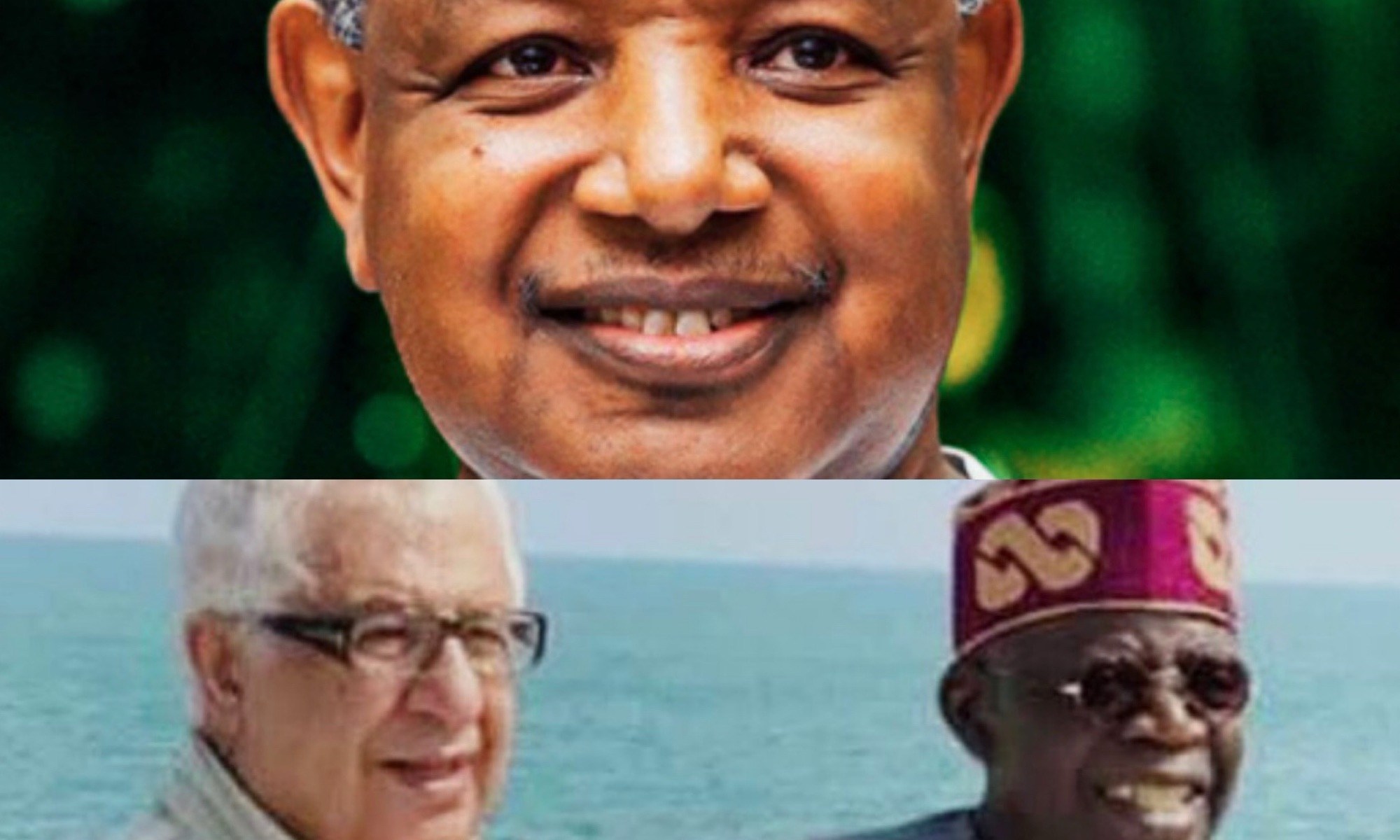

Just when you thought corruption in Nigeria had quietly retired to a modest bungalow in the outskirts of Dubai—living off its pension and occasionally sending cryptic WhatsApp broadcasts—President Bola Ahmed Tinubu has kicked the door open and declared: “Gentlemen, we are so back.”
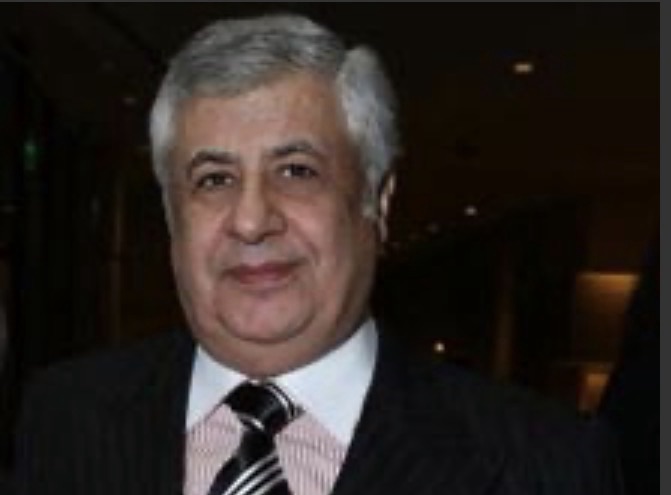
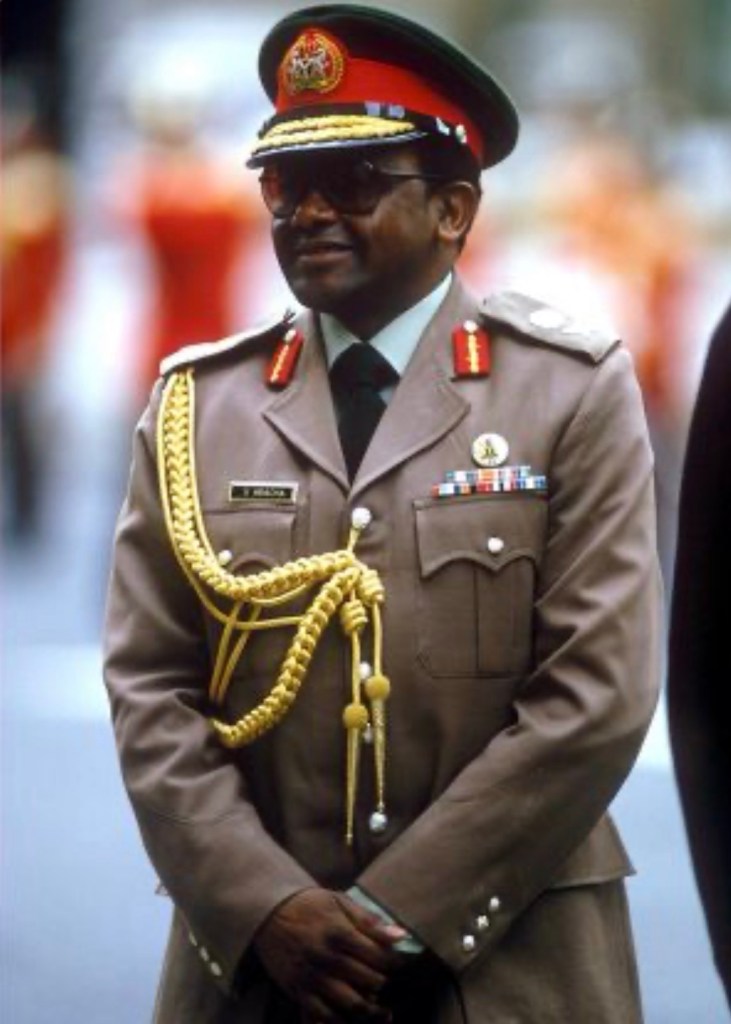
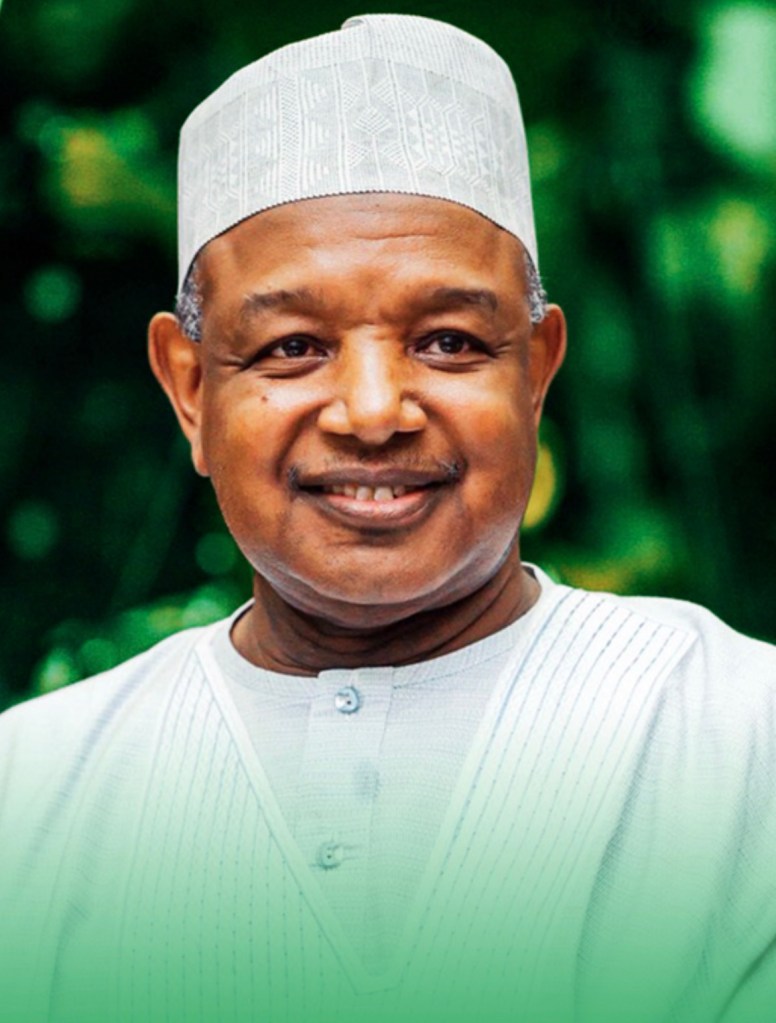
And not just back in a subtle, “let’s learn from the past” way. No, no. This is a full-blown reunion tour. The kind where the old band dusts off their instruments, puts on leather jackets two sizes too small, and insists they still have it. Ladies and gentlemen, welcome to the return of the Abacha Extended Universe—featuring familiar faces like Gilbert Chagoury and Abubakar Atiku Bagudu.
Yes, those Abacha boys. The original cast. The veterans. The legends. The men who treated Nigeria’s treasury like a Black Friday sale—everything must go.
You have to admire the confidence. While other countries are busy innovating in technology, renewable energy, and artificial intelligence, Nigeria is boldly pioneering a new frontier: nostalgia corruption. Why create new scandals when you can remaster the classics in 4K?
It’s almost poetic. Sani Abacha may be gone, but his cinematic universe lives on—now streaming live from Aso Rock. The plot is simple: assemble the old crew, sprinkle in some new titles, and rebrand it as “experience.” After all, why call it baggage when you can call it expertise?
In Tinubu’s Nigeria, corruption is no longer a bug; it’s a feature. It’s not something to be quietly denied—it’s practically being reintroduced with a red carpet and a brass band. Somewhere, a young Nigerian is watching this unfold and thinking, “Ah, so this is the career path they didn’t teach us in school.”
Let’s be honest: this isn’t governance, it’s a reboot. And like most reboots, it raises one important question—did anyone actually ask for this?
The optics alone are enough to make a cynic blush. Bringing back figures long associated with one of Nigeria’s most infamous eras is like reopening a crime scene and offering guided tours. “On your left, you’ll see where accountability once stood briefly before being escorted out.”
But perhaps we’re missing the genius of it all. Maybe this is Tinubu’s way of embracing transparency. After all, why pretend to fight corruption when you can simply make it fashionable again? Why hide it in the shadows when you can give it a front-row seat?
In a strange way, it’s refreshing. There’s no ambiguity, no mixed signals. Just a clear, unapologetic message: the old rules still apply, and the old players are still in the game.
And what a game it is.
For a country filled with young, ambitious citizens trying to navigate an increasingly difficult economic landscape, this grand reunion sends a powerful signal—unfortunately, not the kind you’d hope for. It tells them that in Nigeria, history doesn’t repeat itself; it gets promoted.
So here we are, watching the Abacha boys take their encore bow, courtesy of a president who clearly believes in recycling—especially when it comes to political allies.
As the curtain rises on this latest act, one can only sit back, grab some popcorn, and marvel at the audacity of it all. Because if there’s one thing Nigeria never lacks, it’s drama.
And under Tinubu, business is booming.
Welcome back, gentlemen. The stage is yours. Let’s rock and roll.
 Centre for Nigeria Progress