

As we look to 2026, Nigeria’s political class shows it has learned nothing from the catastrophic lessons of 1966. The risks are the same, and so is the terrifyingly simple solution. Read more on the unlearned history.


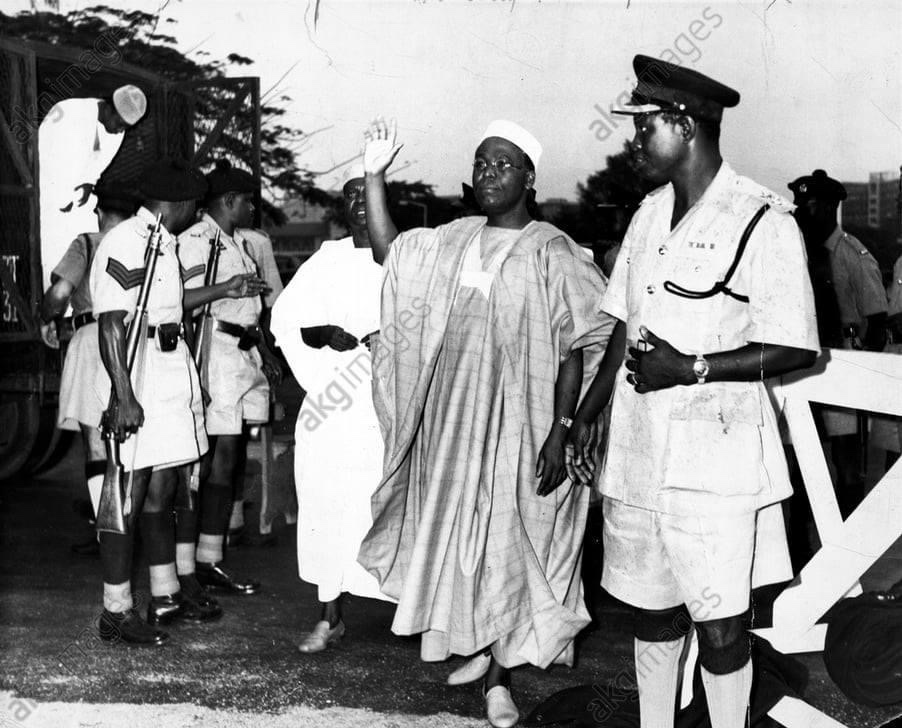

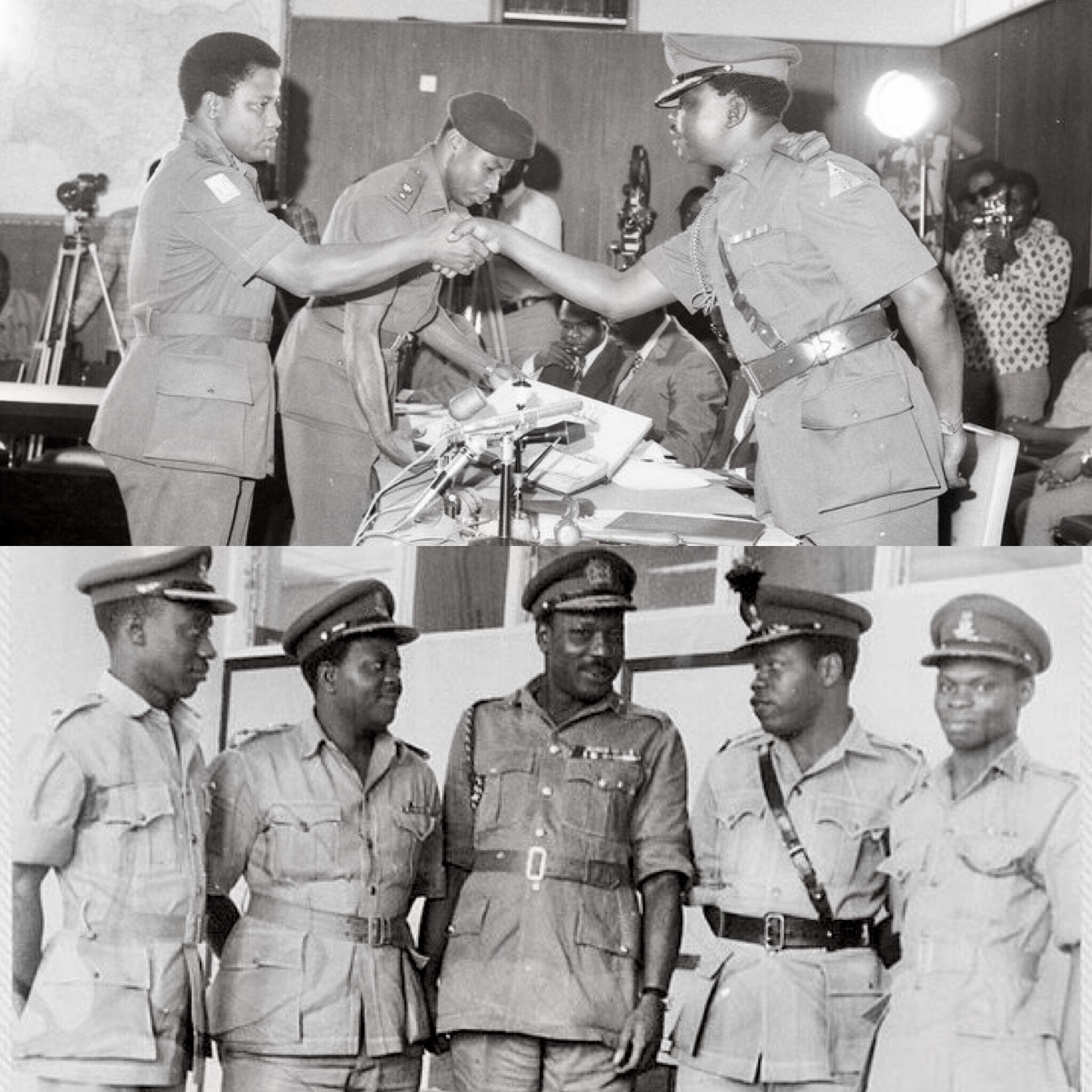
It is a haunting feeling, watching the political theater unfold as we move deeper into the 2020s. The promises, the intrigues, the regional calculations—it all feels so familiar. It feels like 1966.
The political crisis of that year was a grim watershed in our history. It began with a military coup in January, led by young officers who claimed they were acting to end the “corrupt ways” of the political class. The assassination of key figures, including Prime Minister Abubakar Tafawa Balewa and the Premier of the Northern Region, Ahmadu Bello, shattered the nation’s fragile democracy.
But the coup was only the first act. Perceived as ethnically biased, it triggered a bloody counter-coup just six months later in July—the “July Rematch.” This retaliation led to the assassination of General Aguiyi-Ironsi and the massacre of hundreds of Igbo soldiers and civilians, setting the stage for the devastating Civil War.
This sequence—political corruption, a violent coup, ethnic retaliation, and war—is our nation’s clearest cautionary tale. And yet, the politicians of 2025 seem to have bookmarked every page except that one.
The Unlearned Lessons: 1966 vs. 2025
Fast forward to today. The actors have changed, but the underlying diseases of our body politic have only mutated and grown stronger.
1. The Endemic Culture of Corruption
The 1966 coup plotters justified their actions by pointing to politicians “looting public funds at the expense of ordinary citizens.” Tragically, this problem has not been solved; it has been industrialized. Nigeria has lost an estimated $400 billion to corruption since independence. What was once decried as a reason for a coup is now often treated as a perk of office, with powerful elites rarely held to account.
2. Economic Despair and “The Push”
The economic hardship that creates fertile ground for discontent is a constant. Today, we quantify it as Economic Policy Uncertainty (EPU). This uncertainty is a primary “push factor” driving our best and brightest—doctors, engineers, tech talent—to leave the country in an unprecedented brain drain. This mirrors the economic anxieties and regional disparities that fueled the unrest of the 1960s. When citizens see no future at home, the social contract breaks down.
3. The Erosion of Trust in Institutions
The young officers of 1966 took up arms because they had lost all faith in democratic and state institutions. Today, that trust is on life support. Research consistently shows that improving institutional quality—government effectiveness, rule of law, control of corruption—is the single most important factor in rebuilding citizen trust and national stability. When institutions fail, people look for alternatives, no matter how dangerous.
The Perpetual Risk: The “Solution” That Isn’t
The greatest risk is that the potential “solution” remains the same: a violent, undemocratic reset.
The 1966 coup was meant to be a corrective measure. Instead, it plunged the nation into a cycle of violence and war from which we are still recovering. The fear today is that when democratic processes consistently fail to address fundamental grievances, it makes extra-constitutional actions seem like the only available answer to a desperate populace.
This dangerous parallel can be visualized clearly:
The Problem In 1966 The Echo in 2025
Corruption Cited as the key justification for the January coup. Systemic and staggering; an estimated $400+ billion lost since independence.
Economic Grievance Regional disparities and perceptions of favoritism. High Economic Policy Uncertainty fueling a massive “brain drain.”
Institutional Trust Shattered faith in the fairness of the state and its institutions. Pervasive distrust, though evidence shows improving institutional quality can reverse this.
The Perceived “Solution” Military coup and violent takeover. The rising risk of justifying undemocratic change as the only remedy.
A Path Away from the Precipice
The lesson from 1966 is not that coups work. The bloodshed that followed is irrefutable proof that they do not. The lesson is that when a political class fails to learn, it gambles with the nation’s very existence.
The solution, then and now, is not a violent overthrow but a profound and unwavering commitment to institutional reform and democratic integrity.
This means:
· An uncompromising fight against corruption, not just in words but in high-profile convictions and recovered assets.
· Creating tangible economic opportunities for all, not just for a connected few.
· Fostering a political culture where the government is truly accountable to the people, not to its own interests.
The politicians of 2025 must open the history books. They must see 1966 not as a distant event, but as a stark, real-time warning of what happens when leaders forget their duty.
The risk of forgetting is a “solution” that has already drowned our soil in blood once before. We cannot, and must not, be doomed to repeat it.
 Centre for Nigeria Progress