

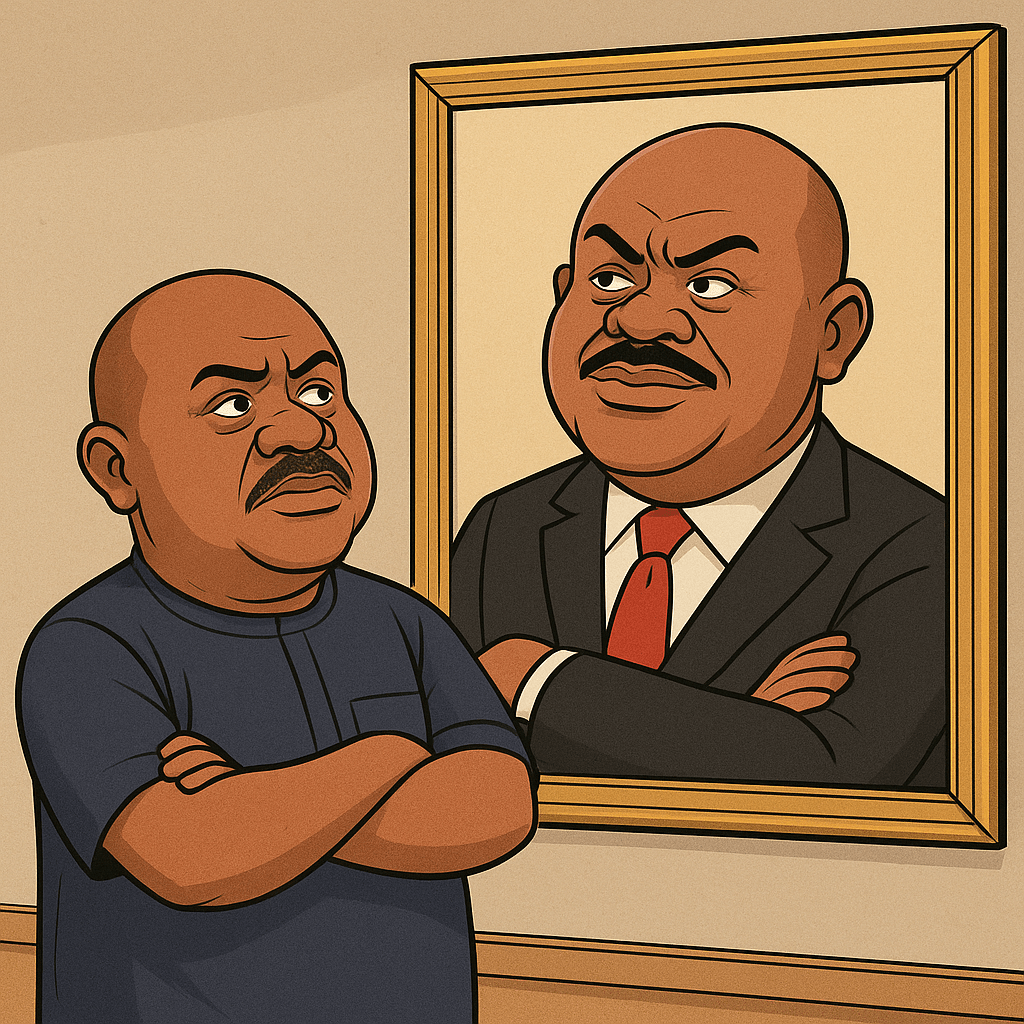

1. The End Goal is Power, Not Purpose: The ultimate objective becomes securing the office itself. Governance—the actual job—is an afterthought. The campaign is the final exam; governing is the homework no one bothers to grade.
2. The “How” Trumps the “Why”: Immense resources, energy, and cunning are devoted to how to win: voter mobilization (and sometimes manipulation), complex alliances, leveraging ethnic and religious sentiments, and mastering the legal and often extra-legal mechanics of elections. The question of why they want to win—beyond personal enrichment and aggrandizement—is rarely answered with a coherent ideology.
3. Absence of an Ideological Core: Without a guiding philosophy (like social democracy, conservatism, liberalism, or a strong grassroots economic vision), politics becomes purely transactional. There are no principles to uphold, only interests to serve. This leads to:
· Party-Switching (Political Tourism): A politician can move from a “progressive” party to a “conservative” one overnight without any ideological whiplash, because the parties themselves lack defining ideologies. It’s all about access to power.
· Policy Inconsistency: Government programs are not part of a long-term vision but are often ad-hoc, populist measures designed to win the next election cycle. A project started by one administration is abandoned by the next, not out of spite, but because there is no shared national development framework.
· Lack of Accountability: When you weren’t elected on a clear set of ideological promises, it’s difficult for the electorate to hold you to account. You can always blame predecessors or make excuses without being measured against a clear standard you set yourself.
The Vicious Cycle This Creates
This mastery of electioneering over governance creates a self-perpetuating cycle:
1. The System Selects for Showmen, Not Statesmen: The skills required to win a Nigerian election—charisma, patronage, ruthlessness, deep pockets—are not the same as those required to govern effectively—policy expertise, management, integrity, long-term planning. The system, therefore, filters out potential good governors and filters in master campaigners.
2. The Electorate Becomes Cynical: Citizens, recognizing that promises are empty and politics is a game for the elite, become disengaged or their participation becomes transactional (“What will you give me for my vote?”). This further reduces the pressure for ideological, issue-based politics.
3. Governance Suffers: With the best minds and resources focused on the next election from the day they are sworn in, the actual business of government—providing security, building infrastructure, managing the economy—is neglected. This leads to underdevelopment, which in turn…
4. Reinforces the Politics of Identity: In the absence of tangible deliverables from the state, people retreat to their primal identities: ethnicity, religion, and region. The politician, now a master campaigner, exploits these very divisions as the most effective tool to win elections, thus closing the loop.
The Way Forward?
Breaking this cycle is the fundamental challenge. It would require:
· Citizen Awakening: A shift from transactional voting to issue-based and performance-based voting. This is a long-term project requiring civic education and grassroots mobilization.
· Strong Institutions, Not Strongmen: Building independent electoral, judicial, and anti-corruption institutions that can hold politicians accountable and ensure that the process of winning an election is fair, reducing the advantage of the “master campaigner” who relies on foul play.
· The Emergence of Ideological Parties: The formation of political parties with clear, distinct manifestos that they are bound to, making politics about choices of direction, not just personalities.

