

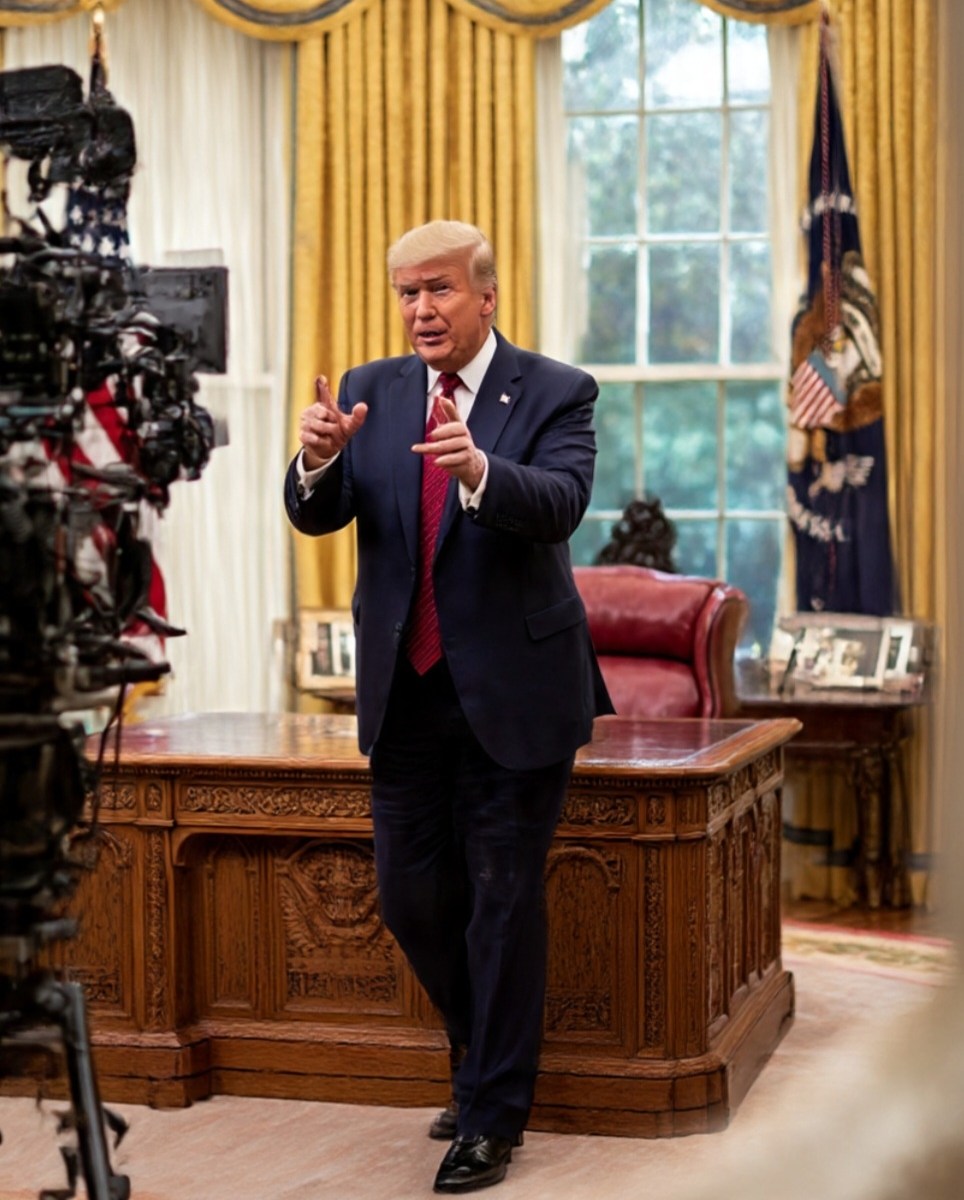
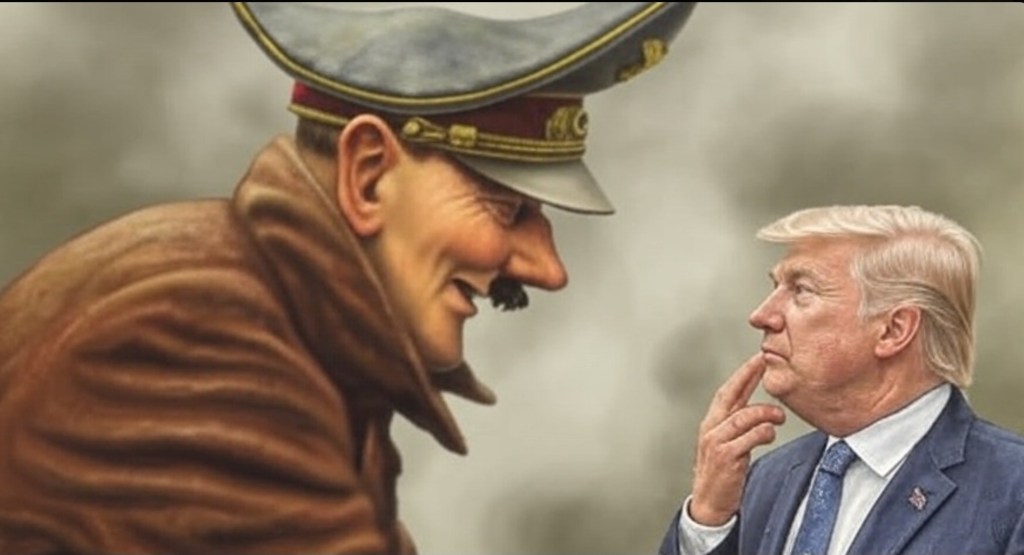
In a political landscape dominated by polarization, one refrain echoes louder than ever: Donald Trump and the Republican Party position themselves as the ultimate fixers, promising to “Make America Great Again” through bold actions on the economy, immigration, foreign policy, and more. Yet, as we approach the end of 2025, with Trump back in the White House for a second term, the evidence paints a starkly different picture. From domestic turmoil to global instability, there isn’t a single pressing question where Trump and the GOP emerge as a viable solution. Instead, their policies often exacerbate existing issues, create new ones, or fail to deliver meaningful progress. This isn’t mere partisan sniping—it’s a sobering assessment grounded in recent events, public opinion, and expert analysis.
The Economy: Tariffs, Shutdowns, and Unmet Promises
Trump’s economic playbook, heavy on tariffs and deregulation, was supposed to revitalize American industry and protect workers. In reality, it’s led to higher costs for consumers and businesses without addressing core inequalities. For instance, his tariffs on allies like Canada have been criticized as impulsive retaliations rather than strategic tools, destabilizing global markets and ignoring lessons from past presidents like Reagan, who used targeted tariffs sparingly. 36 Farmers and ranchers, already squeezed by monopolistic meatpackers, face further strain under these policies, with no clear relief in sight. 32
The ongoing government shutdown, tied to GOP demands influenced by Project 2025—a blueprint for radical executive restructuring—has highlighted this dysfunction. Republicans have been accused of portraying Democrats as the villains while pushing agendas that could erode personal freedoms and weaken the middle class. 14 15 Public opinion reflects this: Trump’s approval rating hovers around 41%, with independents at just 33%, and a majority believe he’s using federal law enforcement to target enemies rather than solve economic woes. 59 66
While some tout achievements like revoking Biden-era orders or passing rescissions packages to cut “wasteful” spending, these moves often align with Project 2025’s controversial goals, such as restricting abortion access and dismantling agencies—hardly broad-based economic wins. 1 8 Inequality, poverty, and homelessness remain unaddressed, as critics note Trump’s focus on theater over foundational reforms. 52
Domestic Policy: Division Over Unity
On issues like immigration and social services, the GOP under Trump has reshaped institutions but at a steep cost. Mass deportations and border crackdowns were promised as solutions to crime and economic strain, yet they’ve fueled chaos without tackling root causes like corporate exploitation. 7 Critics argue these policies bleed the country dry, echoing complaints about “illegal aliens” receiving benefits—though evidence shows the real drain comes from tax-evading elites, not vulnerable migrants. 23
Project 2025’s influence is evident in executive orders firing civil servants and freezing programs, moves decried as authoritarian overreach. 17 6 Polls show 56% of Americans believe Trump has gone “too far” in wielding presidential power, up from previous surveys, signaling eroding trust. 13 Even within the party, key voter blocs are ditching the GOP, jeopardizing their agenda. 28
Social issues fare no better. Efforts to restrict reproductive rights under Project 2025 have alienated moderates, with no corresponding gains in family support or healthcare affordability. 10 Trump’s rhetoric about “enemies from within” prioritizes domestic critics over real threats like Russia or China, fostering division rather than solutions. 20 29
Foreign Policy: Isolationism and Global Instability
Globally, Trump’s “America First” approach has strained alliances without curbing adversaries. His Nobel Peace Prize nomination from Cambodia’s leader is dismissed as flattery, while actions like bailing out foreign countries or golf trips abroad draw ire for hypocrisy. 30 26 Critics argue the U.S. system, amplified by Trump, acts as a “global parasite” provoking wars, with no shift toward genuine peace. 55
Public sentiment is split: 76% of Republicans think Trump improves government, but 78% of Democrats disagree, reflecting a polarized world view. 9 Moves like acquiring Greenland or tariffs on allies are seen as wasteful distractions from real geopolitical challenges. 52 Ultimately, Trump’s policies risk declining U.S. influence, not because of him alone, but due to the MAGA movement’s destabilizing force. 54
Conclusion: Seeking Real Solutions Beyond the Hype
Trump and the GOP may rally their base with promises of disruption, but 2025’s realities—shutdowns, overreach, and unmet needs—show they’re not the answer to America’s or the world’s questions. From economic inequality to global alliances, their approach often worsens problems or ignores them entirely. As one observer put it, the system needs foundational fixes, not more theater. 52 For true progress, we must look beyond partisan spectacles to policies that unite rather than divide. The world is watching, and so far, it’s not impressed.

