

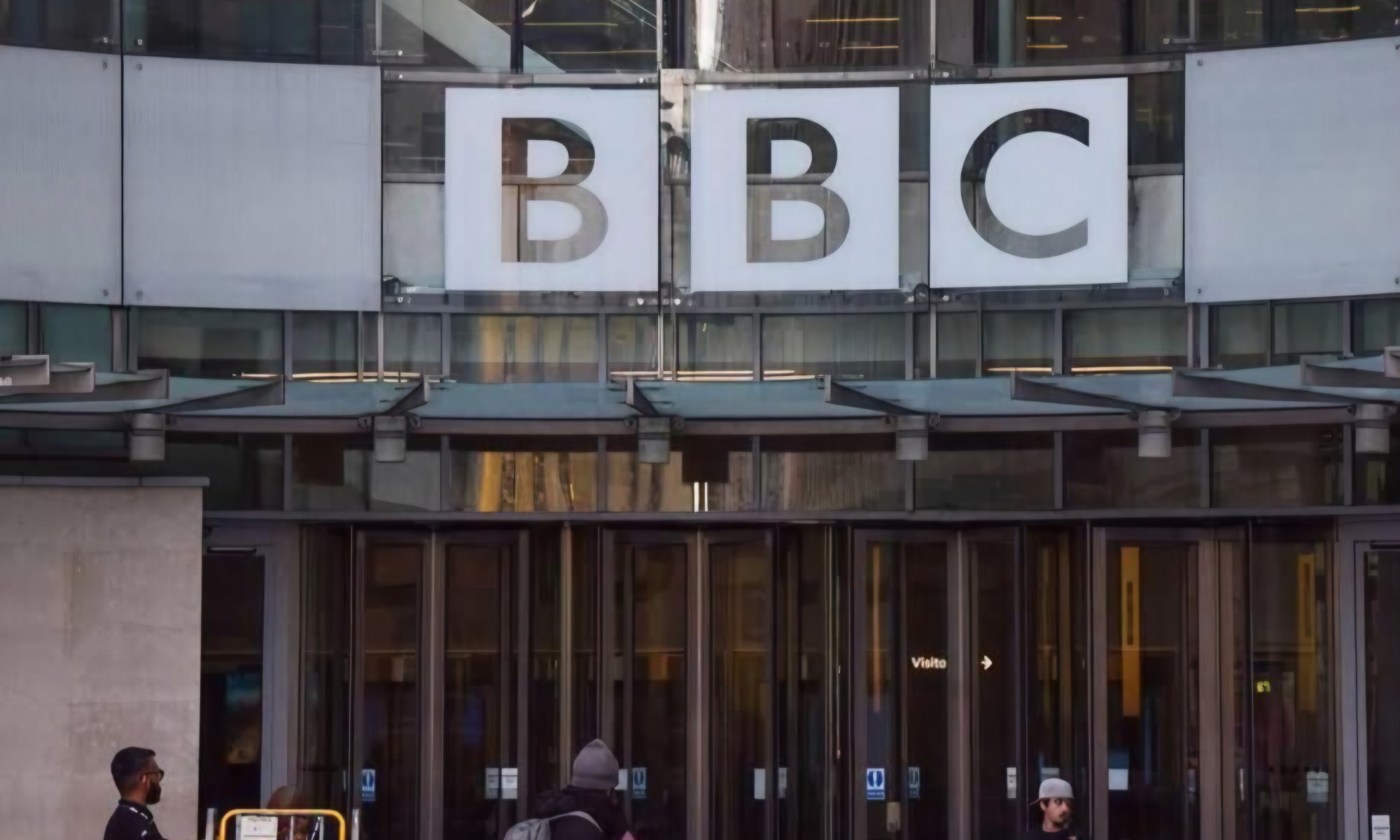
Donald J. Trump has filed a 33-page, $5-billion lawsuit against the British Broadcasting Corporation. Thirty-three pages. Five billion dollars. Against the BBC.
If litigation were performance art, this would already be hanging in the Tate Modern with a trigger warning.
The complaint alleges that the BBC, in a moment of editorial wickedness reminiscent of colonialism but with better lighting, edited Trump’s January 6 speech in a way that made him look like he incited a violent mob.
In Trump’s telling, this was not journalism. It was an act of war.
The Lawsuit That Mistook America for England
The first problem is geographical. Trump has sued the BBC in a U.S. federal court, presumably under the impression that American defamation law is just British libel law with a cowboy hat.
It is not.
In Britain, if someone calls you a horse thief, the burden is on them to prove you didn’t steal a horse. In America, you must prove:
the horse exists,
you didn’t steal it,
the defendant knew you didn’t steal it,
and still called you a thief while laughing maliciously.
This is called New York Times v Sullivan, and it is the reason American journalists sleep at night.
Actual Malice: Not Just Bad Manners
Trump is what the law calls a public figure. Not because he is famous, but because he will not stop talking.
To win, he must prove the BBC acted with “actual malice” — which, despite the name, does not mean:
bias
incompetence
poor editing
editorial judgment
being British
It means the BBC knew the edit was false or didn’t care whether it was true.
In other words, Trump must persuade a U.S. judge that BBC editors sat around a table saying:
> “This is false, but let’s run it anyway and ruin this man.”
Given the BBC’s usual pace of decision-making, this would require a miracle.
The Editing Scandal That Wasn’t Quite a Lie
Yes, the BBC edited Trump’s speech.
Yes, they spliced parts together.
Yes, they removed the “peacefully” line.
But under U.S. law, editing is only defamatory if it materially changes meaning.
Here’s the problem:
Even unedited, Trump still said:
“fight like hell”
“march to the Capitol”
immediately before a riot occurred
So the BBC will argue:
> “We didn’t invent the narrative. Reality did.”
And in American courts, substantial truth is a nuclear weapon. Once deployed, the case ends.
Opinion Is Not a Crime (Yet)
Another obstacle is that the BBC programme was political commentary.
U.S. courts are allergic to lawsuits that ask judges to referee politics. If courts started punishing news outlets for how they interpret political speech, half of cable news would be broadcasting from prison.
Under American law:
opinions are protected
interpretations are protected
historical narratives are protected
Trump is essentially asking a judge to declare:
> “This is the wrong way to understand January 6.”
American judges reply to this with a polite constitutional cough and throw the case away.
Jurisdiction: Or, Why Florida Is Not the World
The BBC is British.
The programme aired in Britain.
The editors sit in London.
America does not like being the world’s defamation police.
Trump must show:
meaningful U.S. broadcast
targeted American audience
real harm suffered in Florida
Otherwise, the judge will gently remind everyone that the Atlantic Ocean still exists.
The $5 Billion Injury to an Already Indestructible Reputation
Then there is the damages claim.
Trump says the BBC ruined his reputation.
This is bold.
Trump’s reputation has:
survived two impeachments
dozens of indictments
multiple bankruptcies
and Twitter
U.S. courts generally hold that if your reputation is already a full-contact sport, it is difficult to prove someone broke it.
Five billion dollars requires evidence, not vibes.
The Apology That Was Supposed to Save the Case
Trump points triumphantly to the BBC’s apology.
But apologies in American law are not confessions. They are often evidence of responsible journalism.
Courts like corrections. They reward them. They do not usually punish them with multi-billion-dollar verdicts.
Ironically, the BBC’s apology may save it.
The Florida “Deceptive Trade Practices” Side Quest
The lawsuit also claims the BBC violated Florida consumer law.
This is like suing a library for false advertising because you didn’t like the ending.
News is not commerce. Journalism is not shampoo. Courts dismiss this argument faster than a WhatsApp group invite.
Final Verdict
This lawsuit is:
legally weak
constitutionally fragile
jurisdictionally confused
But it is politically loud, fundraising-friendly, and excellent content.
Trump may lose in court.
But he wins airtime.
And in modern politics, airtime is the only damages that matter.
In America, defamation law protects speech.
In Britain, it protects feelings.
Trump has sued as if the Atlantic is optional.
Spoiler alert: it isn’t.

