

In the pantheon of African intellectual giants, certain names resonate for their profound impact on how the continent understands itself and its place in the world. In the crucial field of economics and development planning, few figures stand as tall or as foundational as Nigeria’s Professor Adebisi Adu. More than just an academic, Adu was an institution-builder, a policy architect, a federal minister, and a man whose personal life connected him to global cultural iconography. He dedicated his life to solving the puzzle of sustainable African development.
Born in 1926 in the then-British colony of Nigeria, Adebisi “Bisi” Adu’s early life was shaped by the ambitions of a rising nation. He belonged to an emerging elite class of Nigerians who seized the tools of Western education for the cause of self-determination. Educated at the prestigious University College, Ibadan, and later at Cambridge University, Adu was part of that pioneering generation of scholars who returned home, degree in hand, burning with the urgent task of nation-building.
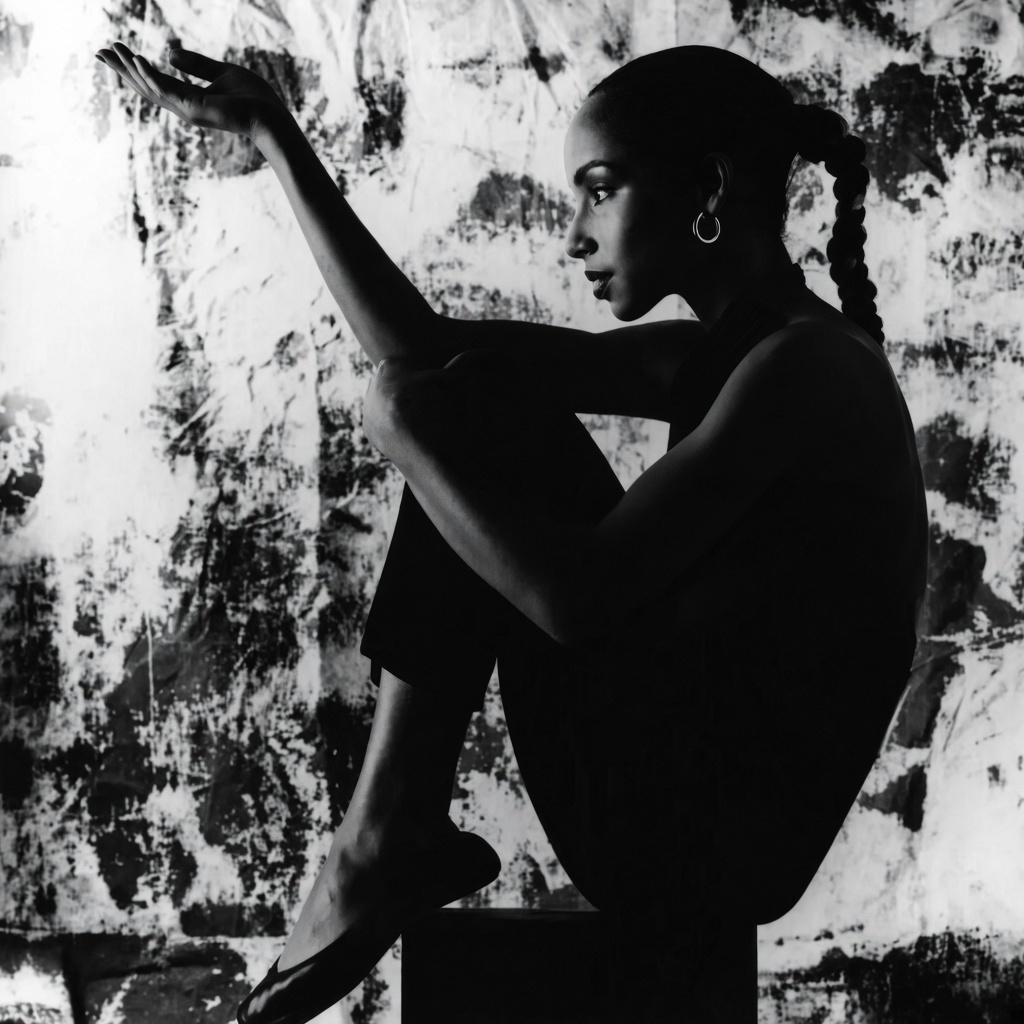
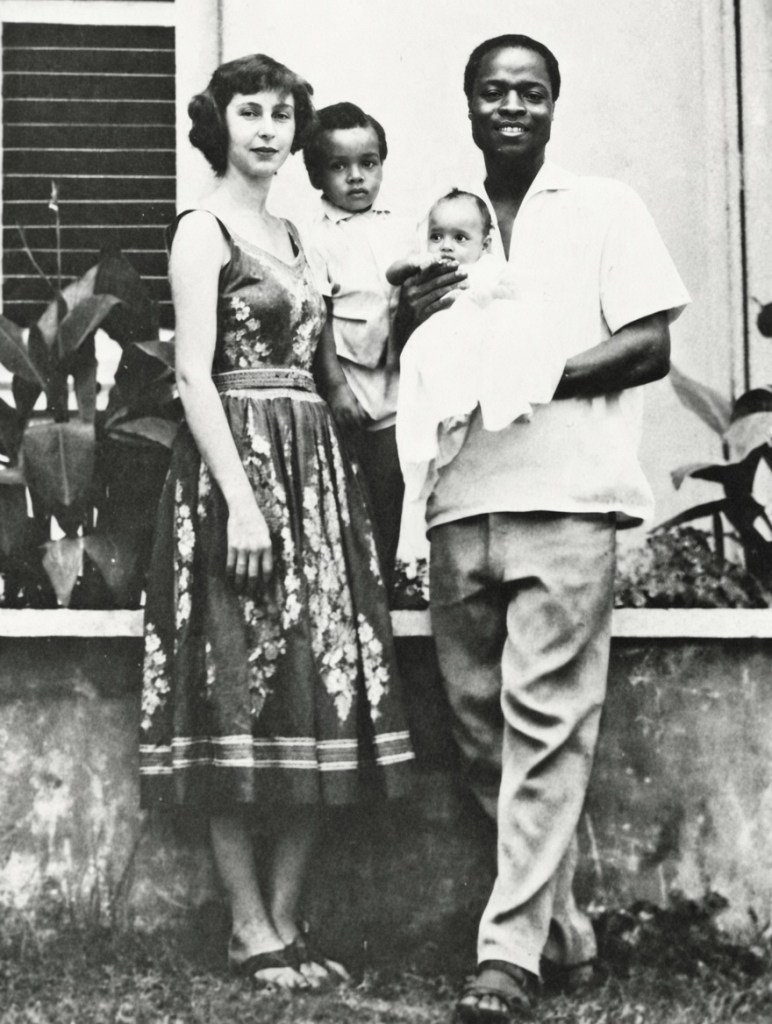
His personal life, though kept resolutely private in an era before celebrity culture, was marked by a significant intercultural marriage. While studying in London, he met and married an English nurse, Anne Hayes. Their union, a symbol of the post-war, pan-cultural optimism of the 1950s, produced four children. The most globally famous of these is their daughter, Helen Folasade Adu—the future legendary singer known mononymously as Sade. While Professor Adu and Anne Hayes separated when Sade was young, and he later remarried a Nigerian woman with whom he had more children, this early family history links one of Africa’s foremost economic planners to one of its most transcendent artistic voices. Sade’s own quiet dignity, precision, and fusion of influences subtly echo the intellectual bridges her father spent his life building.
Professor Adu’s professional career was a masterclass in applied scholarship. As the first Head of the Department of Economics at the University of Ife (now Obafemi Awolowo University), he cultivated a generation of thinkers grounded in the realities of the Nigerian economy. His expertise inevitably drew him into the highest echelons of governance. He served as the first Director of the National Manpower Board and was the chief architect of Nigeria’s First National Development Plan (1962-1968), the first comprehensive, home-grown blueprint for Nigeria’s economic future.
His pivotal advisory work led directly to a senior ministerial appointment. In 1971, he was appointed Federal Commissioner (the equivalent of Minister) for Economic Development and Reconstruction under the government of General Yakubu Gowon. In this role, he was the chief driver of national economic policy during the critical post-civil war reconstruction and the early oil boom, overseeing the Second National Development Plan (1970-1974).
Professor Adu’s legacy is defined by his prescient focus on human capital development. He warned against “growth without development,” foreseeing the dangers of a booming oil revenue that would outpace the nation’s technical and managerial capacity. His seminal work, The Developing Economy: A Handbook for Planners, argued for a pragmatic, mixed economy tailored to Africa’s realities.
Yet, his legacy is also poignant. The disciplined planning he championed as a minister was soon overwhelmed by the oil glut and political shifts of the late 1970s. The economic challenges that followed underscored the wisdom of his warnings.
Professor Adebisi Adu passed away in Nigeria in 1985. His funeral service was held in St John’s African Church Cathedral, Afao Ikere-Ekiti . He was buried in his family compound.
Sade Adu flew home upon receiving the tragic news of her father’s passing, returning to pay her final respects. At the funeral, during the service, the pastor stood, took the microphone, and unleashed a torrent of condemnation upon the lifeless body of Professor Adu.
With a voice like thunder and words like fire, he showed no mercy. Cold and seething, the pastor poured out his venom on the man in the coffin. “Though you were Ikere-Ekiti’s first graduate,” he declared, “you never truly associated with this town.” Not yet finished, he continued his verbal assault, admonishing the congregation to learn to be good and useful while alive. Then he delivered what felt like the final blow: “With all his education, can he now carry his certificates to the grave?”
The pastor argued that if the late professor could afford to marry three foreign women—a Swiss, a British, and an African-American—he surely could have afforded to paint the church or give generously to his townspeople. Satisfied, the pastor and his colleagues painted the deceased as a selfish and unworthy figure.
A young and grieving Sade, then just 26 and already an international star with her debut album ranked 8th in the UK, mounted the pulpit to defend her father—her hero. But words failed her. On her first attempt, she broke down in tears. She tried again, only to sob uncontrollably, her famous face streaked with agony and loss. Each effort to speak brought more tears, until finally, overwhelmed by shock and sorrow, she gave up.
The weight of the moment was too much to bear—a daughter’s love silenced by public cruelty at the very moment she came to honor her father
Today, he is remembered as a quiet architect of modern Africa—a man whose intellectual rigor helped shape a nation’s economic foundations, and whose personal history, as the father of Sade, created an unexpected but profound link between the disciplined world of developmental planning and the soulful, global realm of artistic expression. In both legacies, his was a life dedicated to building bridges and cultivating enduring value.


Bisi Adu died in 1985, not 1995. His funeral service was held in St John’s African Church Cathedral, Afao Ikere-Ekiti. He was buried in his family compound.
LikeLiked by 1 person
many thanks for your kind correction and the article has been updated
LikeLike