

Nigerian President Bola Ahmed Tinubu – a politician steeped in what political scientist Richard Joseph termed prebendalism (the use of public office to generate material resources for office-holders and their clients and cronies) – and previous Nigerian administrations have waged an inept counter-insurgency. Their gross incompetence and malfeasance, combined with the greed of a kleptocratic elite callously indifferent to the plight of their fellow citizens, has cast doubt on the future of Nigeria’s democracy.
Profligate politicians’ raids on the state’s coffers have left Nigeria’s military (once widely respected for its peacekeeping efforts in Liberia and Sierra Leone in the 1990s) and police in a parlous state – a major obstacle to tackling security challenges. Nuhu Ribadu, Nigeria’s national security adviser, has accused soldiers and police of selling and loaning their weapons to “bad people,” while some government officials are suspected of colluding with terrorists. U.S. sanctioning of such individuals would be immensely popular in Nigeria.
In such a volatile political atmosphere, attackers often go unpunished, and officials are rarely held accountable for failing to protect local populations. As a result, jihadist groups like Boko Haram and Islamic State West Africa Province have operated with impunity in northeast Nigeria for years. But what Trump and many others overlook is that these terrorists kill far more Muslims than Christians.
In Nigeria’s fertile Middle Belt, an equally explosive conflict has erupted between Muslim herders from the Fulani ethnic group – backed by powerful political and business interests – and mainly Christian farmers, resulting in some 12,000 deaths since 2010. But these disputes are about land, grazing rights, and water more than religion.
Meanwhile, the kidnappings in Nigeria’s northwest, which have spread to other parts of the country, are motivated largely by banditry. Despite Tinubu’s claims to have eliminated more than 13,500 terrorists since taking office in May 2023, the death toll continues to mount: Amnesty International estimates that at least 10,217 terror-related fatalities occurred over the same period.
Another possibility is that Trump is catering to white evangelical Christians, who continue to be among his strongest supporters. Christian nationalist and right-wing U.S. think tanks like the Heritage Foundation and the Gatestone Institute have fuelled false narratives of “Christian genocide” in Nigeria, a framing that was recently reinforced by U.S. Senator Ted Cruz. By threatening a humanitarian intervention in Nigeria, Trump can position himself as a staunch defender of Christianity.
The third explanation is that Trump is promoting racist stereotypes – he is playing the “white savior” trope – to shore up his MAGA (Make America Great Again) base. Trump has long said the quiet part out loud, emboldening white Americans to act on their most racist impulses. This year alone, he has falsely accused South Africa’s Black-led government of committing a “genocide” against white farmers, some of whom he invited to the U.S. as refugees, and expressed his disgust for Somali immigrants, dismissing them as “garbage” he does not want in the U.S. His new National Security Strategy openly called on Europe to halt immigration to ensure that it remains “European.”
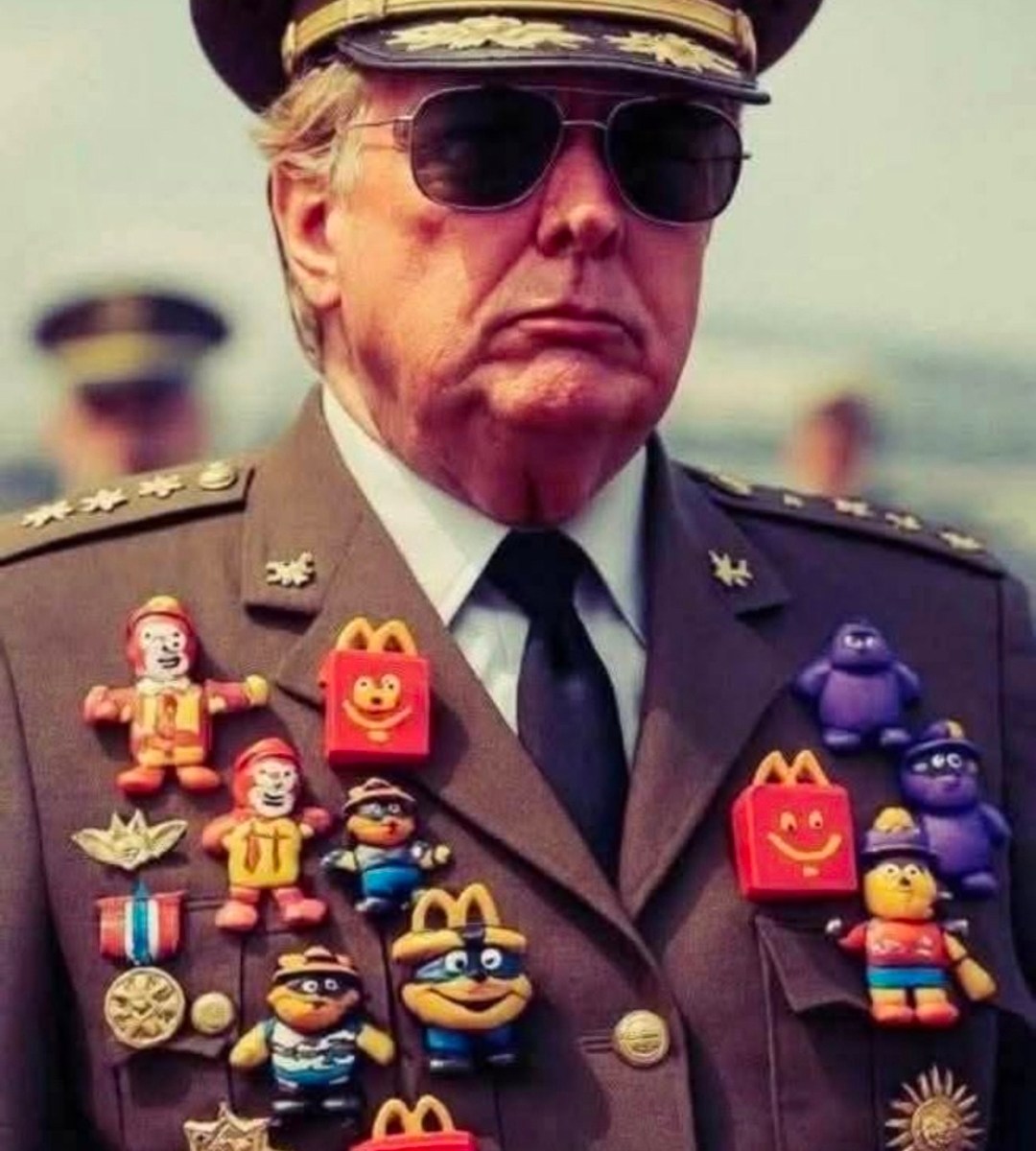
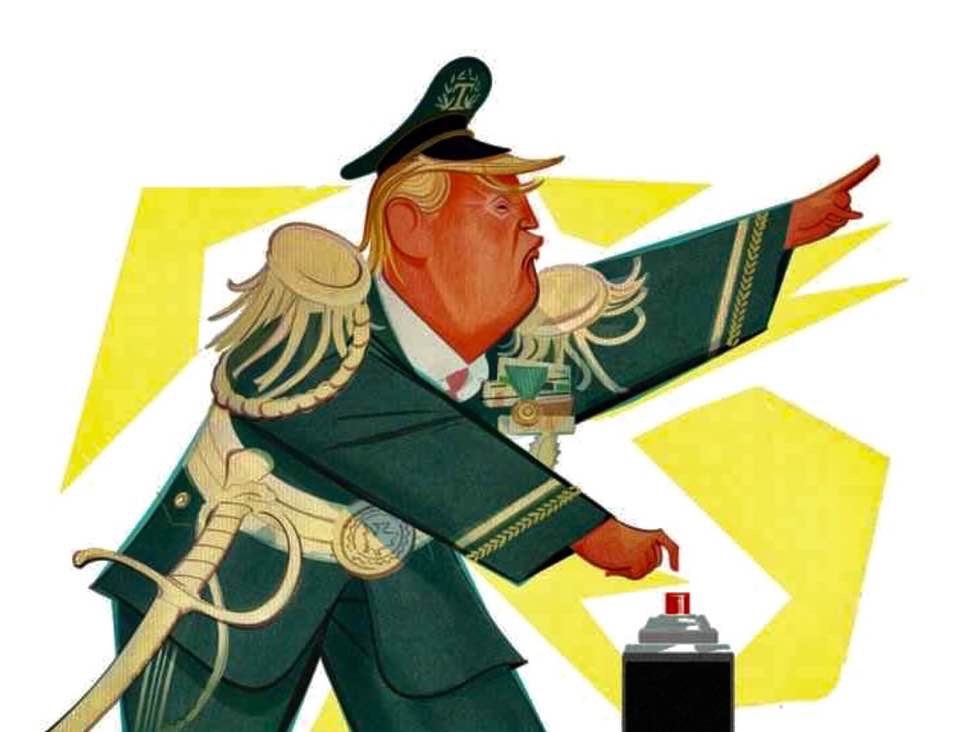
Anyone of these reasons, or some combination of them, suggests that Trump’s threats to invade Nigeria reflect an imperial mindset. While some Nigerians are grateful to this delusional wannabe emperor for highlighting their government’s security failings, for Trump and his MAGA base (and ethnonationalist allies in Europe), Nigeria is just part of a civilising mission focused on reviving an era of white Christian supremacy.
Prof. Adebajo is a senior research fellow, Centre for the Advancement of Scholarship (CAS),University of Pretoria (UP), South Africa.

