

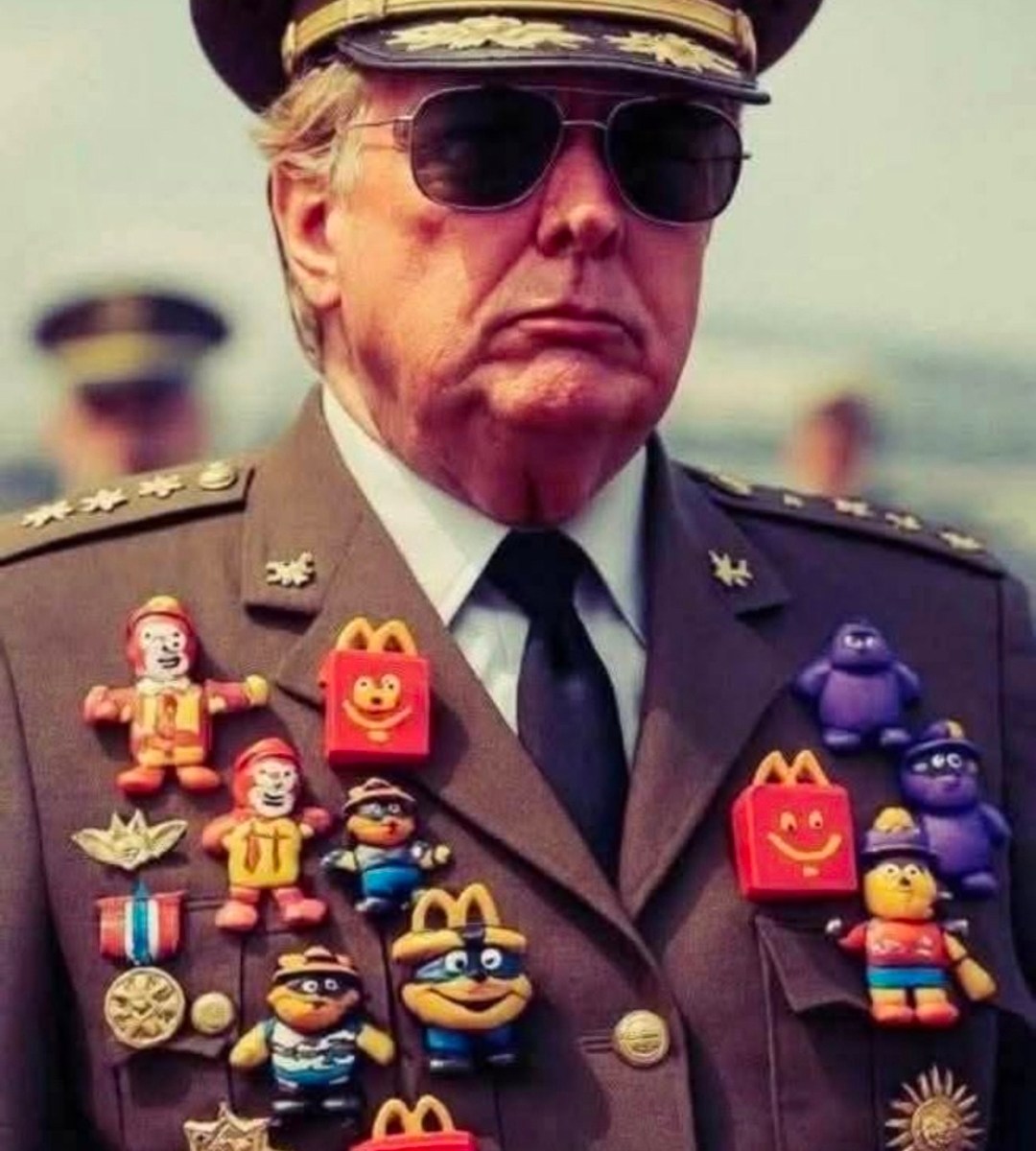

At about 2pm on Christmas Day—because nothing says “peace on earth” like a surprise airstrike—Donald J. Trump announced on his TruthSocial pulpit that he had ordered military strikes on ISIS camps in Nigeria. While most Nigerians were digesting rice, goat meat and unresolved family grudges, the Commander-in-Chief of Festive Chaos was busy pressing the “Tomahawk” button.
This, it must be said, did not come entirely out of the blue. The week before, the United States had quietly shut its consulates in Lagos and Abuja and announced that visa services would be suspended in the new year. In international relations, this is the diplomatic equivalent of packing your bags, leaving the keys on the table and muttering, “If anything explodes, it wasn’t me.” Syria, Iraq and assorted other unfortunate destinations will recognise the script.
Sure enough, shortly after Trump’s announcement, videos appeared online showing Tomahawk missiles being launched from US warships, apparently heading for Nigeria. One imagines Google Maps being consulted: “Is that Sokoto or Sokovia?” Close enough.
The US Defence Secretary and AFRICOM followed up with official statements, crediting the strikes squarely to Trump’s orders. All very decisive. All very presidential. All very Christmas-appropriate.
Then, at about 4pm, the Nigerian government logged into its X (formerly Twitter, formerly useful) account and announced that Nigeria, in collaboration with the United States, had struck terrorists in Northern Nigeria. Collaboration is doing a lot of heavy lifting here. The Foreign Affairs Minister later appeared on television, confidently explaining that Nigeria had supplied intelligence and coordinated the operation. Details, however, were scarce. Did the Nigerian military take part? He declined to say. Where exactly were the targets? Best not to ask. What was actually achieved? Don’t be difficult.
The truth, painfully obvious to everyone except those reading from prepared statements, is that this was an afterthought. The Nigerian government was as surprised as the rest of us. The difference is that ordinary Nigerians said “Ah!” and reached for their phones, while the government said “Yes, exactly as planned” and reached for a press release.
Because here’s the awkward question: if this was a joint operation, why were Nigerian military assets not used for impact assessment and theatre evaluation? Why was it local villagers—with better data plans than the Ministry of Defence—who posted photos of bomb craters and unexploded remnants online? Why were there no confirmed casualties, no known terrorists eliminated, no measurable outcome beyond a bruised national ego?
And if Nigeria had actionable intelligence, why outsource the job to Washington? This was not a mission requiring stealth bombers, space lasers or Captain America. It was not a case of “if only we had American gadgets.” If Nigeria could identify the targets, Nigeria could have acted. It simply didn’t.
Trump, for his part, had already framed the situation as a grand civilisational struggle between Christianity and Islam—an interpretation the Nigerian government firmly rejects, while nervously checking whether Trump has learned where Nigeria is on the map. Diplomatic efforts were made. The US House of Representatives even held hearings, which produced plenty of noise but no clear evidence supporting Trump’s dramatic framing. Congress hinted that military action was “receding,” largely because Nigeria was being cooperative. Congressmen visited Nigeria, inspected the situation, and encouraged the government to “do more,” which is international code for “sort yourselves out so we don’t have to.”
Then there was Trump’s domestic problem: unhelpful press coverage about his sordid association with Jeffrey Epstein. Faced with scandal, Trump did what he does best—changed the subject by blowing something up very far away. The Epstein headlines disappeared, his religious base was reassured that he was smiting the correct enemies, and Nigeria became an accessory in America’s internal culture war.
Caught off guard and keen not to look like a startled deer in the headlights, the Nigerian government did what it does best: gaslight the population. It pretended not to be an innocent bystander. It claimed initiative. It wrapped itself in borrowed military glory and hoped nobody would ask follow-up questions.
Unfortunately, follow-up questions exist. Why Sokoto, of all places? Why not Borno, Zamfara, Benue, Plateau or Niger states—the actual epicentres of terror? What strategic gain was achieved? Who was neutralised? What changed on the ground? The answer, regrettably, is nothing. A nothing-burger served with a side of wounded pride.
And then there is the Nigerian media, bravely reporting from their sofas. With no presence in the affected areas, they recycled US press statements, hosted opinionated talking heads and confused speculation for analysis. Facts were optional. Context was missing. History and precedent were left at the airport—probably waiting for a visa interview that will now never happen.
In the end, everyone failed. Trump got his distraction. Nigeria got bombed “in collaboration.” The terrorists, presumably, got a good laugh. And Nigerians got yet another reminder that in the global theatre of absurdity, we are often the stage, rarely the directors, and never consulted about the script.
Compliments of the seasons.

