

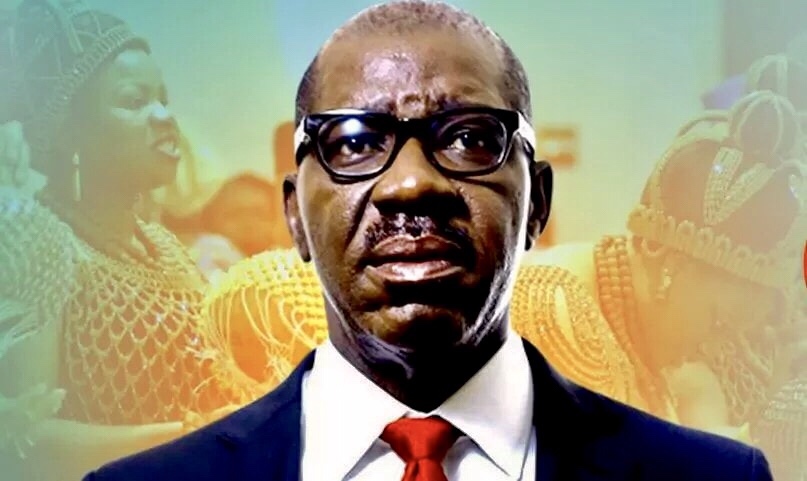
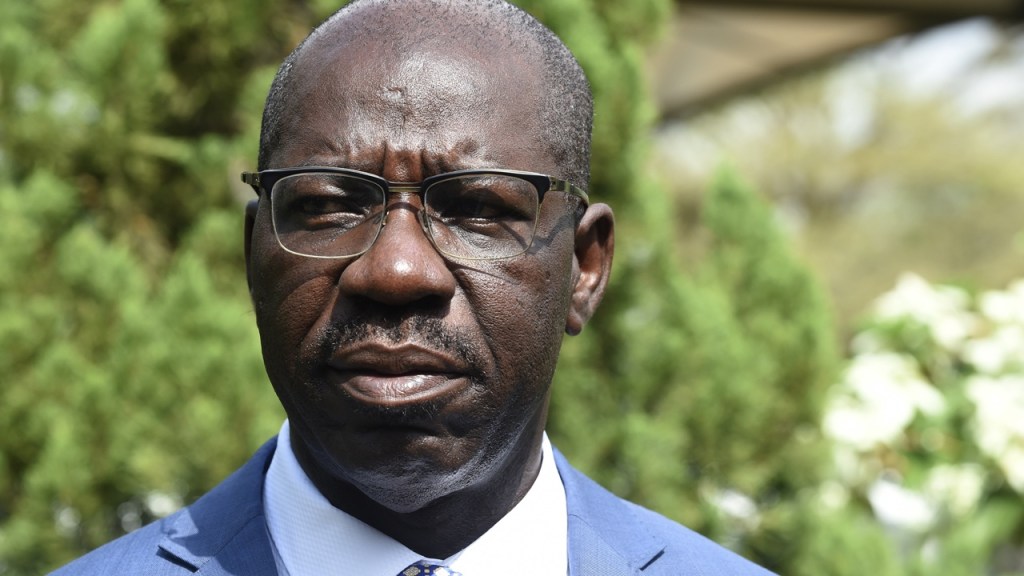
Godwin Obaseki, former Governor of Edo State (2016–2024), faced several high-profile controversies during and after his tenure. These often centered on political rivalries, governance decisions, cultural heritage, and post-administration probes.
Below is a summary of the key ones, based on reported events up to late 2025.
1. Party Defection and Fallout with Adams Oshiomhole (2020)
Obaseki was elected governor in 2016 under the All Progressives Congress (APC), backed by his predecessor, Adams Oshiomhole. Their relationship deteriorated, leading to Obaseki’s disqualification from the 2020 APC primaries over alleged certificate issues. He defected to the Peoples Democratic Party (PDP) in June 2020 and won re-election. Critics called it betrayal; supporters viewed it as resisting “godfatherism.” Oshiomhole’s removal as APC national chairman was linked to this feud.
2. Certificate Forgery Allegations (2020–2021)
During the 2020 election, APC accused Obaseki of forging his University of Ibadan degree and NYSC certificate. Courts, including the Supreme Court, dismissed the cases, ruling no forgery occurred (NYSC reissued a corrected certificate, admitting error). Obaseki described it as a “diabolical” opposition plot.
3. Dispute with Benin Palace over Repatriated Artifacts (2021–ongoing)
A major rift emerged with Oba Ewuare II over custody of looted Benin Bronzes being repatriated from Europe. Obaseki supported the Edo Museum of West African Art (EMOWAA/MOWAA), a modern facility backed by international partners. The Oba insisted artifacts belong to the palace and opposed diverting them to a state/private entity. In 2023, President Buhari gazetted ownership to the Oba, complicating returns. Tensions included accusations of withheld palace funds (for seven months, per the Oba in 2025) and family disputes (e.g., public shaming of relatives like Don Pedro Obaseki).
4. Feud with Deputy Governor Philip Shaibu (2023–2024)
Obaseki sidelined Shaibu, leading to impeachment attempts and Shaibu’s defection to APC. Shaibu accused Obaseki of authoritarianism; Obaseki denied plots but alleged Shaibu planned defection.
5. Governance and Assembly Crises
- Refused to inaugurate 14 APC-elected lawmakers (2019–2020), leading to a partial assembly and accusations of undermining democracy.
- Banned Okaigheles (community youth leaders) in Edo South for security reasons, seen by some as targeting traditional structures.
- Personal attacks during 2024 campaigns, e.g., Oshiomhole’s comments on Obaseki’s wife being childless.
6. Post-Tenure Probes and Vendetta Allegations (2025)
After Monday Okpebholo (APC) succeeded him in 2024:
- Okpebholo’s administration probed MOWAA funding, revoked its land certificate, and invited Obaseki to testify (he refused, calling it “offensive”).
- Allegations of N600bn debt left behind (Obaseki denied).
- Criticism of “uncompleted” commissioned projects, failed education reforms (EdoBEST), and infrastructure neglect.
- Obaseki accused Okpebholo of sponsoring attacks on him in the UK (Manchester/Birmingham events) and political vendetta.
- PDP defended Obaseki’s legacy (infrastructure, reforms); APC called his rule confrontational and marked by “betrayals.”
These controversies highlight tensions between modern governance, traditional authority, and partisan politics in Edo State. Obaseki’s supporters praise his reforms in education, health, and economy; critics accuse him of arrogance and alienating allies. Many issues remain politically charged as of December 2025.
 Centre for Nigeria Progress