


Ah, remember when political language was a warm blanket? A time when speeches were stitched together with phrases like “holistic stakeholder engagement,” “robust policy alignment,” and “my distinguished friend across the aisle, whose ideas I find profoundly misguided but spiritually enriching.”
C-SPAN wasn’t television; it was a public service announcement for sleep. White noise with a pension plan. Beautiful.
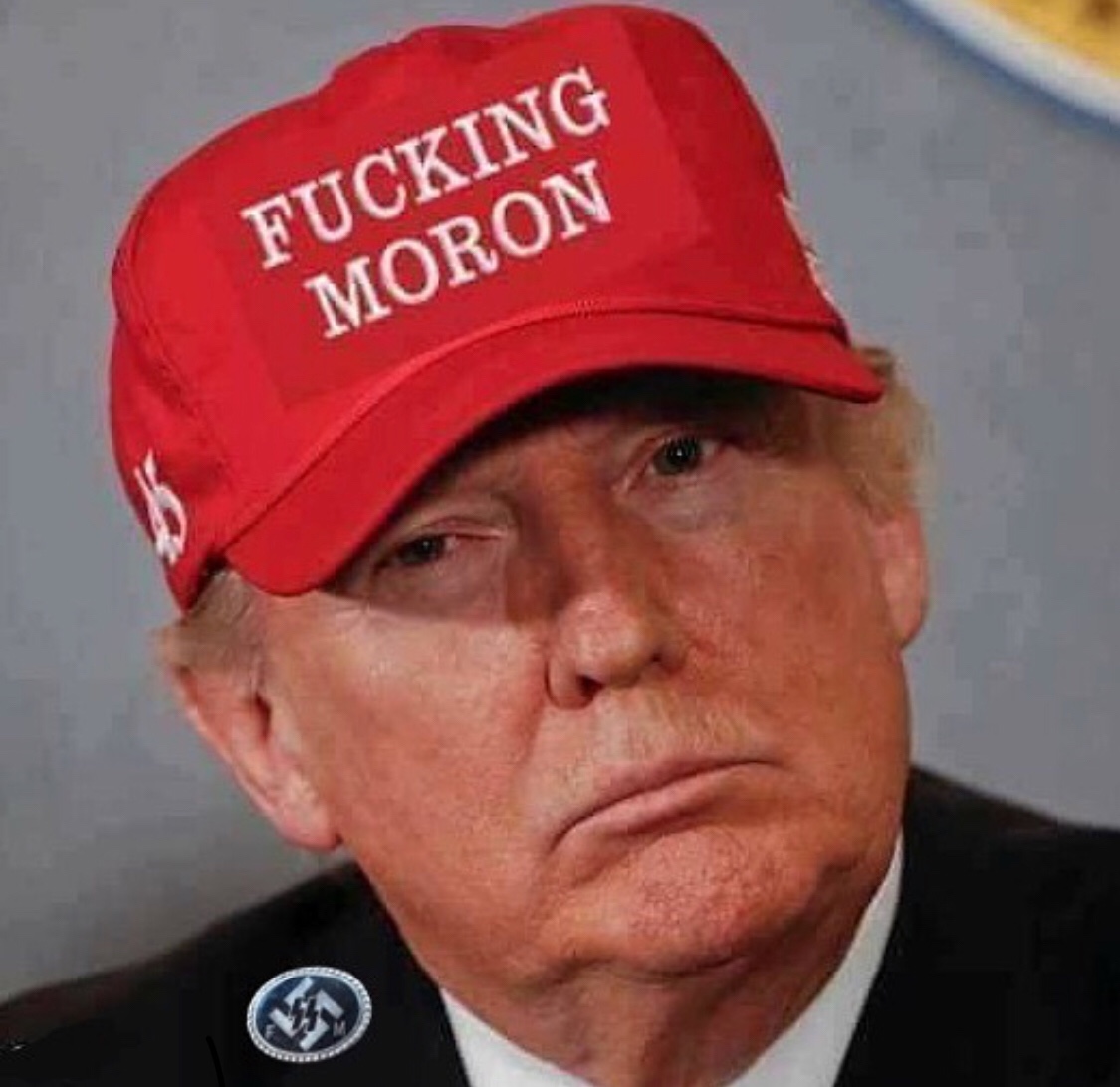
Then along came Trump—less a candidate, more a cultural meteor—and the filter didn’t just slip. It was shot, buried, and its grave turned into a golf course.
The Before Era: When Everyone Spoke Fluent Nonsense
Once upon a time, politicians communicated exclusively in interpretive dance, but with words.
“I misspoke” translated to “I lied and you noticed.”
“A frank exchange” meant “there was shouting and a PowerPoint was weaponised.”
“I’ll take that under advisement” meant “this suggestion will be incinerated before sunset.”
It was dull. Predictable. Respectable in the way beige wallpaper is respectable. We all pretended not to understand the code, even as we nodded along like trained seals in suits.
Then the Dam Burst
Voters, exhausted by the choreography, demanded honesty. “Say it straight! Speak your truth! Drop the script!”
Enter Trump, that mischievous genie of American politics, who heard this and replied: “Bet.”
He didn’t just remove the filter—he live-streamed his subconscious. What followed was politics as professional wrestling: nicknames, exaggeration, insults lobbed with the subtlety of a brick through a window. Rally speeches sounded less like policy platforms and more like Yelp reviews written by someone who’d just been denied a refund.
Debate gave way to verbal cage fights. Metaphor died. Subtlety fled the country.
The Imitators: When Everyone Thinks They’re Funny
Here lies the real farce: the copycats.
Watching other politicians attempt this “raw authenticity” is like watching your uncle discover memes. A man who once referred to colleagues as “my honourable friend” suddenly squints at the camera and growls, “My opponent is a total loser.”
Sir, please. You chair the Subcommittee on Agricultural Zoning. Sit down.
These attempts at edginess land with a thud. It’s forced. Awkward. Like a corporate team-building exercise where everyone is told to “roast each other.” The old script was boring, yes—but this new one feels like bad improv performed by people terrified of being booed.
Welcome to the Loud Room
And so here we are. The filter lies in ruins. The old language of politics feels antique now—like fountain pens or shame.
We asked for authenticity. We got caps-lock tantrums, a fixation on nicknames, and an entire ideology built around calling people “weak.” The discourse hasn’t matured; it’s just been relocated to a louder room with worse lighting and no chairs.
It’s like asking the chef to “spice things up” and watching him empty the entire rack into the soup. Sure, it’s memorable. But everyone’s sweating and nobody can taste the carrots.
So next time you hear someone demand that politicians “speak without a filter,” tread carefully. You may not get clarity. You may just get noise. And when the noise settles, you’ll realise we’re not arguing about healthcare, education, or budgets.
We’re just scoring insults.
And unfortunately—for reasons science may never fully explain—the ratings are absolutely, unmistakably… yuge.

