


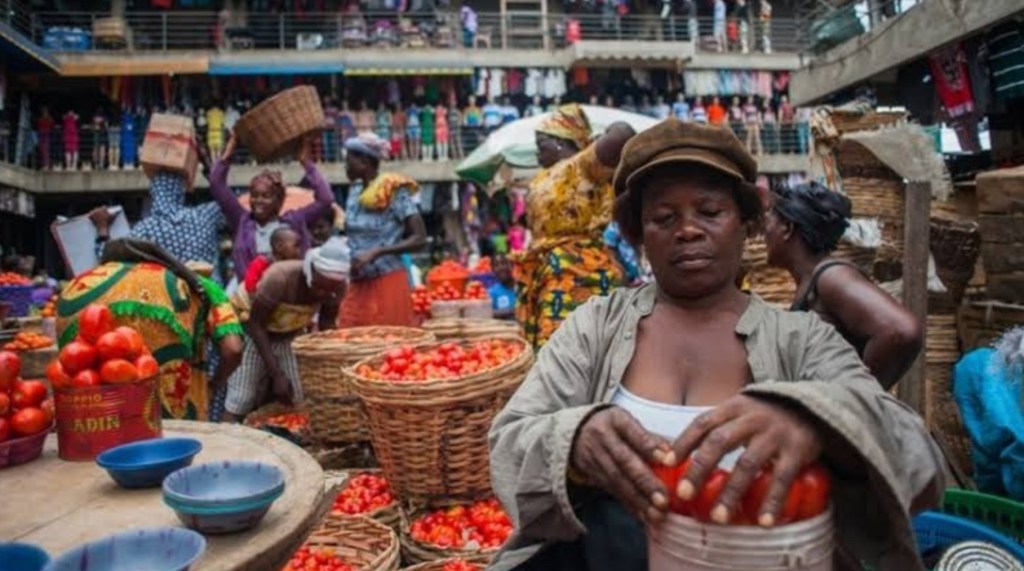
In Edo State, Nigeria, the primary responsibility for markets — including their development, management, maintenance, and reconstruction — lies with the local government level.
According to the Government of Edo State framework (as outlined in official sources like Wikipedia and state descriptions), the 18 Local Government Areas (LGAs) in Edo State are tasked with “market development” as one of their key functions.
This includes providing essential services and amenities at the grassroots level, such as:
– Primary education
– Primary health care
– Environmental sanitation
– Waste management
– Road maintenance
– Market development
– Agricultural extension
– Community development
This aligns with Nigeria’s federal structure, where local governments handle residual powers (matters not on the exclusive (Federal) or concurrent (both state and federal) lists in the 1999 Constitution), and markets fall under local jurisdiction in practice.
For instance: – Major markets like Oba Market in Benin City (located in Oredo LGA) are frequently referenced in connection with local government areas, with descriptions noting their economic role within specific LGAs. – Local governments oversee day-to-day operations, revenue from markets (e.g., stalls, fees), and trader associations.
However, the state government often intervenes in significant projects, especially for major or historic markets.
A clear example is the ongoing reconstruction of Oba Market (damaged by fire years ago), which is being directly funded, supervised, and driven by the Edo State Government under Governor Monday Okpebholo.
The state has approved the project, set a June 2026 completion target, and is transforming it into a modern facility with features like stalls, shops, a crèche, sick bay, and mini fire station — fulfilling a campaign promise and aligning with broader state economic goals.
In summary:
– Routine management and development → Primarily local governments (LGAs).
– Major infrastructure/reconstruction → Often led by the state government, especially for high-profile or capital-city markets like Oba Market.
This division reflects how Nigeria’s three-tier system works in practice for local economic hubs like markets.
 Centre for Nigeria Progress