

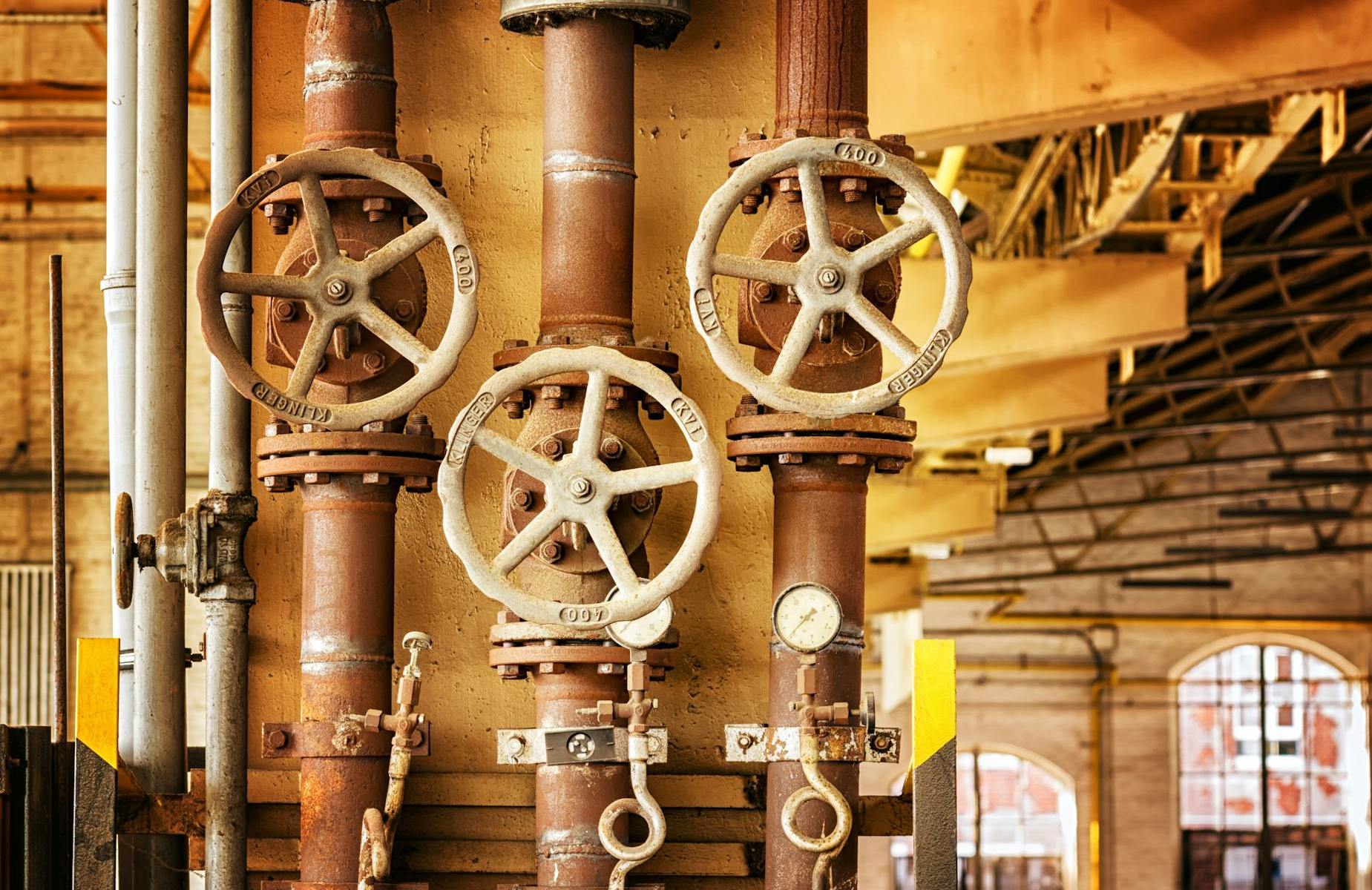
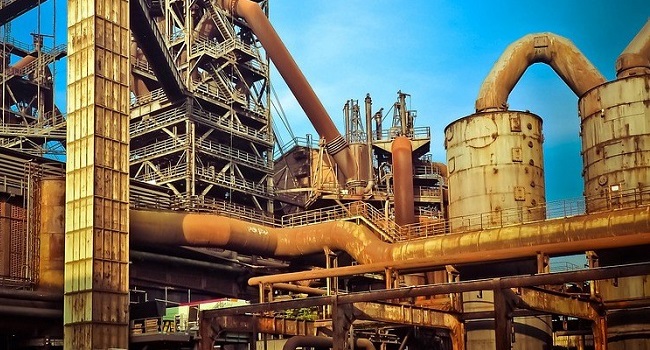
The Federal Government has proposed a N6.69 billion allocation for Ajaokuta Steel Company Limited in the 2026 fiscal year, once again highlighting the heavy fiscal cost of sustaining a non-operational industrial giant more than four decades after it was conceived.
There is a peculiar kind of genius in running a place so efficiently that nothing ever happens. The British perfected this art and kindly documented it for posterity in “Yes Minister” . In one memorable episode, a minister proudly tours a spotless, fully staffed hospital—doctors, nurses, administrators, all at attention—only to discover there are no patients. None. Zero. The hospital, he is told, has just won an award for being the cleanest in the country. No patients, no mess, no complaints. Management excellence at its finest.
Nigeria, never one to be outdone, produced a real-life sequel. It is called Ajaokuta Steel Company Limited.
Ajaokuta is not a factory in the ordinary, vulgar sense of the word—where things are made. It is a philosophical concept. A monument. A national meditation centre where steel is contemplated deeply, respectfully, and eternally postponed. It is a steel company in the same way a parked car is a journey. It has perfected masterly inactivity.
For decades, Nigerians have “worked” at Ajaokuta. They arrive in the morning. They clock in. They attend meetings. They fill forms. They submit reports. They retire. Some have even collected pensions—all without the inconvenience of producing steel. This is productivity elevated to a higher plane of existence.
If Yes Minister were Nigerian, Sir Humphrey would have been seconded to Kogi State long ago.
The technology at Ajaokuta is proudly Soviet-era—back when the Berlin Wall was still standing and optimism was a state policy. It was cutting-edge in its time, assuming its time is frozen somewhere around 1979. Since then, the world has moved on to digital manufacturing, green steel, and artificial intelligence, while Ajaokuta has remained faithful to its original ideological position: steel must never be rushed.
Successive Nigerian governments have poured money into Ajaokuta with the consistency of religious tithing. Billions have been spent on “revival”, “completion”, “resuscitation”, “re-conceptualisation”, and my personal favourite, “technical audit”. The plant has been completed so many times that it should, by now, be issuing certificates of completion to itself.
Each administration promises that Ajaokuta will “soon begin production”. Soon, in Nigerian official language, is a flexible constitutional concept. It can mean six months, six years, or the Second Coming—whichever occurs first.
Yet, like the Yes Minister hospital, Ajaokuta excels in the metrics that truly matter. It is probably the cleanest steel plant in Africa. No molten metal to spill. No smoke to pollute the air. No finished products cluttering the warehouse. Environmentalists should be delighted. Even the machines have been preserved in near-museum condition—unused, unbothered, and eternally hopeful.
And then there is the workforce: engineers who have never engineered steel, technicians who have perfected the maintenance of inactivity, and administrators whose core KPI is ensuring that nothing changes too suddenly. In any rational country, this would be called absurd. In Nigeria, it is called continuity of service.
The tragedy of Ajaokuta is not just the money wasted, but the normalisation of the absurd. We have accepted a steel company without steel as if it were a natural phenomenon—like rain in July or power outages after paying your electricity bill. We discuss Ajaokuta in policy circles with straight faces, as though it has not become the greatest long-running sitcom never aired on television.
Perhaps that is the real lesson. Ajaokuta is not an industrial project; it is performance art. It is Nigeria’s most expensive stage play, featuring rotating casts of ministers, committees, foreign partners, and white papers. The plot never changes, but the actors do.
In Yes Minister, the joke was that bureaucracy exists to preserve itself, not to deliver outcomes. In Ajaokuta, Nigeria adapted the joke into a national infrastructure project.
The hospital had no patients.
The steel company has no steel.
Both are immaculately run.

