


There was a time—mythical now, like steady electricity—when membership of the Nigerian professional class carried with it an assumption of integrity. Judges were presumed to judge, doctors to heal, lawyers to argue cases rather than negotiate outcomes in corridors. Today, that assumption feels dangerously nostalgic. What we are witnessing is not isolated misconduct, but a systemic descent: a slow, grinding erosion of professional ethics, accountability, and ultimately governance itself.
Two recent and troubling episodes—one from the temple of justice, the other from the theatre of medicine—illustrate how far down the abyss we have travelled.
Justice as Performance Art
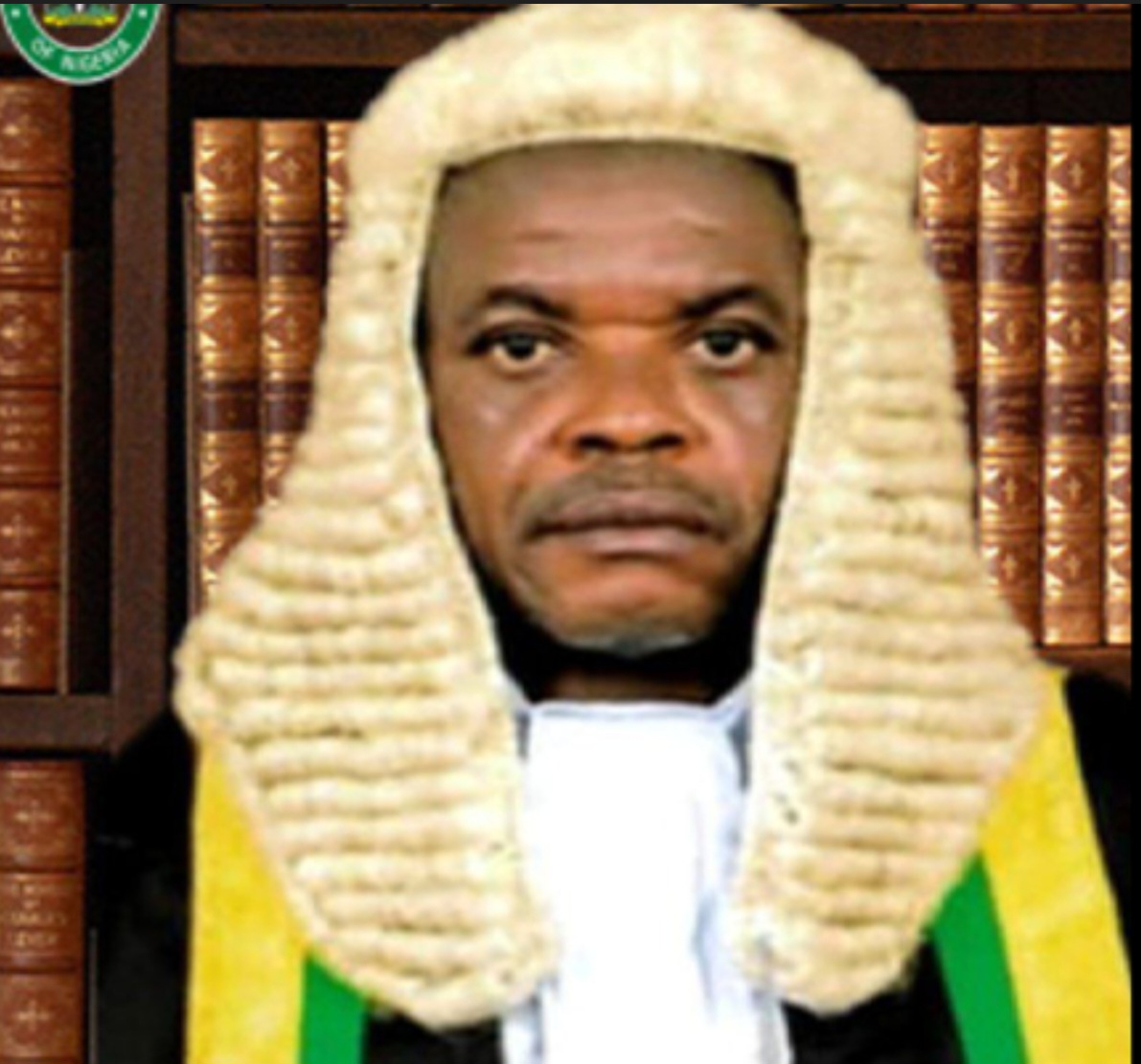
At the Federal High Court in Abuja, Justice Polycarp Nwite was sitting to hear a bail application in the trial of a former Attorney-General of the Federation, Abubakar Malami, alongside his wife and son, on charges that include money laundering and aggravated pillage of Nigeria’s patrimony. Serious charges. The kind that ought to inspire judicial sobriety, restraint, and silence beyond what is strictly necessary.
Instead, Nigerians were treated to what can only be described as judicial spoken word poetry.
After granting bail, the learned judge reportedly launched into a lengthy, unsolicited monologue, announcing—pre-emptively and dramatically—that unnamed senior lawyers had approached him to “go easy” on the accused. He assured the courtroom, God, man, and presumably the Nigerian public that he was incorruptible, divinely appointed, and allergic to compromise.
This is where the problem lies.
A judge who is truly independent does not need to advertise it. Judicial integrity is not proven by speechifying from the bench but by rulings grounded in law and reasoning. Courts are not TED Talk stages. When a judge feels compelled to narrate alleged attempts at influence—without naming names, recording affidavits, or triggering disciplinary processes—it raises more questions than it answers.
If senior lawyers indeed attempted to compromise the case, why no formal report to the Legal Practitioners Disciplinary Committee? Why no referral to law enforcement? Why no contempt proceedings? A system that treats allegations of professional misconduct as anecdotal garnish rather than institutional failure is not a system serious about reform.
What we are left with is theatre masquerading as transparency—and a justice system where performance increasingly substitutes for the process.
Medicine Without Mercy
If the judiciary’s failure wounds the abstract idea of justice, medical negligence wounds flesh and blood.
Renowned author Chimamanda Ngozi Adichie’s public demand for accountability following the death of her 21-month-old son, Nkanu Nnamdi, at a private hospital in Lagos is a chilling reminder that professional collapse is not academic—it is lethal.
The allegations are stark and deeply disturbing: questionable cumulative dosing of propofol in a critically ill child; deep sedation without adequate airway protection; failure to ensure continuous physiological monitoring. Even more alarming are claims that the child was transferred without supplemental oxygen, without proper monitoring, and without sufficient medical personnel.
Parents further allege the absence of basic resuscitation equipment, delayed recognition of respiratory or cardiovascular compromise, and a wholesale failure to comply with established paediatric anaesthesia and patient safety protocols.
These are not obscure technicalities. They are foundational principles of modern medicine. Their breach suggests not just individual negligence, but institutional rot—a system where protocols exist on paper, while improvisation reigns in practice.
The Common Thread: No Consequences
What unites these episodes is not just malpractice, but the absence of systematic redress.
In Nigeria, professional bodies are often louder in defending their own than disciplining them. Judicial councils whisper. Medical boards procrastinate. Bar associations issue statements heavy on solidarity and light on sanctions. Accountability, when it arrives at all, comes late, diluted, and politely phrased.
This professional impunity feeds directly into Nigeria’s broader crisis of governance. A state cannot function where judges perform integrity instead of enforcing it, and doctors operate without fear of consequence. When elite professions abandon self-regulation, the public loses faith not only in institutions, but in the very idea of competence.
The result is predictable: justice becomes arbitrary, healthcare becomes a gamble, and citizenship becomes an exercise in managed despair.
Governance Begins with Standards
Nigeria’s governance problem is often discussed in terms of politicians, elections, and constitutions. But governance also lives—or dies—in courtrooms and hospitals. A country where professionals are not held to account is a country that has quietly accepted mediocrity, recklessness, and moral exhaustion as the national norm.
Until judges speak less and discipline more, until doctors are regulated with the seriousness their power over life demands, and until professional bodies remember that ethics are not optional extras, the descent will continue.
The abyss, after all, does not announce itself. It opens gradually—one speech, one botched procedure, one unpunished failure at a time.

