

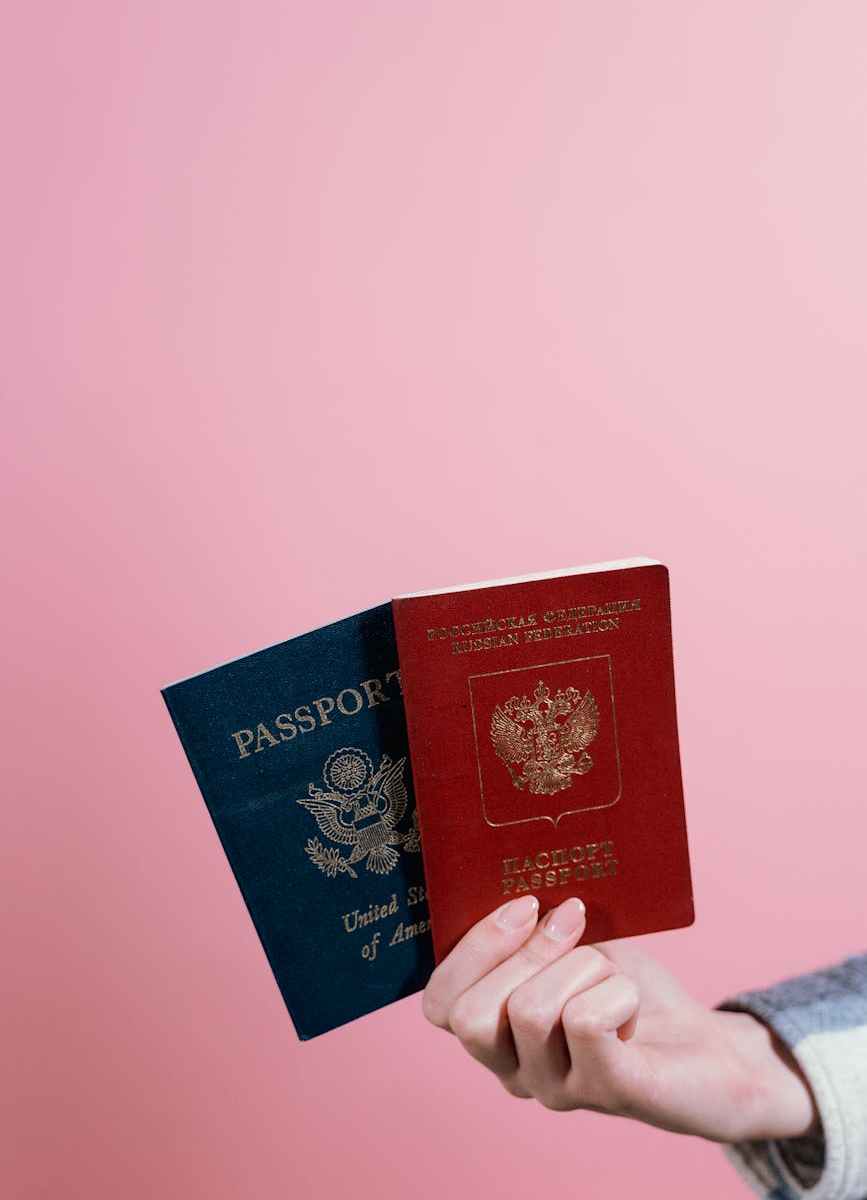
Dual citizens face new rules to enter the UK from 25 February.
British dual citizens will face tough updated rules when entering the UK from overseas, under new government guidelines.
New rules that come into effect from the end of February will mean that dual citizens can only use a current British passport to enter the country – and not the passport of the country where they hold dual citizenship.
It means that any British national attempting to enter the country will be refused entry unless they present their British passport or a certificate of entitlement to prove their status.
The changes, which apply to all British and Irish dual citizens abroad, are part of the Home Office’s rollout of the Electronic Travel Authorisation (ETA) scheme, designed to enhance border security.
A Home Office spokesperson said: “Digitising the immigration system using ETAs ensures millions of people enjoy a more seamless travel experience to the UK.
“ETAs also give us greater power to stop those who pose a threat from setting foot in the country and gives us a fuller picture of immigration.”
What are the current dual citizenship passport rules in the UK?
The UK recognises dual citizenship, allowing people to hold British nationality alongside another passport without losing their rights.
There has never been a strict legal requirement for British citizens to enter the country using a British passport.
As a result, dual nationals – particularly those holding passports from visa-exempt countries such as Australia, Canada or EU states – can travel to the UK on their non-British passport.
If asked, travellers are usually able to confirm their British status at the border using alternatives like an expired British passport, a naturalisation certificate or proof of the right of abode.
A certificate of entitlement, which proves the passport holder has the right to stay in the UK, can also be used.
How are the British dual citizenship passport rules changing?
From 25 February, when the ETA scheme comes into full force, most visitors from visa-exempt countries will need to obtain digital permission to travel before departure, typically costing £16 and remaining valid for two years or until the passport expires.
While British and Irish citizens – including dual nationals – are exempt from ETAs, they will no longer be able to rely on a non-British passport to enter the UK.
Instead, they must present a valid British passport, a valid Irish passport where applicable, or by using a certificate of entitlement.
The certificate costs £589 when applied for from outside the UK or Ireland and must be renewed each time a new passport is issued.
A standard British adult passport costs £94.50, while an Irish passport costs €75.
Anyone without the required documents may face extra checks at the border, lose access to e-gates, or be denied boarding altogether by carriers who risk fines.
The changes do not affect citizenship rights as British nationals retain an automatic right of entry, but the rules surrounding the practical evidence required to prove their status have been tightened.
The Home Office has urged dual nationals to prepare for the changes now to avoid any delays.

