


Sometimes I sit quietly and ask myself a dangerous question: what exactly are the values of Nigerian politics, and how do they benefit the ordinary Nigerian?
I ask because since the rebirth of party politics in May 1999—also known as The Great Return of Hope™—the ordinary Nigerian has been waiting patiently for dividends that appear to be stuck in customs.
Twenty-six years on, I’m beginning to suspect that democracy arrived in Nigeria like a misplaced delivery: signed for by politicians, never received by the people.
Let us start with roads. Nigerian roads are no longer infrastructure; they are adventure parks. Every journey is a test of faith, suspension systems, and your relationship with your ancestors. Some roads have potholes so deep they qualify for local government autonomy. Others are so bad Google Maps simply gives up and says, “You’re on your own, my friend.”
Graduate unemployment has also blossomed beautifully—like a well-watered weed. We now produce graduates in industrial quantities and then abandon them to fate, prayer houses, and motivational quotes on Instagram. A Nigerian graduate today has three career paths:
1. Unemployment
2. Underemployment
3. “Let me learn a skill”
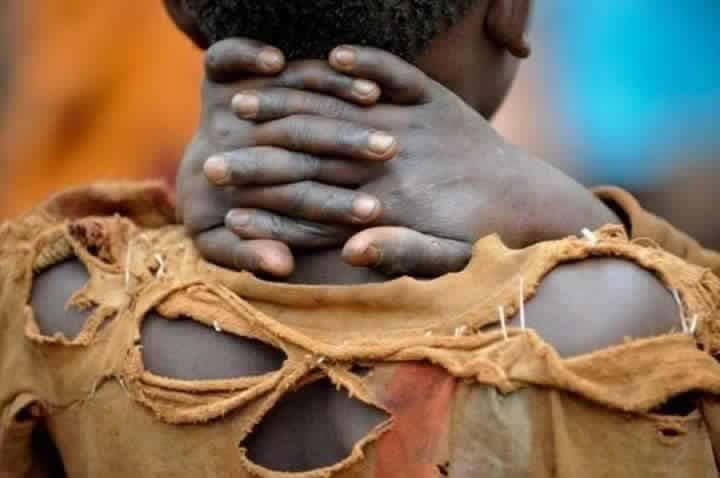
Meanwhile, life expectancy remains stubbornly unimpressed by all our political speeches. People live from hand to mouth, and sometimes the hand misses the mouth entirely. Poverty has expanded into a full national programme, though curiously it was never debated at the National Assembly.
The political class, however, is doing just fine—thank you very much. They care deeply about the welfare of their families, their extended families, their cronies, their cronies’ cousins, and occasionally their mistresses’ investment portfolios. Wealth acquired through bad governance is displayed openly, aggressively, and without shame—sometimes on Instagram, sometimes at weddings, sometimes through convoys long enough to cause traffic in neighbouring states.
In a proper democracy, the opposition acts as a watchdog—barking, biting, and occasionally drawing blood. In Nigeria, the opposition is more like a friendly house cat. They don’t bark. They don’t bite. They just wait patiently to be invited into government so they too can enjoy the kitchen.
In fact, Nigerian opposition parties are often in secret negotiations with the ruling party, not to rescue the people, but to rescue themselves. Ideology is irrelevant; principle is optional. What matters is access to the national cake, which Nigerians never get to taste but are constantly told is delicious.
Political competition here is not about policies or programmes. It is about who gets to punish the people next. Elections are less about governance and more about turnover—new people, same suffering, upgraded excuses.
Ironically, many of the people currently in power were once fiery opposition figures. Back then, they spoke fluent “good governance”. They criticised corruption with passion. They condemned insecurity with PowerPoint presentations. They promised roads, hospitals, and jobs with such conviction you would think they had blueprints.
Today, with power firmly in their hands, good governance has become elusive—like fuel subsidy savings. Roads are still death traps. Hospitals are glorified waiting rooms for disappointment. People die daily, not because their illnesses are complicated, but because basic healthcare is treated as luxury.
Security has also taken on a creative dimension. Nigerians now live in a country where danger is democratic—it reaches everyone. There is no reliable government transport system for the poor, unless you count overcrowded buses that double as stress tests for human patience.
In all of this, Nigerians remain the primary victims of governance done for private profit. Leadership has become performance art. Governance is now a side hustle.
Nigerians, however, are not asking for miracles. They are not demanding flying cars or bullet trains. They simply want what other countries consider normal: peace, jobs, healthcare, roads, and the freedom to live without fear. Instead, we seem to be drifting back into a state of nature, where might is right and survival is a personal responsibility.
Many Nigerians would love to see leaders who end medical tourism—not by banning it, but by making Nigerian hospitals good enough that even politicians trust them with their own lives. They want jobs for the youth, not empowerment programmes that empower only the organisers.
What Nigerians are not interested in are leaders whose sole ambition is primitive accumulation—men who enter politics poor and leave it so wealthy their grandchildren will never need CVs.
We need a government that cares. A system where thieves are not adopted as political assets. A country where employment is not sold like spare parts. A nation where freedom from fear, access to healthcare, motorable roads, and basic dignity are not campaign promises recycled every four years.
Unless opposition politicians are prepared to change—truly change—then future elections will simply be ceremonial. New faces, old problems. New slogans, same suffering.
Since 1999, Nigerians have been patient. Very patient. At this point, patience itself deserves a national honour.
The question remains: will Nigerian politics ever develop values that serve the people, or will democracy continue to be a private club with public suffering as the entrance fee?
Asking for a country.
 Centre for Nigeria Progress