

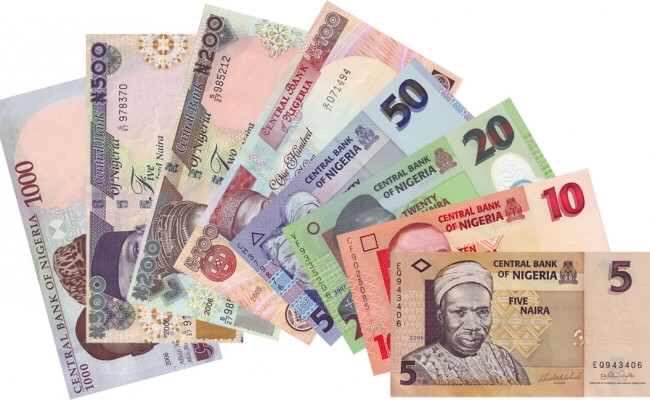
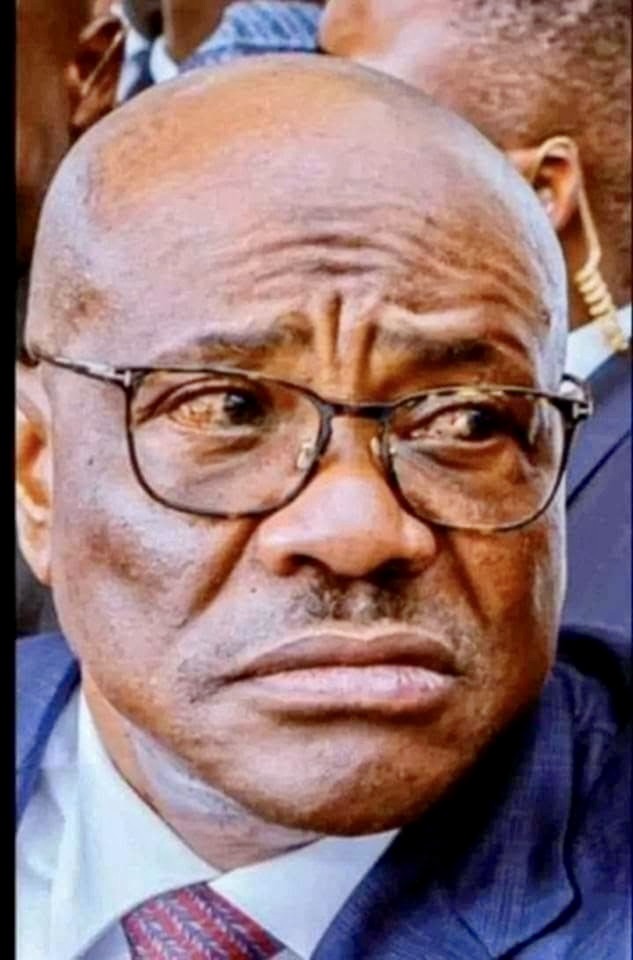
Once upon a time, democracy was sold to us as government of the people, by the people, for the people. Somewhere along the line, the fine print was updated to read: for the people—terms and conditions apply; corporations and godfathers only.
In the United States, the Supreme Court performed a miracle worthy of the Book of Revelations in Citizens United v. FEC. With one judgment, money was baptised as “free speech” and corporations were quietly upgraded from legal entities to loud political citizens with megaphones the size of oil rigs. Ordinary voters still have one vote each; corporations, however, now vote in dollars, and dollars—unlike humans—never sleep, never get tired, and never ask for pothole repairs.
The result? Politicians who no longer campaign door-to-door but rather go account-to-account. Town hall meetings have been replaced with boardroom briefings. Constituents are now politely referred to as “background noise,” while donors enjoy VIP seating, backstage passes, and influence without the inconvenience of elections.
Nigeria, being a country that never copies homework without adding local flavour, said: Why stop at money influencing politicians when we can simply install them outright? Enter the age of godfatherism—our own indigenous political technology, proudly made in Nigeria.
Here, democracy is not corrupted through court judgments but through sheer audacity. Political heavyweights—men with fearsome reputations and even more fearsome bank accounts—simply point at a candidate and say, “You. You will be governor.” Elections then become ceremonial events, like naming ceremonies where the baby’s name was decided long before the guests arrived.
Figures like Wike, Oshiomhole, and Bello (names that now function more like political job titles than personal identities) have mastered the fine art of stooge installation. The governor is sworn in, the godfather is sworn at (quietly, of course), and state funds immediately begin their spiritual journey from public treasury to private comfort. Infrastructure remains under construction indefinitely, which is convenient because unfinished projects are harder to audit.
In both countries, the end result is the same tragic comedy. The politician wakes up every morning asking not, “What do my people need?” but “Who funded my last campaign, and are they still happy?” Democracy survives, but only as a brand name—like “pure water” that contains everything except purity.
So here we are: America with its legalised cheque-book democracy, Nigeria with its cash-and-carry version. Different methods, same outcome. The people vote, the money wins, and democracy writes a resignation letter it never gets to submit.
At this rate, the future of democracy looks clear. Ballot papers will soon be optional. All we’ll need is a Supreme Court judgment in one hand, a godfather in the other, and enough money to shout louder than the electorate. After all, in modern democracy, the loudest voice is no longer the people’s—it’s the one with the biggest wallet.

