

There is a very simple, unscientific but brutally honest way to test the relevance of the UK printed press: get on the Underground at rush hour.
Coach one to the last coach. Peak time. Elbows, backpacks, mild resentment in the air. What you will not see is a man triumphantly unfolding a broadsheet like it’s 1987. No rustle of newsprint. No blackened fingers. No one wrestling a newspaper the size of a bedsheet while clinging to a pole. Everyone is staring into a phone, doom-scrolling, texting, watching TikTok, or pretending to read emails they will never answer.
If relevance is measured by eyeballs, the printed press lost this war some time around the invention of the smartphone and died quietly somewhere between the Victoria and Northern lines.
And yet.
The British press refuses to lie down and behave like a dead industry.
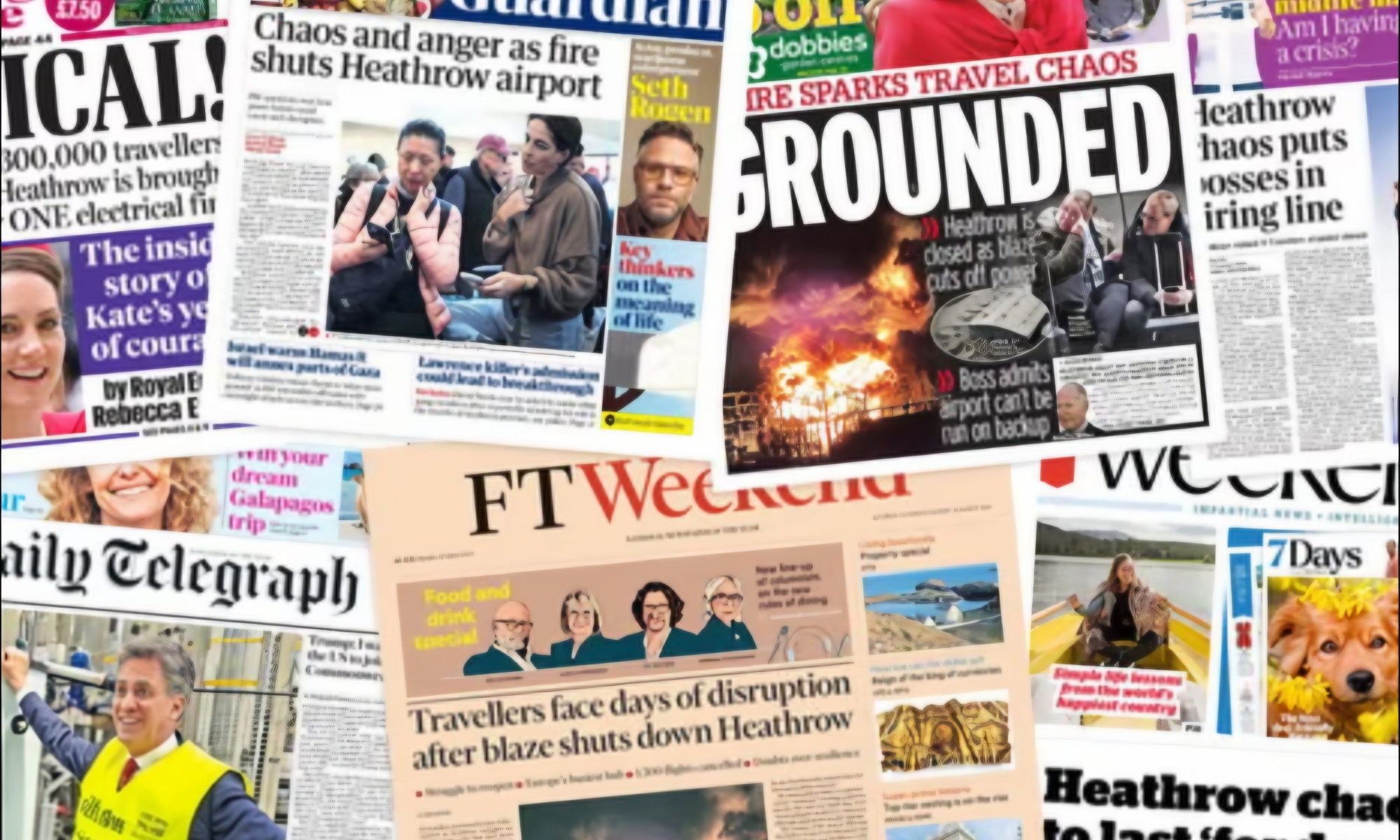
The great paradox is this: TV and social media are now keeping the printed press in business. Not the other way around. Newspapers break a story, television amplifies it, social media weaponises it, and the paper then points proudly the next morning and says, “See? Everyone is talking about us.”
Yes, they are. Just not by buying your paper.
Most of the big titles have “gone digital”, which sounds modern and forward-looking until you hit the paywall. The paywall, that magical barrier which assumes millions of people are desperate to subscribe when they already get the same news—often faster and with videos—for free elsewhere.
The number of people willing to pay is respectable. It is not, however, a business model any startup would pitch to investors with a straight face.
“Step one: give away the news everywhere. Step two: hope enough people feel guilty and subscribe.”
And yet, despite all this, the print press remains the tail that wags the dog.
Politicians still tremble at tomorrow’s front pages. Ministers still wake up in cold sweats at the thought of being “splashed”. Press officers still brief “the papers” first, even though the public will encounter the story via Sky News, the BBC, Twitter/X, WhatsApp groups, or a badly cropped Instagram screenshot.
The general vibe—political, cultural, institutional—still treats the printed press with deference. Not because people read it, but because it sets the agenda. Newspapers decide what is “the story”. Television then debates it all day, often by literally holding the paper up to the camera. Social media piles in afterwards, screaming, remixing, and misunderstanding it.
In other words, newspapers no longer dominate consumption, but they still dominate direction.
It is a peculiar form of power: influence without audience, authority without circulation. A relic that everyone pretends still matters because the system is built around it.
So the next time you hear that a newspaper is “in decline”, remember this: yes, it is dying in your hands, but very much alive in Westminster, in TV studios, and in the daily mood music of the country.
Dead on the train. Very much alive in the narrative.
 Centre for Nigeria Progress