

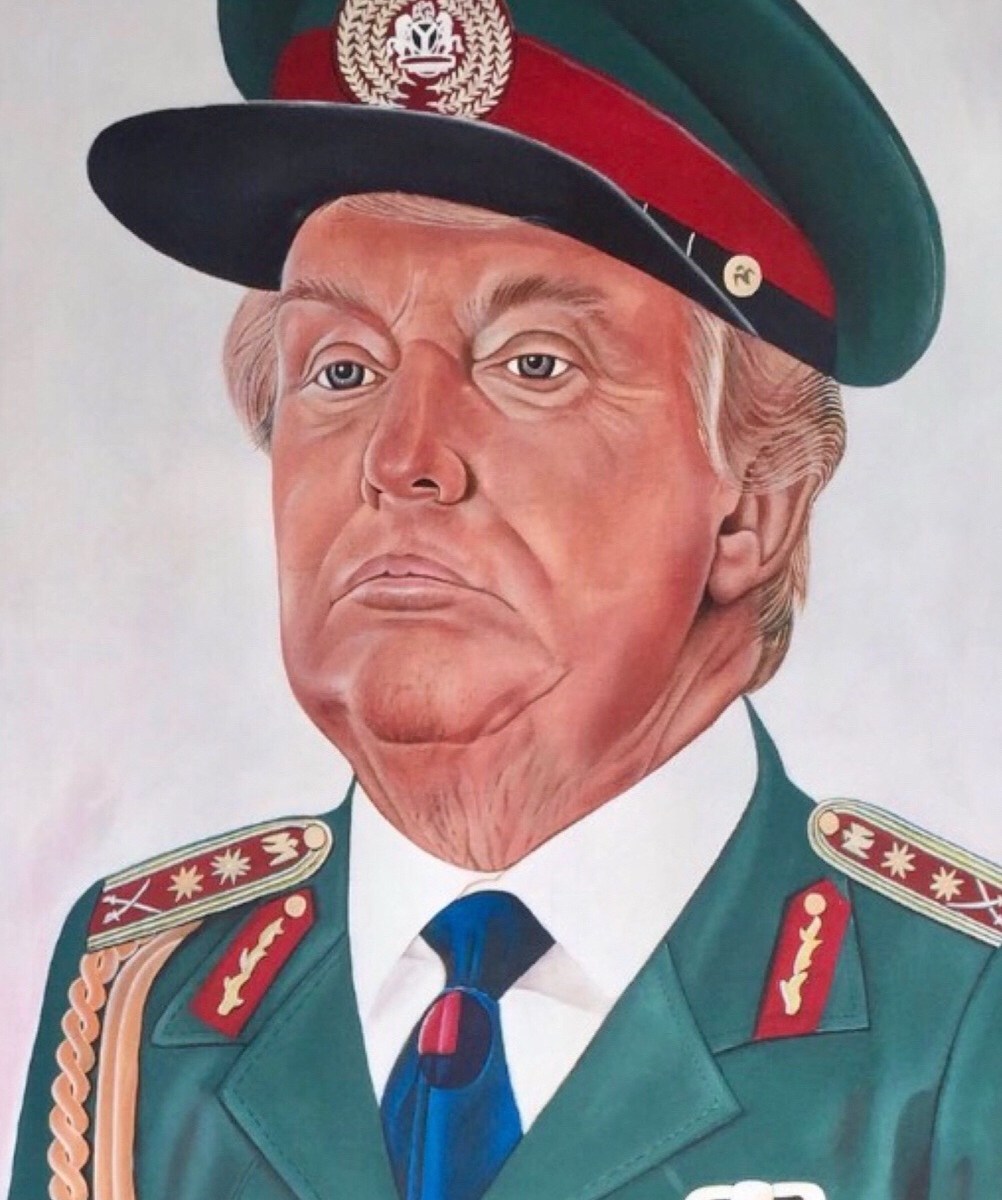
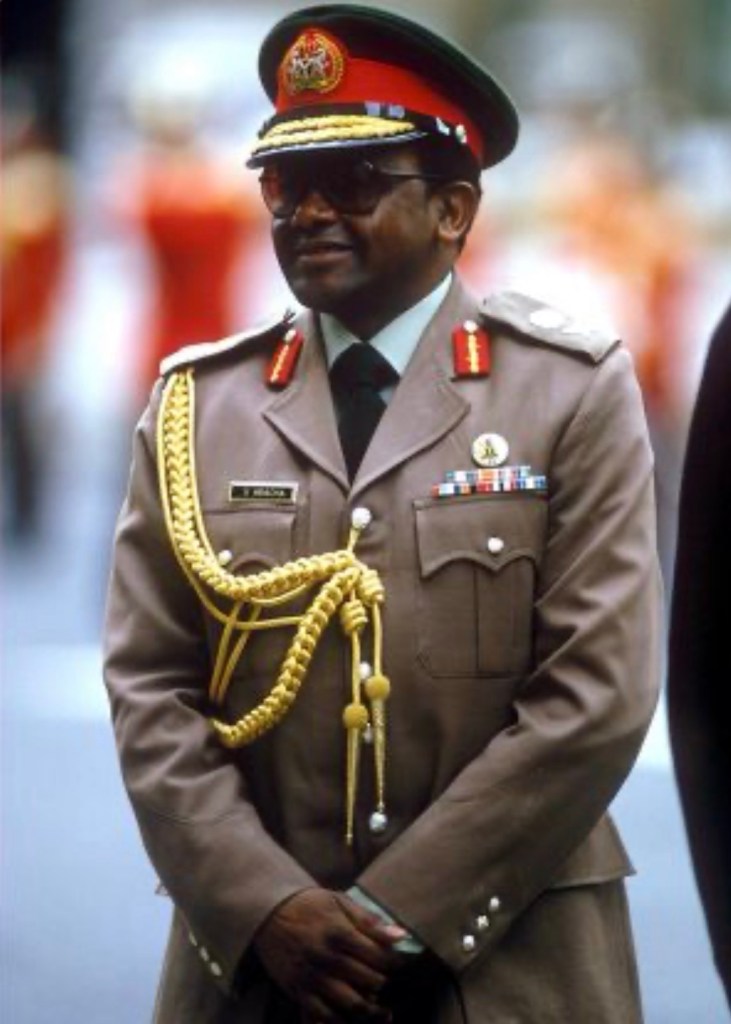
When Donald J. Trump “won” the 2025 elections—won in the special, metaphysical sense that only Trump can win—America finally met the man it had been dating casually for years: its inner Abacha.
This was no ordinary victory. This was not a triumph of ballots but of destiny. Trump did not merely return to the White House; he repossessed it. The building sighed in relief. Portraits adjusted themselves. The Constitution coughed politely and was told to sit at the back.
From day one, the transformation was swift. The Abacha within was unleashed, stretching like a man who had been cramped by courts, elections and other civilian inconveniences. America, land of checks and balances, suddenly discovered that checks bounce and balances are for gym memberships.
First came the talk—no, the musing—about a third term. Not a proposal, not a plan; just vibes. Casual, conversational, floated like a trial balloon filled with helium and hubris. “People are saying,” Trump said, which in Trumpian jurisprudence is superior to Article V. Term limits, he implied, are more of a suggestion, like speed limits or truth.
Then came ICE. Once an immigration agency, now a lifestyle brand. In Abacha’s Nigeria, security outfits multiplied like rabbits on fertiliser. In Trump’s America, ICE began to look less like a bureaucracy and more like a personal militia with a dress code. Immigration today, protests tomorrow, bad vibes next week—why limit talent?
The idea that ICE’s role could expand beyond immigration was floated with the innocence of a man asking whether the Pope might consider franchising. Why shouldn’t ICE help maintain “order”? Why shouldn’t it assist with “internal security”? After all, when you see dissent, why call the police when you can call your people?
Abacha would nod approvingly. Institutions are fine, but loyalty is better.
Corruption, too, found its accent. In Nigeria, Abacha helped himself quietly. Trump, ever the showman, prefers branding. His name began appearing on major projects with the enthusiasm of a man autographing the nation. Highways, federal buildings, policy initiatives—everything looked better with TRUMP in gold letters. Rome had aqueducts; America now has trademarks.
Contracts flowed like communion wine. Donors became disciples. Critics became defendants. Prosecutors became comedians. Judges discovered the joys of being “so-called.” The line between state and self blurred into a tasteful shade of orange.
Opposition, naturally, suffered spontaneous combustion. Republicans who remembered conservatism developed selective amnesia. Democrats discovered the limits of outrage fatigue. Everyone else learned the ancient wisdom of villages everywhere: when the big man is lighting fires, keep your hut damp and your mouth shut.
The chanting returned. USA! USA!—but sung like a loyalty oath. Silence became suspicious. Neutrality became treason. Singing along was no longer optional; it was occupational health and safety.
Like Abacha’s Nigeria, America entered the age of enforced consensus. Not officially, of course. Officially, everything was freer than ever. But somehow, everyone was saying the same thing, believing the same thing, fearing the same thing. Diversity flourished—in approved forms.
And yet, the old parables still apply. Fire does not care who struck the match. Wind does not read executive orders. A system that eats its referees eventually has no game left to rig.
Trump may yet test the limits of time itself. A third term today, a fourth tomorrow—after all, when history is fake news, anything is possible. ICE may yet become the all-purpose broom sweeping America’s many untidy corners. His name may yet be stamped on the moon.
But Abacha learned, too late, that absolute power has an expiration date. Fires always circle back. The village always wakes to ash.
America is not special in this regard. Empires fall the same way villages burn—slowly, then all at once.
Abacha is no longer just a Nigerian ghost. He has been naturalised. He now tweets.
 Centre for Nigeria Progress