


British politics has a short memory and an even shorter attention span. Every few decades, the system produces a mirage: a new party, a dramatic by-election, a breathless media class, and the ritual incantation—“they must now prepare for government.” It is less analysis than séance.
We have been here before.
In the early 1980s, Labour was a helpless spit of a party—internally fractured, ideologically confused, and engaged in the kind of civil war that makes voters quietly edge towards the exit. Out of that chaos emerged the SDP, formed by disillusioned Labour grandees who decided that the problem with Labour was Labour. The SDP promptly won its first by-election. The press went into raptures. The old parties trembled. History was being made.
Then came David Steel.
At a party conference, Steel—joint leader of the SDP–Liberal Alliance—famously declared that, having won a by-election, the party should, after the next general election, prepare for government. The hall erupted—not in applause, but in laughter. Not cruel laughter, but the sort reserved for a man who has mistaken a sparkler for a nuclear reactor.
The Alliance never did prepare for government. It eventually merged with the Liberals and found its natural ecological niche: permanent third party, occasionally useful, never decisive.
Fast-forward to today, and the same play is being performed, with new actors but the same tired script. Reform UK has acquired a handful of defectors—mostly former Tories, some of them former officials, all of them united by the discovery that shouting from the outside is far more enjoyable than governing on the inside. Cue the headlines. Cue the panel discussions. Cue the solemn nodding: “This is a serious force now. They must prepare for government.”
On what basis, exactly?
A few defections do not make a government-in-waiting. Winning protest votes is not the same as building a national coalition. Being loud is not the same as being large. And confusing media oxygen with electoral infrastructure is a classic British political error—right up there with believing focus groups and trusting party unity.
Yet Reform UK is being elevated in the public imagination at warp speed. Not through policy depth, organisational strength, or electoral arithmetic—but through repetition. Say “prepare for government” often enough, and it begins to sound plausible. This is not political analysis; it is political marketing.
And one cannot ignore the curious accent of it all. The over-egging feels oddly orchestrated, as though the script was written somewhere with a different relationship to British political reality. The speed, the confidence, the insistence—it all feels imported. British voters are famously cautious. Our revolutions happen slowly, politely, and usually by accident. This sudden coronation of Reform UK as a future government feels less organic and more like a foreign press release accidentally left on the editor’s desk.
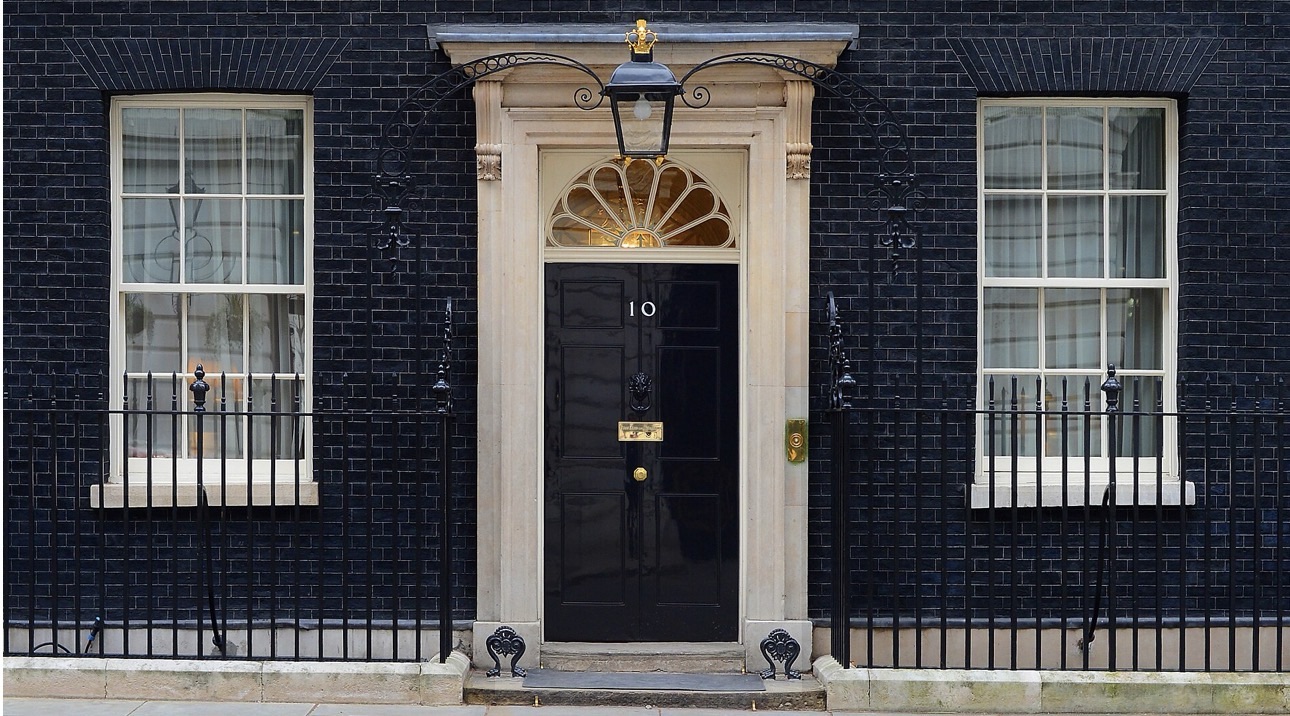
None of this is to say Reform UK cannot influence politics. Protest parties often do. They shape narratives, frighten incumbents, and occasionally force policy shifts. But influence is not incumbency. A megaphone is not a manifesto. And a by-election, as David Steel discovered, is not a rehearsal for Downing Street.
British politics rewards patience, structure, and broad appeal—three things that no amount of media enthusiasm can conjure overnight. Until Reform UK demonstrates those qualities at scale, talk of “preparing for government” belongs where it did in the 1980s: as a punchline.
History does not repeat itself, but in British politics, it does clear its throat and say, “Haven’t we done this before?”
 Centre for Nigeria Progress