

The Nigerian Senate has many powers. It can debate. It can grandstand. It can investigate. It can even, on occasion, legislate. What it cannot do—at least not without running into the Constitution at full speed—is suspend an entire constituency for six months and call it “discipline”.
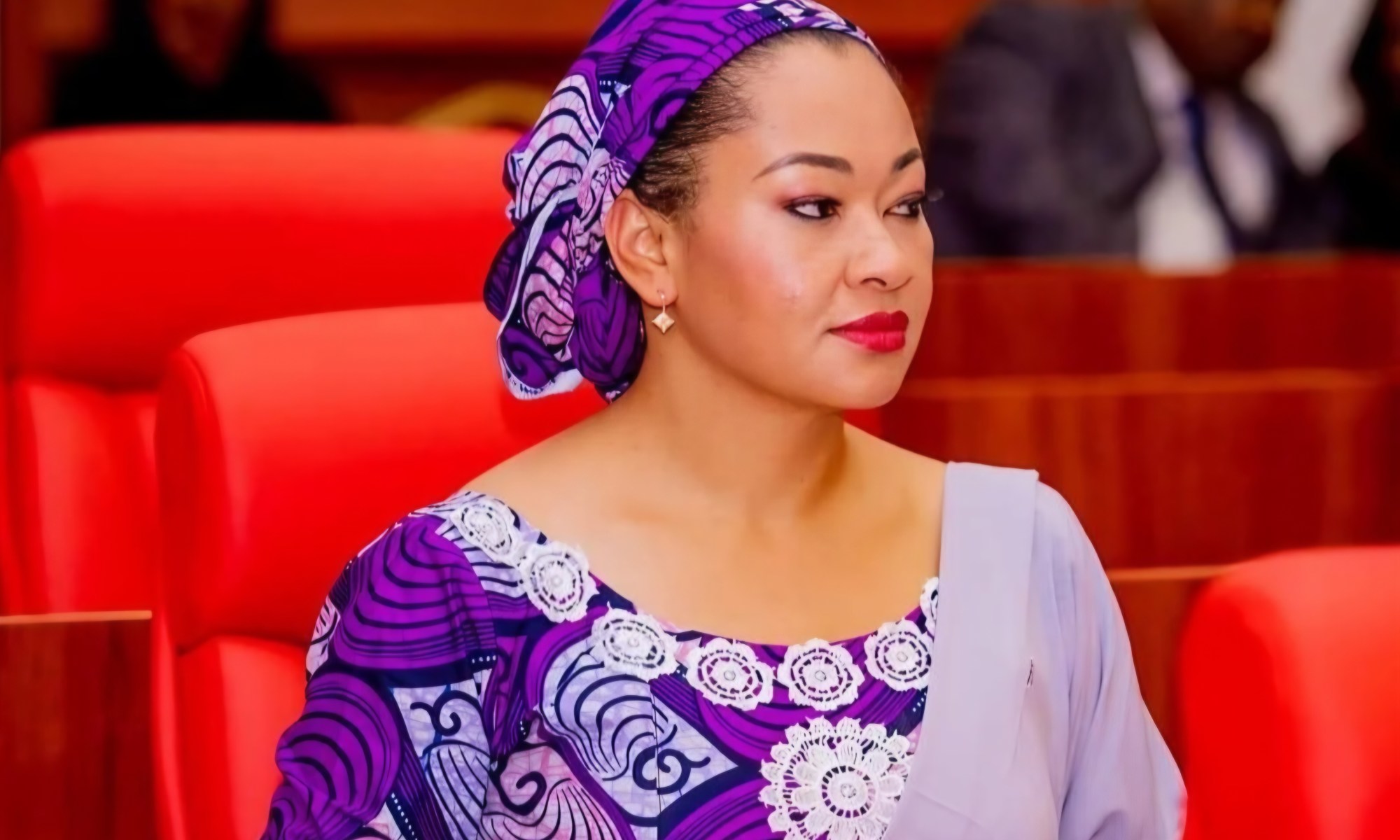
Yet that is precisely the controversy thrown back into the spotlight by today’s ruling of the Court of Appeal in the case of Senator Natasha Akpoti-Uduaghan, where the court upheld the Senate’s power to suspend her for six months, even as it sensibly struck out the decorative extras like the ₦5 million fine and contempt embellishments.
The ruling has revived an old constitutional question the courts had already answered once—and answered clearly.
What Happened
Senator Natasha Akpoti-Uduaghan, representing Kogi Central, was suspended by the Senate for six months following alleged misconduct on the floor of the chamber. Six months in the life of the Senate is not a timeout. It is a full parliamentary session. Bills are introduced, committees sit, oversight is exercised, and political deals are made. By the time a six-month suspension ends, democracy has already packed up and gone home.
She challenged the suspension at the Federal High Court, which held—correctly, many would say—that the length of the suspension was excessive, punitive, and unconstitutional, because it effectively deprived her constituents of representation.
Today, the Court of Appeal disagreed.
Where the Senate Gets Its Power (and Why That Is Not the End of the Story)
The Senate’s disciplinary authority is usually anchored on section 60 of the 1999 Constitution (as amended), which allows each legislative house to “regulate its own procedure”.
This power is real. It is settled. It is not controversial.
But section 60 does not exist in isolation. It must be read alongside:
- section 14(2)(c): sovereignty belongs to the people;
- sections 48–50: which establish constituencies and representation;
- sections 68 and 69: which exhaustively set out how a legislator may lose their seat; and
- section 36(1): fair hearing and proportionality.
Procedural autonomy is not constitutional absolutism. The Senate may regulate its proceedings, but it does not own the mandate of the people. That mandate belongs to the voters, not to Standing Orders.
The Precedent the Court of Appeal Once Set—And Has Now Ignored
This is where things become awkward.
In Dino Melaye v. House of Representatives (2016), the Court of Appeal confronted this exact issue. The court held that while the legislature may suspend a member, such suspension must be brief and temporary.
Why?
Because a long suspension does not merely punish the legislator—it punishes the constituents, who lose their constitutionally guaranteed right to representation. The court was explicit: extended suspensions offend democratic principles and amount to indirect removal from office without constitutional procedure.
That decision was not ambiguous. It was not tentative. It was not a footnote.
Which raises the uncomfortable question:
what has changed—law or mood?
Six Months Is Not Discipline, It Is Disenfranchisement
A six-month suspension is not a regulatory measure. It is a political sanction with constitutional consequences.
The Constitution does not recognise “suspension for a full legislative session” as a method of sidelining elected representatives. If the Senate believes a member should be removed, the Constitution provides mechanisms. If it does not, discipline must stop short of silencing voters.
Anything else turns internal parliamentary discipline into a workaround for constitutional safeguards.
Stare Decisis Is Not a Casual Suggestion
Courts of coordinate jurisdiction are bound by their own earlier decisions unless there are compelling reasons to depart—and those reasons must be stated. Departing silently is not jurisprudence; it is judicial amnesia.
By upholding a six-month suspension without confronting its earlier reasoning on constituency punishment and democratic harm, the Court of Appeal has created uncertainty where clarity once existed.
And uncertainty, in constitutional law, is never neutral. It always benefits power.
This Is Bigger Than Natasha Akpoti
Strip away the personalities and politics, and the issue is stark:
Can the Senate, under the guise of discipline, suspend representation itself?
If the answer is yes, then constituencies exist at the pleasure of parliamentary majorities. If the answer is no—as earlier authority suggested—then today’s ruling is a detour the Supreme Court will need to correct.
Awaiting the Supreme Court (Again)
The hope now is that the Supreme Court will do what it has done repeatedly in Nigeria’s constitutional history: restore proportion, reaffirm precedent, and remind institutions that democracy is not a privilege granted by Standing Orders.
Yes, the Senate can suspend a member.
No, it cannot suspend a constituency for six months.
Because when representation is switched off for half a year, what is being disciplined is not misconduct—it is democracy itself.

