

Public urination exacerbates health issues by spreading bacteria and contaminants, potentially causing infections through contact with wounds or contaminated surfaces. It contributes to environmental pollution, foul odors, fly attraction, and soil/water contamination, heightening risks of waterborne diseases like cholera, typhoid, diarrhea, and hepatitis. In urban areas, poor sanitation infrastructure drives this practice, with 78.7% of adults in one study admitting to it due to absent or unclean public toilets. Open defecation and urination persist in rural Nigeria, linked to multidimensional poverty and inadequate facilities, posing endless threats to public health.
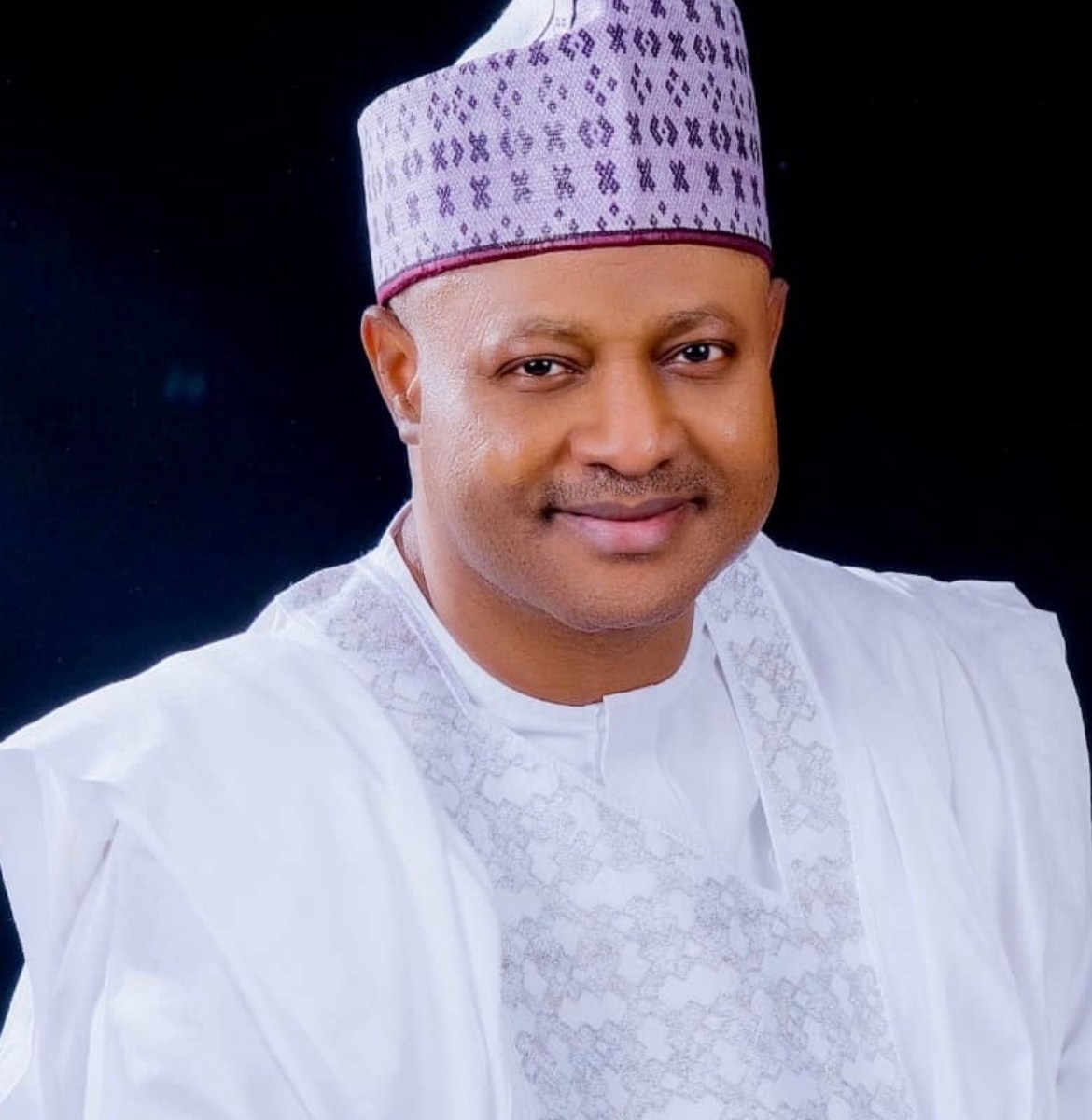
In this instance, if Mr Sani could not hold his urgency, he had options. He could have used the bottle he had in his car, driven to the nearest outlet but he chose to engage in public urination and in breach of his own laws. He made the law for others but not him. He endangered his constituents and made an ass of his law.
Kaduna State Government Policies on the Matter
Kaduna State’s policies address urination-related health issues primarily through broader sanitation and environmental frameworks, focusing on eliminating open defecation (which includes public urination) and improving hygiene. The Kaduna State Water Supply and Sanitation Law, 2016, establishes regulations for water and sanitation services, emphasizing participatory approaches, equitable access, and standards for potable water and hygiene. It promotes community-driven sanitation, cost recovery, and infrastructure development to achieve open defecation-free (ODF) status, aligning with national goals.
In 2020, the state declared a state of emergency on water and sanitation to combat access issues, with support from the World Bank and UNICEF. By 2024, nine local government areas (LGAs) were validated as ODF, covering nearly 40% of the population, through partnerships with UNICEF and community-led initiatives. The “Clean Nigeria: Use the Toilet” campaign, endorsed federally and implemented locally, targets open urination and defecation.
In 2026, Governor Uba Sani launched “Operation Tsapta,” an environmental initiative creating 5,000 jobs for youths and women to enhance waste management and hygiene, particularly in the Kaduna metropolis. This includes a mandatory monthly statewide sanitation exercise on the last Saturday of every month (starting November 29, 2025), from 7:00 am to 10:00 am, mobilizing communities to clean public spaces and enforce sanitation. The policy prohibits public urination indirectly via environmental laws, with calls for enforcement against indecent exposure, though challenges like inadequate public toilets persist. Investments in toilets, waste disposal, and WASH committees aim to reduce health risks, with a focus on preventive measures amid sobering health indicators.

