

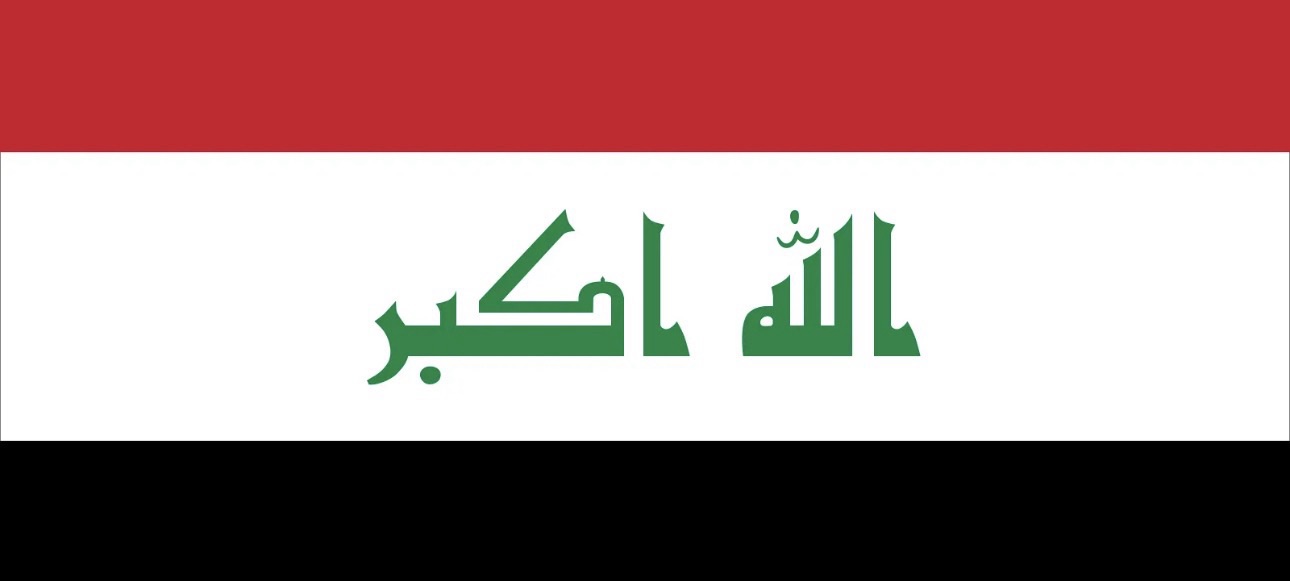
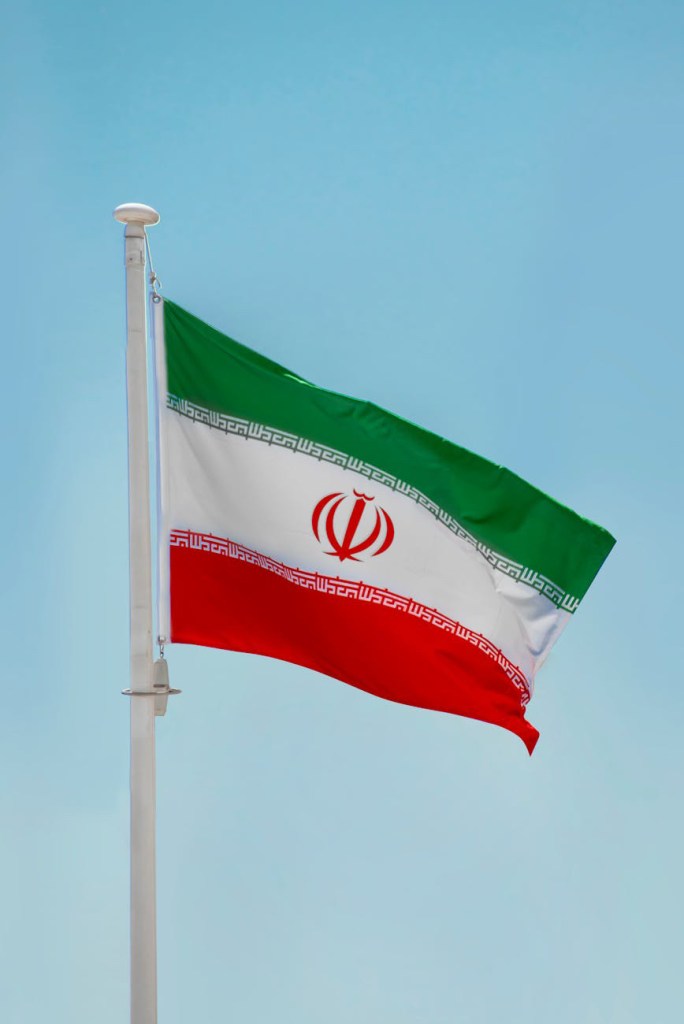
When the United States invaded Iraq in 2003, one of the most visible civilian advocates was Ahmed Chalabi. He positioned himself as the indispensable intermediary between Washington and Baghdad-in-exile. He supplied intelligence—much of it later discredited—about weapons of mass destruction and internal Iraqi dynamics. Sections of the American political class and media embraced him as the future of a “liberated” Iraq.
But politics is not a seminar room. It is a marketplace.
Once the Iraqi state was violently dismantled, Iraqis themselves assessed the merchandise. Chalabi’s domestic legitimacy proved vanishingly thin. His attempts to convert foreign patronage into indigenous authority failed. The man presented abroad as a statesman was, at home, electorally marginal. The arrowhead Washington imagined turned out to be made of rubber.
That pattern matters.
Today, the rhetoric directed at Iran echoes that earlier experiment. The administration of Donald Trump has oscillated between sanctions, theatrical threats, and appeals—sometimes shouted across social media—to the Iranian people to overthrow their own government. Regime change, again, is framed as an exportable commodity.
But where is the credible domestic vehicle?
Attention briefly turned to Reza Pahlavi, son of the late Shah. Resident in the United States, articulate in Western media, he was floated in some quarters as a symbolic rallying point. The problem is structural, not personal: Iran in 2026 is not Iran in 1978. Nostalgia in exile does not automatically translate into mobilisation at home. Political legitimacy cannot be subcontracted to émigré memory.
When no viable “Chalabi” emerges, the megaphone replaces the intermediary. But megaphone diplomacy rarely produces durable outcomes. It may energise domestic political bases abroad; it does not, by itself, reorganise sovereign societies.
Meanwhile, regional dynamics complicate the picture. Israel’s security establishment has long operated on a doctrine of strategic superiority within a fragmented neighbourhood. It is a matter of record that states such as Syria and Lebanon have endured profound internal crises, while Palestinian political geography remains divided and constrained. Fragmentation next door can appear tactically advantageous.
The question is whether it is strategically sustainable.
A region composed of weakened or failing states does not generate stability; it incubates militias, proxy warfare, irregular migration, and permanent low-grade conflict. Security purchased through neighbourly collapse tends to accrue compound interest in the form of long-term insecurity.
The much-publicised Abraham Accords were marketed as a diplomatic breakthrough—normalisation agreements between Israel and several Arab governments. They undoubtedly altered formal diplomatic alignments. Yet they were elite-driven accords. The deeper test is sociological rather than ceremonial: do they reconfigure public sentiment across societies, or do they sit atop unresolved grievances?
Peace frameworks that do not incorporate broad-based legitimacy often prove brittle. They survive while the geopolitical winds are favourable; they strain when those winds shift.
And then there is leadership.
Benjamin Netanyahu is a formidable political tactician. He has navigated coalitions, prosecutions, and wars with notable resilience. Yet even the most durable political careers operate within time’s jurisdiction. Democracies rotate. Legal systems persist. Public patience fluctuates.
It is tempting in moments of crisis to conflate personal political survival with national interest. History suggests that this is a dangerous equivalence. Leaders may calculate that heightened external confrontation consolidates domestic cohesion. Sometimes it does. Sometimes it merely postpones reckoning.
There is an old aphorism: politicians think in election cycles; statesmen think in generations. The Middle East has endured enough experiments in externally lubricated regime change, enough wars launched on speculative intelligence, enough grand bargains negotiated over the heads of ordinary people.
The lesson from Iraq is not merely that intelligence can be wrong. It is that legitimacy cannot be air-dropped.
If regional stability is the objective, it will not be secured by searching for the next exile to anoint, nor by amplifying slogans over sovereign borders. It will require political settlements rooted in local consent, economic integration that benefits populations rather than elites, and security arrangements that reduce—not multiply—points of ignition.
History does not shout. It accumulates evidence.
And eventually, it renders a verdict.

