

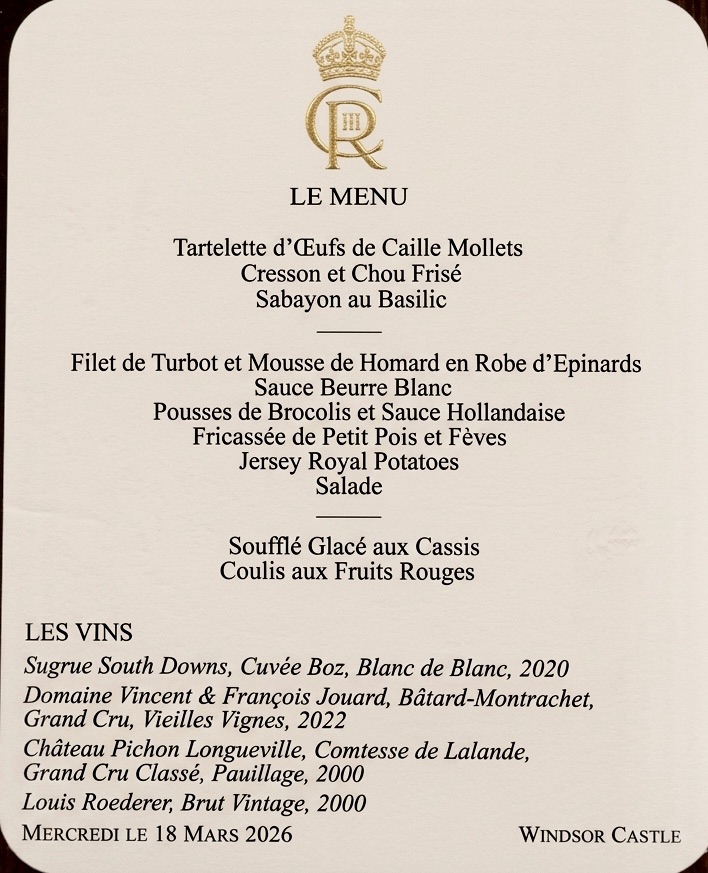
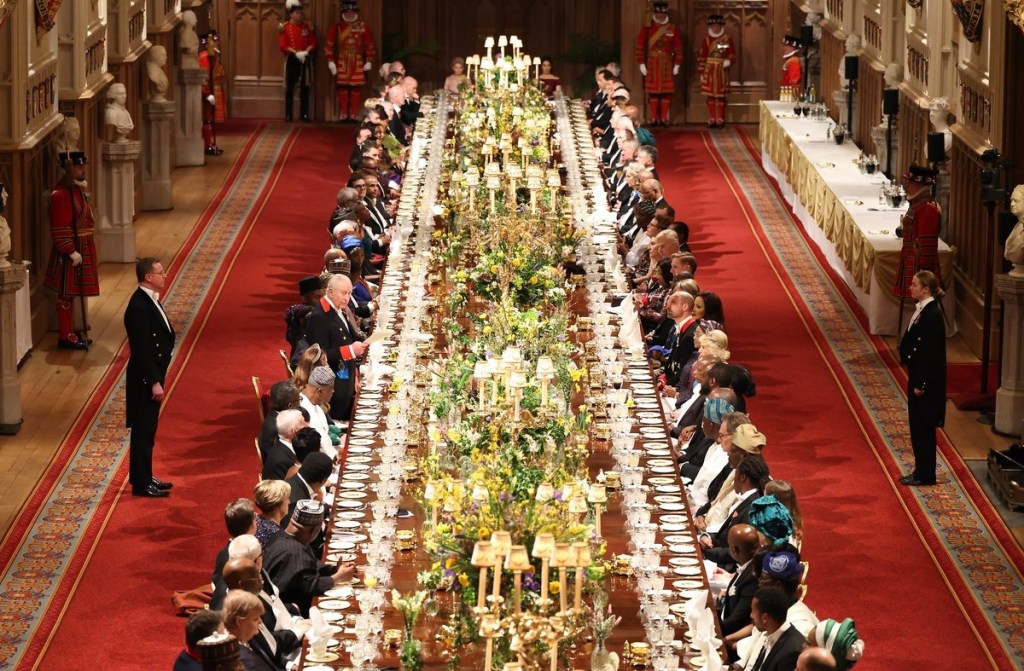
There are state visits, and then there are state visits where you suspect half the delegation is nodding politely while mentally Googling, “What does entente cordiale actually mean?”
When Bola Ahmed Tinubu jetted off to the United Kingdom to sign that now-infamous migration Memorandum of Understanding with Nigeria, one imagines the occasion was dressed up as a grand diplomatic banquet. Crystal glasses. Polished cutlery. Smiles sharpened to a Commonwealth-approved gleam.
But somewhere between the starter and the main course, it became painfully obvious: Nigeria may have attended the dinner, but it did not understand the menu.
Because—how does one put this delicately?—the menu was written in French.
Now, this is not to suggest that French is inherently suspicious. After all, it is the language of diplomacy, cuisine, and mildly condescending waiters. But when your delegation collectively treats “deportation framework” as if it were “crème brûlée,” you begin to see how things can go sideways.
Picture the scene.
The British host presents the menu with a reassuring smile:
“Today, we offer a light arrangement of returns, removals, and reciprocal cooperation.”
The Nigerian delegation, eager not to appear unsophisticated, nods enthusiastically.
“Excellent,” someone says. “We’ll have that.”
No one asks for a translation.
No one calls for Google Translate.
No one whispers, “Oga, this thing we are about to eat… is it goat meat or goat policy?”
And so, the order is placed.
Course One: Entrée à la Deportation
The first dish arrives swiftly. It is efficient, well-packaged, and comes with British administrative precision.
“This,” says the host, “allows us to return Nigerian nationals with ease.”
“Ah,” says the delegation, chewing thoughtfully. “Very streamlined.”
It is only after the third bite that someone asks, “Wait—return them to where?”
Course Two: Reciprocity (Chef’s Interpretation)
Here is where things get interesting.
The British side describes this as a “mutual arrangement.” A partnership. A shared table.
But upon closer inspection, one plate is full, and the other is… aspirational.
The UK receives:
A smoother pipeline for deportations Reduced bureaucratic friction Diplomatic applause for “cooperation”
Nigeria receives:
A firm handshake A photograph And the vague promise of “continued dialogue”
It is at this point that a junior aide begins to suspect that “reciprocity” may have been mistranslated as “hope.”
Course Three: Visa Liberalisation (Not Included)
Somewhere in the back of the room, a hopeful voice asks:
“Does this come with easier visa access for Nigerians?”
The waiter, maintaining impeccable British politeness, replies:
“Ah, no. That is not on today’s menu.”
“But we assumed—”
“Yes,” the waiter interrupts gently, “many guests do.”
Dessert: Strategic Ambiguity
By the time dessert arrives, it is clear that the meal has been consumed, the photos have been taken, and the communiqué has been drafted.
The delegation smiles for the cameras.
Everyone looks satisfied.
But on the flight home, somewhere over the Atlantic, a quiet realization dawns:
“We may have just signed up for a tasting menu we didn’t order.”
The Real Issue: Not French, But Fluency
Let’s be clear—the problem is not that the menu was in French.
The problem is that Nigeria showed up to a negotiation without insisting on reading the fine print in its own language—politically, strategically, and intellectually.
Diplomacy is not a buffet where you point at shiny dishes and hope for the best. It is a contract negotiation where every clause has consequences, and every “understanding” must actually be understood.
When you fail to interrogate the terms, you don’t get a partnership—you get plated.
Final Thought: Next Time, Bring a Translator… or a Spine
If Nigeria must attend future diplomatic banquets, two items should be mandatory in the delegation’s luggage:
A translator A refusal to order anything described as “mutually beneficial” without checking who benefits first, most, and last
Because in international relations, as in fine dining, if you don’t understand the menu, there is a strong chance you are the main course.
Bon appétit.

