

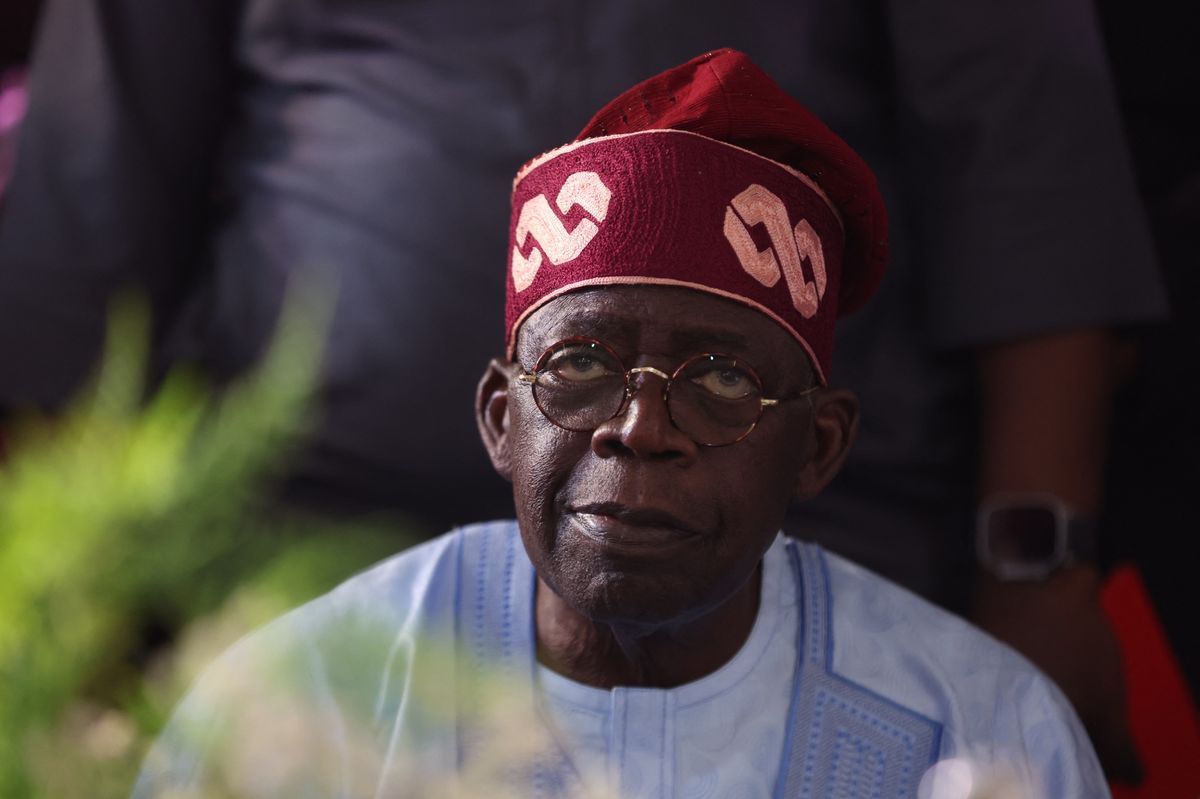

President Bola Ahmed Tinubu assumed office on May 29, 2023, inheriting an economy plagued by fiscal distortions, multiple exchange rates, heavy subsidy burdens, infrastructure deficits, insecurity, and declining investor confidence. His administration’s “Renewed Hope Agenda”—an eight-point framework—prioritizes macroeconomic stabilization, security enhancement, infrastructure development, human capital investment (education, health, agriculture), and governance reforms. Central to this are bold, often abrupt structural changes, notably the immediate removal of the long-standing petrol subsidy and unification of the foreign exchange market.
These policies align with long-recommended IMF/World Bank-style adjustments but represent “shock therapy” in execution. By early 2026 (nearly three years in), official narratives highlight a fiscal reset, improved macroeconomic indicators, and laying foundations for sustainable growth. Critics and independent assessments point to significant short-term hardships, widened inequality, and uneven benefits. Below is a thorough, multi-angle overview of key policy impacts, drawing on reported data, achievements, criticisms, nuances, edge cases, and broader implications as of April 2026.
1. Economic Reforms: Subsidy Removal, Forex Unification, and Fiscal Discipline
Core Policies:
- Fuel Subsidy Removal (announced inauguration day, effective June 2023): Ended a regressive, corruption-prone system that consumed trillions of naira annually (e.g., estimates of ₦4 trillion budgeted in 2022 alone; cumulative ₦13.7 trillion over prior 16 years in some reports). Savings redirected toward infrastructure, social investment, and debt management.
- Exchange Rate Unification (mid-2023): Consolidated multiple rates (official, Investors & Exporters, parallel/black market) into a managed floating “willing buyer, willing seller” regime. Aimed to eliminate arbitrage, boost forex supply, attract investment, and improve transparency.
- Supporting Measures: Tax reforms (2025 Tax Reform Acts for harmonization and base broadening), tighter fiscal policy, revenue mobilization (non-oil receipts surged), and digital safety nets. Commitment to no reversal of core pillars.
Positive Impacts and Achievements:
- Fiscal Relief and Revenue Gains: Subsidy removal saved an estimated $10 billion+ annually, narrowing the fiscal deficit (from ~5.4% of GDP in 2023 toward 3.0% in 2024). Non-oil revenue improved significantly; government reported stronger collections and reduced “ways and means” borrowing reliance.
- Macro Stability Signals: By late 2025/early 2026, inflation trended downward (peaking near 34% in 2024, declining to below 15% or around 14.45% by November 2025 in official figures, with further reductions projected for 2026). External reserves strengthened (reports of $40–46 billion range, up substantially from lows near $4 billion early on). Trade surpluses recorded (e.g., ₦6.69 trillion in one quarter). Naira volatility eased after initial sharp depreciation. GDP growth showed resilience: quarterly figures around 3–4.6%, with 2025 annualized exceeding 4% in some projections; forecasts for 2026 range 3.7–4.4% or higher (World Bank revisions upward).
- Investor Confidence: Nigeria exited the FATF grey list; oversubscribed Eurobonds; stock market gains (e.g., 48%+ in 2025); renewed multinational interest; sovereign credit rating considerations improved due to perceived fiscal discipline. Oil production stabilized somewhat (around 1.3–1.5 mbpd), with PIA implementation boosting upstream transparency.
Negative Impacts and Criticisms:
- Inflationary Shock and Cost-of-Living Crisis: Petrol prices tripled or more (from ~₦185 to ₦500–600+), cascading into transportation, food, electricity tariffs (threefold increases in some bands), education, and healthcare costs. Headline inflation spiked sharply post-reforms. Food inflation hit poor households hardest (they spend up to 70% of income on food).
- Poverty and Inequality Surge: World Bank estimates suggest millions pushed into poverty (e.g., from 81 million in 2019 toward 139 million by late 2025; poverty rate ~61–63% in 2025). Real incomes eroded; underemployment persists despite official unemployment metrics (debated at ~5–30%+ when including informal sector realities).
- Business and Sectoral Strain: Imported inputs and raw materials became costlier due to naira depreciation (from ~₦450/$ to peaks over ₦1,500+ before partial stabilization). Private sector faced margin compression, job losses in some areas, and supply chain disruptions. Electricity supply improvements lagged despite tariff hikes.
Nuances and Multiple Angles:
- Supporter View: These were “courageous” long-overdue corrections others avoided. Short-term pain trades for long-term efficiency, reduced rent-seeking, and a market-driven economy capable of $1 trillion GDP target by 2030. Savings fund productive spending (infrastructure, CNG/EV transition).
- Critic View: Implementation was too sudden, lacking adequate safety nets or phased rollout. “No long manifesto” style (echoing entitlement critiques) prioritized speed over preparation, exacerbating hardship without sufficient palliatives reaching the vulnerable. Parallel realities emerged: elite/procurement gains versus mass austerity.
- Neutral/Analytical: Reforms align with global best practices for subsidy reform and forex liberalization but face classic challenges in high-dependence, low-institutional-capacity contexts. Initial overshoots (e.g., naira crash) reflected pent-up distortions; partial recovery by 2025–2026 indicates adaptation, yet trickle-down remains slow.
Edge Cases and Related Considerations:
- Vulnerable Groups: Informal sector workers, rural populations, and fixed-income households suffered disproportionately. Student loans and targeted programs (e.g., cash transfers) launched but scale debated.
- Oil Sector Specifics: Higher domestic fuel costs ironically pressured NNPC amid arrears disputes; yet PIA reforms aim at efficiency.
- Global Context: Reforms coincided with post-COVID, Ukraine-war headwinds (commodity volatility), amplifying domestic shocks.
- Measurement Issues: GDP rebasing, inflation methodology changes, and official vs. parallel rates complicate direct comparisons. Unemployment data often undercounts underemployment.
Implications: These policies reset fiscal fundamentals but test social cohesion. Sustained stability could unlock investment and diversification (non-oil growth in services/ICT/finance noted). Failure to deliver visible benefits risks reform fatigue, political backlash, or reversal pressures ahead of future cycles. Broader lesson: in resource-rich but inequality-prone nations, sequencing (safety nets first) and communication matter as much as boldness.
2. Security and Governance Reforms
Policies: Shift toward intelligence-led approaches, global partnerships (e.g., US-Nigeria working groups), state policing advocacy, and integrated strategies under National Security Adviser. Increased 2026 budget allocations for defence (~₦5.41 trillion proposed).
Impacts:
- Achievements: Declines in crude oil theft reported; some high-profile rescues or reduced banditry in specific areas (e.g., school abductions). Administration claims overall improvement and expanded economy enabling better resourcing.
- Challenges: Insecurity (banditry, insurgency, kidnappings, farmer-herder clashes) persists or spreads in regions. Poverty-insecurity nexus worsened post-reforms for some analysts. Public skepticism remains high despite kinetic and non-kinetic efforts.
Nuances: More strategic prioritization than predecessors, but systemic issues (porous borders, small arms, governance failures in states) limit federal impact. Edge case: Success in one zone (e.g., oil pipelines) may displace threats elsewhere.
Implications: Security underpins all else—investor flight risk if unresolved. Decentralization debates highlight federalism tensions in Nigeria’s diverse federation.
3. Infrastructure, Energy Transition, and Human Capital
Policies: Accelerated roads, rail (e.g., completing inherited projects), power sector reforms; Presidential Initiative on CNG & Electric Vehicles (PiCNG expanded 2026 for conversion kits, stations, EV push); agriculture productivity; education/health allocations (~₦3.52T education, ₦2.48T health in 2026 proposals); student loans; housing and youth programs (e.g., 3MTT digital skills).
Impacts:
- Positive: Power sector records noted; infrastructure financing up; CNG as bridge fuel offers transport cost relief amid petrol hikes; telecom/digital inflows. GDP contributions from services, construction, and mining (oil/gas).
- Gaps: Electricity access remains limited (millions without reliable power); grid collapses persist. Infrastructure gains uneven (urban bias possible). Human capital investments face absorption challenges amid economic pressure.
Nuances: Long-gestation projects (e.g., rail) show continuity rather than revolution. Energy transition balances gas leverage with net-zero 2060 goals, seeking $25–30B annual climate finance.
Edge Cases: Rural vs. urban divides; private sector role in CNG/EV scaling depends on incentives and infrastructure.
Implications: If scaled, these could drive inclusive growth and job creation (administration targets 10M+ productive engagements). Otherwise, they risk symbolic rather than transformative impact.
4. Overall Synthesis: 2026 Outlook and Broader Considerations
By early 2026, the administration frames 2025 as a “fiscal reset” year of stabilization, with 2026 as consolidation toward robust growth (>4%), lower inflation, and shared prosperity via the Renewed Hope National Development Plan (2026–2030). Metrics show macro improvements (reserves, growth, disinflation, investor metrics), but micro realities—poverty, food insecurity, eroded purchasing power—affect ordinary citizens profoundly. Official optimism contrasts with public opinion snapshots showing mixed or skeptical views.
Multiple Angles:
- Optimistic: Bold leadership breaking cycles of distortion; foundations laid for diversified, competitive economy.
- Pessimistic: Elite insulation (“Parisian” optics critiques) amid mass sacrifice; insufficient mitigation amplifying inequality.
- Balanced: Trade-offs inherent in structural adjustment—short-term costs for potential long-term gains, contingent on execution, global conditions, and adaptive policies (e.g., enhanced safety nets, productivity focus).
Edge Cases and Risks: Oil price volatility, climate impacts, regional spillovers (Sahel insecurity), or political events could derail trajectories. Low institutional trust may hinder reform buy-in. Gender/youth dimensions (women’s programs, skills initiatives) offer inclusion avenues but require monitoring.
Wider Implications: Tinubu’s approach tests whether decisive, market-oriented reforms can succeed in Nigeria’s context of weak safety nets and high expectations. Success could model resilience for other emerging economies; shortfalls risk deepening disillusionment or populist shifts. Democratic accountability (elections as “mute button”) remains key—public memory of hardships vs. delivered gains will shape legacy. Ultimately, translating macro stability into tangible household welfare, job creation, and equitable growth will determine if “Renewed Hope” fulfills its promise or remains aspirational. Ongoing monitoring of 2026 indicators (inflation targets ~12–15%, GDP ~4%+, poverty reversal) will clarify the balance.

