

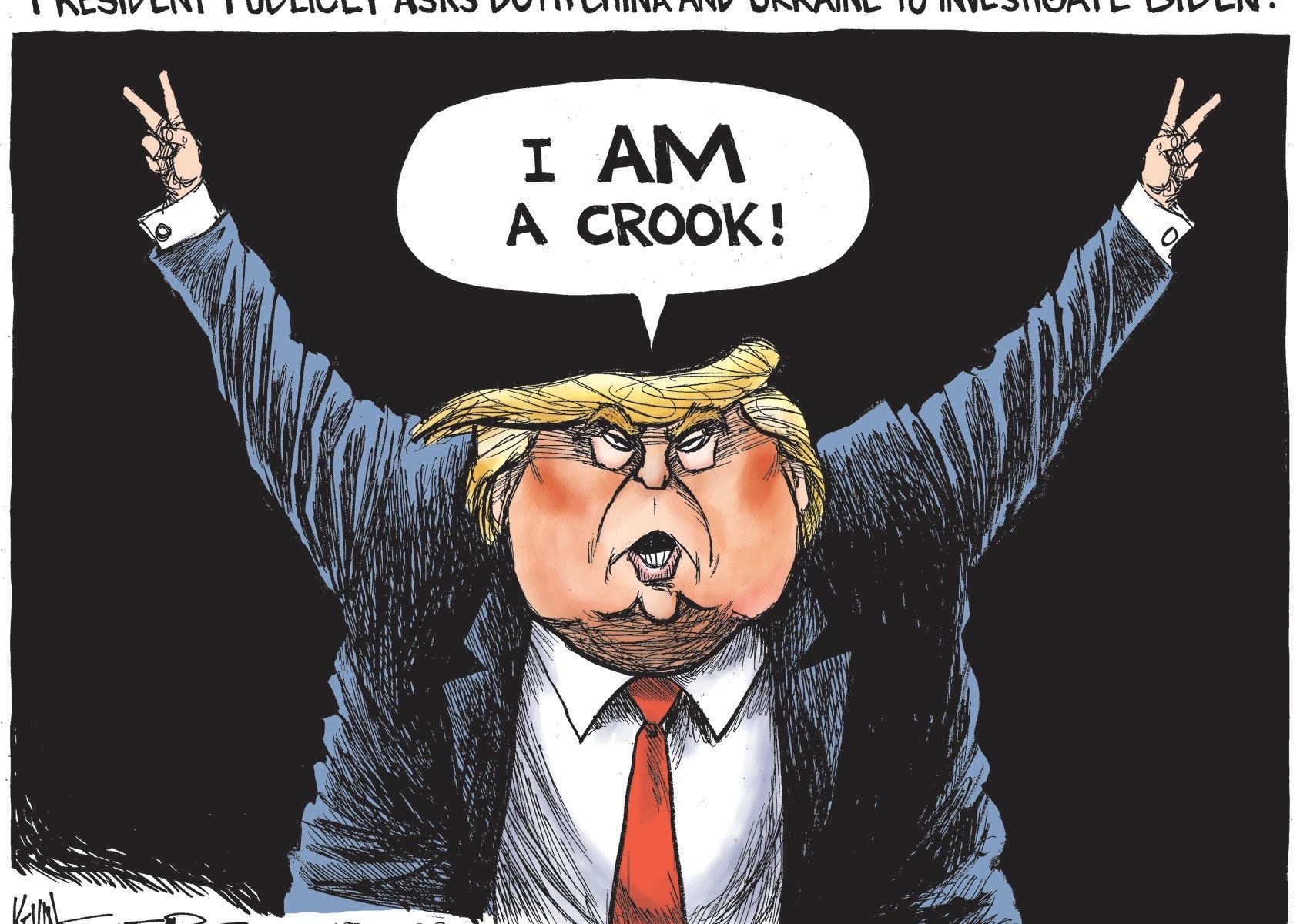
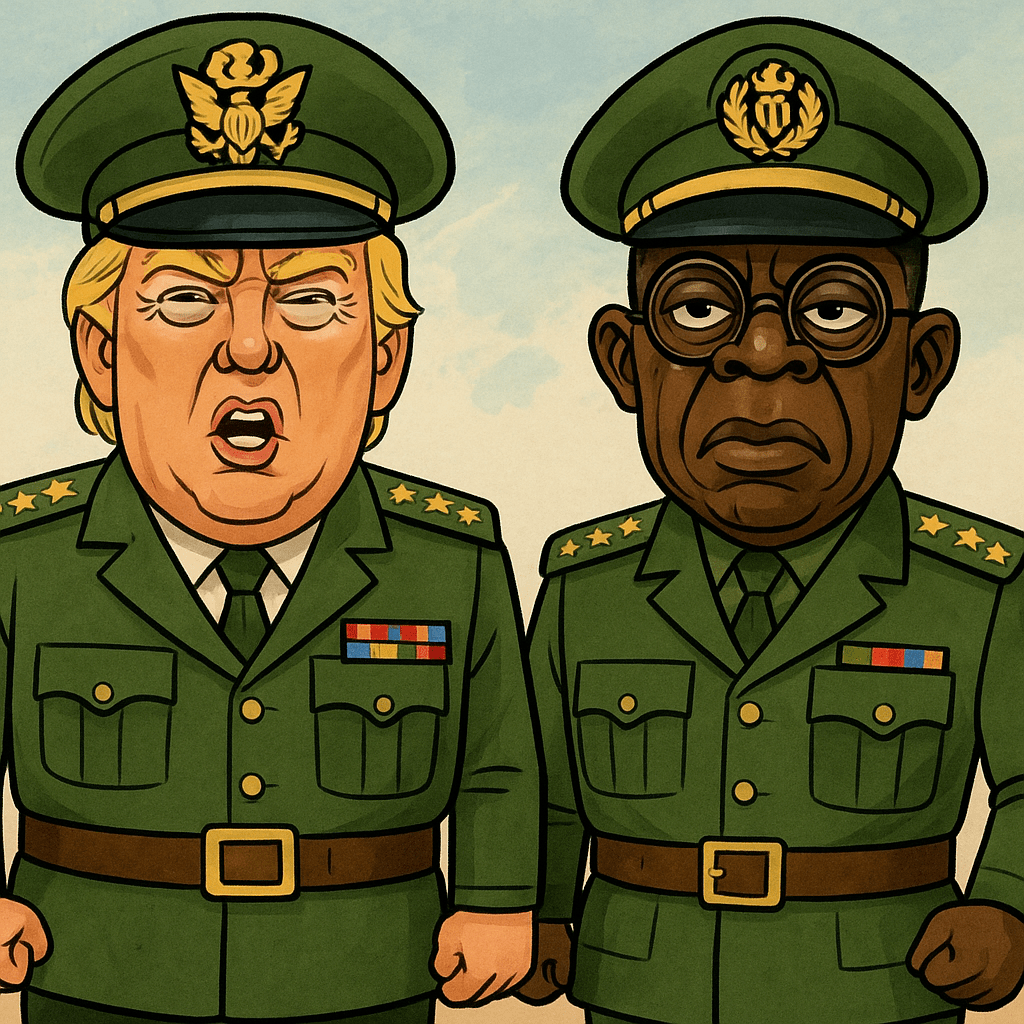
If politics were currency, then Bola Ahmed Tinubu and Donald Trump would be legal tender—widely circulated, frequently disputed, and of highly questionable backing.
At first glance, they operate in different jurisdictions: one in the bustling, improvisational theatre of Nigerian politics, the other in the overproduced reality show that is American democracy. But scratch beneath the surface and you realise they are not just similar—they are mirror images stamped from the same mint of political opportunism.
Both men have mastered the ancient art of strategic association. Not the kind where you surround yourself with wise counsel, but the more adventurous variety where you assemble a cast of characters so morally flexible they could qualify as gymnasts. Integrity is optional; loyalty—preferably blind and unquestioning—is mandatory.
In the court of Donald Trump, this has historically meant a revolving door of aides, advisers, and “very fine people” whose tenure often ends somewhere between public disgrace and legal jeopardy. Meanwhile, Bola Ahmed Tinubu operates a more stable ecosystem—less revolving door, more gated compound—where the same familiar faces reappear like recurring characters in a long-running soap opera titled How to Capture a State.
Then there is their shared economic philosophy: they both know the cost of everything and the value of absolutely nothing. Public institutions? Cost centres. Democratic norms? Negotiable overheads. The rule of law? A flexible subscription service—premium access for friends, buffering delays for everyone else.
What they do understand, with almost poetic clarity, is leverage. For Donald Trump, it’s branding everything from buildings to beliefs, turning governance into a licensing deal. For Bola Ahmed Tinubu, it’s the slow, meticulous construction of political machinery so entrenched that even the opposition occasionally needs directions to find itself.
Both men also share an uncanny relationship with accountability—specifically, an allergy to it. Allegations, investigations, controversies: these are not obstacles but background noise, like traffic in Lagos or cable news in Washington. The trick is not to avoid scandal but to outlive it, outtalk it, and, if necessary, outnumber it.
And what of the people around them? Here lies the true masterpiece. It takes a special kind of leadership to inspire such unwavering devotion from individuals whose résumés might otherwise struggle under the weight of ethical scrutiny. These are not merely aides; they are enablers-in-chief, defenders of the indefensible, professional explainers of the inexplicable. If shamelessness were an Olympic sport, both administrations would sweep the podium.
Yet perhaps the most striking similarity is their approach to governance itself. For both Donald Trump and Bola Ahmed Tinubu, the state is less a public trust and more a private enterprise with unusually patient shareholders. Decisions are made with the urgency of profit extraction and the subtlety of a sledgehammer.
The result? Two nations, vastly different in history and structure, experiencing eerily familiar symptoms: institutional erosion, public cynicism, and a creeping sense that governance has become performance art—loud, chaotic, and suspiciously lucrative for a select few.
Of course, their supporters will insist this is all exaggerated. That these men are misunderstood visionaries, bold reformers, victims of bias. And in a sense, they are right. It does take vision to redefine politics so thoroughly that the line between leadership and self-interest disappears entirely.
So yes, Bola Ahmed Tinubu and Donald Trump are two sides of the same coin. The only real question is this: if this is the currency of modern politics, how long before the public decides it’s completely worthless?

