

Peter Odili’s case stands out even among other 1999–2007 ex-governors (the “class of 1999”) from Nigeria’s return to civilian rule, many of whom faced EFCC scrutiny for massive alleged looting in oil-rich or resource-heavy states. The common pattern: huge allegations during or right after their tenures, followed by prolonged legal delays, political shielding, plea deals, acquittals, or outright impunity. Full convictions with meaningful jail time remain rare.
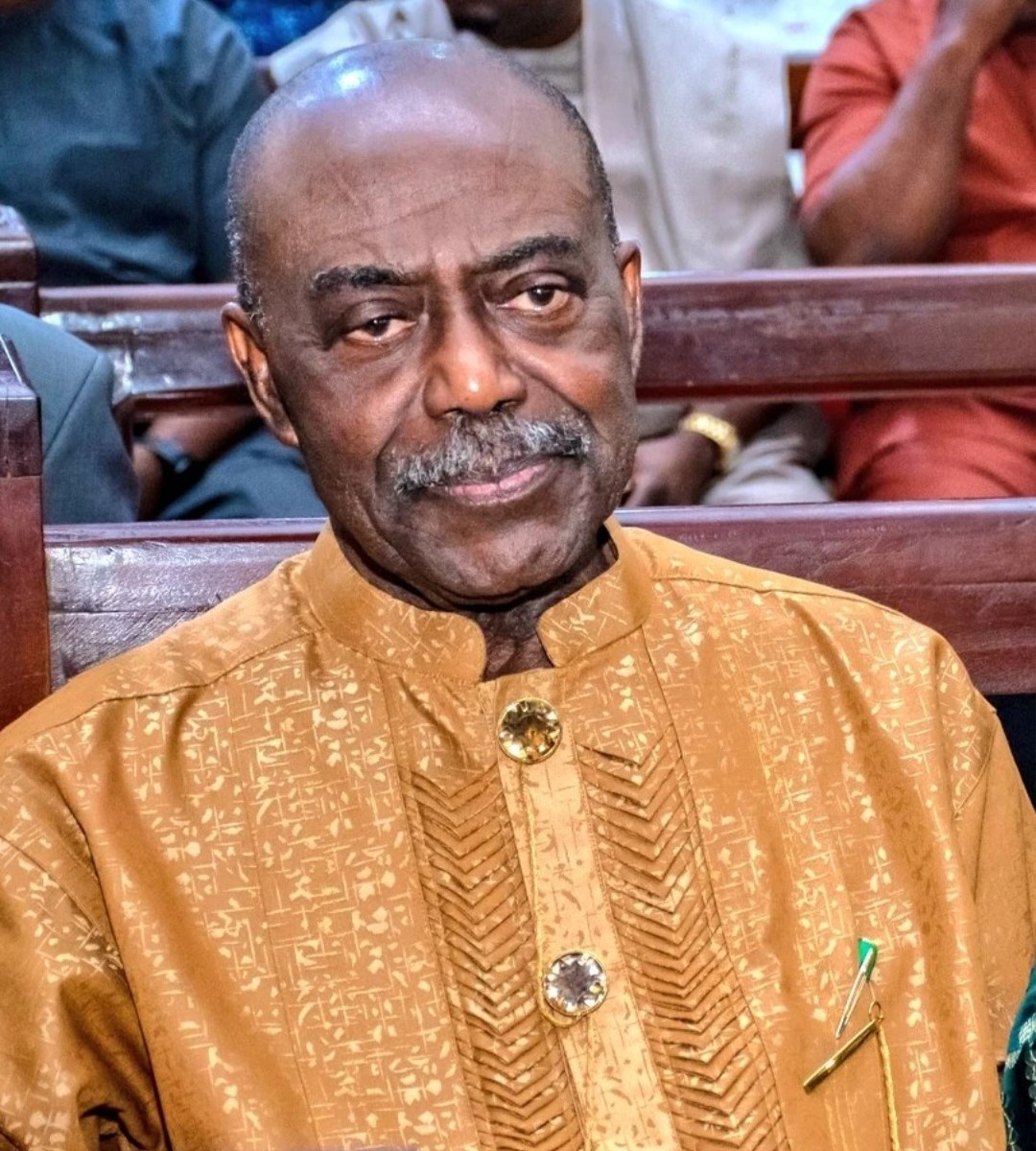
Peter Odili (Rivers State, 1999–2007)
- Allegations: Over N100 billion ($75 million+ at the time) in fraud, money laundering, and abuse of office.
- Key shield: Perpetual injunction (March 2007) from Justice Ibrahim Buba, blocking investigation/prosecution for 18 years.
- Timeline: EFCC interim report (Jan 2007) → injunction → appeal filed ~2008 → stalled → Court of Appeal leave (2018) → Rivers State resistance → Supreme Court dismissal of state appeals (March 10, 2025).
- Current status (as of 2026): No charges filed in court, no trial, no time served. EFCC can now challenge the injunction at the Court of Appeal, but Odili (age 77) remains free and influential. His wife’s Supreme Court tenure (2011–2022) fueled perceptions of elite protection, though no proven direct link.
This is one of the most extreme examples of a “perpetual shield” via court order, lasting nearly two decades.
Comparable High-Profile Cases from the Same Era
Here are key parallels and contrasts (focusing on 1999–2007 governors with major EFCC cases):
- Diepreye Alamieyeseigha (Bayelsa, 1999–2005): Impeached in 2005 while in office (first major governor impeachment on corruption grounds). Arrested in the UK for money laundering; jumped bail (famously disguised as a woman). Pleaded guilty in Nigeria (2007) to corruption/money laundering → sentenced to 2 years (served minimal time due to time already spent in detention). Received presidential pardon (2013) from Goodluck Jonathan (his former deputy). Some assets recovered internationally. He died in 2015. Outcome: Convicted but light punishment + pardon. Faster than Odili but still elite leniency.
- James Ibori (Delta, 1999–2007): Another oil-rich state. Alleged tens of millions in stolen funds laundered abroad. EFCC charges in Nigeria stalled; he evaded arrest initially. Extradited from Dubai to UK → pleaded guilty (2012) to fraud/money laundering → 13-year sentence. Served ~4–5 years (released 2016/2017), returned to Nigeria, and resumed political influence. UK courts later ordered confiscation of over £100 million in assets (some repatriated to Nigeria). Outcome: Rare strong foreign conviction and asset recovery, but Nigerian process failed; he walked free domestically and stayed politically active.
- Lucky Igbinedion (Edo, 1999–2007): Alleged embezzlement of billions (e.g., ~N2.9–N25 billion cited in reports). Charged by EFCC post-2007. Plea bargain (2008): Pleaded guilty to one count → fined ~N3.5 million (~$25,000) with option of 6 months jail; forfeited some assets. Widely criticized as a “slap on the wrist.” Later faced fresh probes (e.g., 2021 detention over N1.6 billion), but no major new conviction. Outcome: Minimal penalty via plea deal; largely untouched long-term.
- Orji Uzor Kalu (Abia, 1999–2007): Alleged N7.1 billion+ fraud/money laundering. Charged 2007. Convicted (2019) → 12 years, but Supreme Court nullified trial (2020) on procedural grounds (judge elevation issue) and ordered retrial. EFCC still pursuing as of 2025–2026 (Court of Appeal granted leave to challenge barriers). Kalu became a senator and remains influential; reports of overseas assets during the case. Outcome: Prolonged delays similar to Odili; conviction overturned, retrial ongoing. No jail time served to date.
- Joshua Dariye (Plateau) and Jolly Nyame (Taraba): Both impeached earlier or charged post-tenure. Convicted in 2018 (Dariye ~10–14 years reduced; Nyame 12–14 years). Both received presidential pardons under Buhari (2023). Outcome: Actual convictions with jail time, but pardons allowed release. Rare “success” stories that ended in forgiveness.
Broader Patterns Across Ex-Governors
- Scale of probes: Reports (including from EFCC and analysts) indicate dozens of ex-governors (often cited as 30–58 from 1999 onward) faced investigations for trillions in alleged losses. Only a small fraction (around 6 convictions historically, with some later weakened or pardoned) resulted in meaningful accountability. Many cases involve Naira billions diverted from state funds in oil-producing states like Rivers, Delta, Bayelsa, and Edo.
- Common tactics for delay/impunity:
- Perpetual or protective injunctions (Odili’s was especially sweeping).
- Endless appeals, procedural challenges, and judge changes.
- Plea bargains leading to fines instead of prison.
- Political pardons or influence (e.g., via Senate seats, godfather roles).
- Elite networks, including judicial or executive connections.
- Rare successes: Foreign jurisdictions (UK for Ibori/Alamieyeseigha) often delivered harsher outcomes and asset recoveries than Nigerian courts. Domestic wins (Dariye/Nyame) were exceptions, later diluted by pardons.
- Overall record: As of 2024–2026 data, EFCC has prosecuted ~33 ex-governors total (across eras), with only ~6 convictions. Many drag on for 10–18+ years. Odili’s 18-year injunction is extreme but fits the “no real consequence” trend for powerful figures. Rivers State’s oil wealth amplified the stakes, similar to Delta/Bayelsa.
Why Odili’s Case Feels Particularly Stark
It combines the longest pre-prosecution shield (via court order), no arrest or even questioning for nearly two decades, and overlap with high judicial/family influence, while the alleged sum was enormous in an oil-rich state where infrastructure lagged. In contrast, Ibori faced international justice, Alamieyeseigha was impeached mid-term, and others got quick (if lenient) plea deals.
This reflects systemic issues: constitutional immunity while in office, weak judicial enforcement, political interference, and the EFCC’s challenges with high-profile targets. The 2025 Supreme Court ruling on Odili is a procedural win for the EFCC, but, like Kalu’s retrial or past cases, actual trial and conviction remain uncertain, especially at his age.
Public frustration (the 😂💀 reaction) stems from this pattern: grand theft with little or no personal cost for the elite, while ordinary cases move faster. Whether Odili finally faces court after 19+ years will be a key test of whether the system can ever deliver on these old files.
 Centre for Nigeria Progress