In Nigerian politics, there are elections, there are constitutions, and then there are godfathers. The first two exist largely for television and newspaper headlines. The third is where the real power often lives.
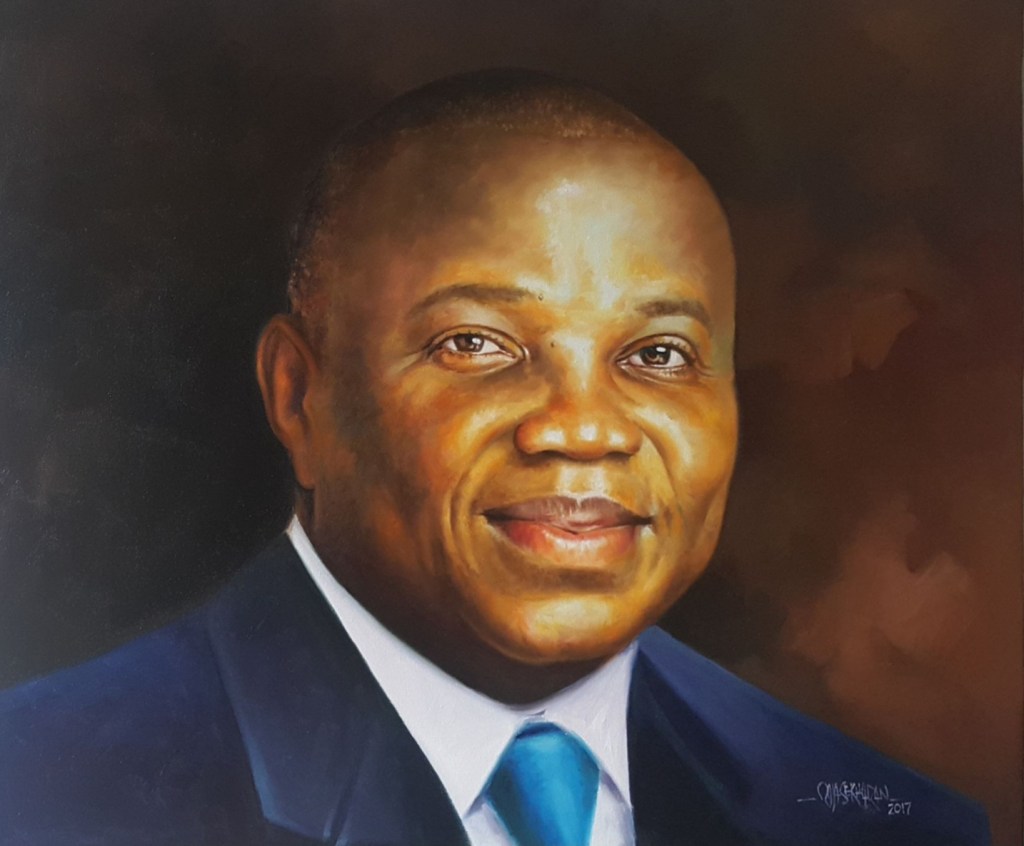
When Akinwunmi Ambode was politically executed by Bola Ahmed Tinubu in Lagos, many treated it as an isolated family quarrel within the APC. It was not. It was a constitutional amendment written in invisible ink across Nigerian politics: no governor is bigger than the political machine that installed him.
Ambode learnt this the hard way.
He governed Lagos without the usual theatrical rebellion common in Nigerian politics. He was careful, technocratic, and excessively deferential. Yet all his attempts to placate Tinubu failed. The political verdict had already been delivered long before the public announcement. His removal was not simply about performance or party disagreements. It was a demonstration project.
The message had to be unmistakable.
Lagos has one political grandmaster and every governor is merely keeping the seat warm.
Tinubu understood something ancient about Nigerian politics: mercy weakens mythology. If Ambode had survived after challenging or drifting away from the political structure that produced him, the illusion of invincibility around the Lagos machine would have cracked. Other governors might begin to imagine independence. Dangerous thoughts like “constitutional authority” and “electoral legitimacy” could start circulating.
So Ambode had to go.
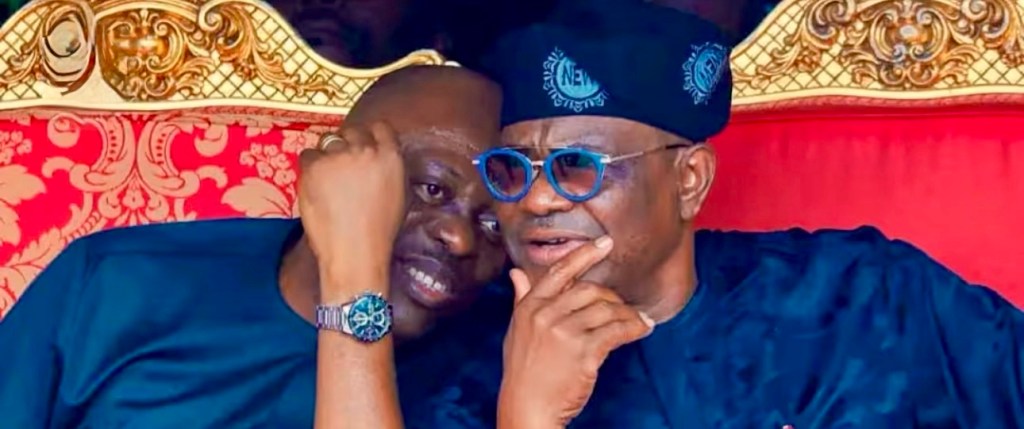
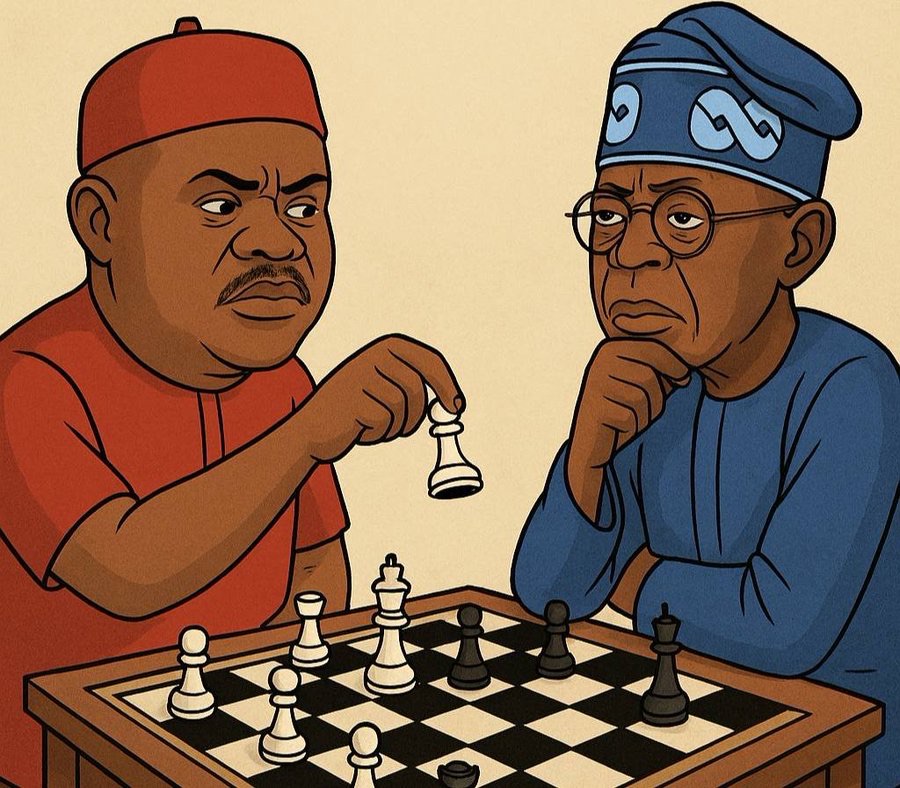
Now, years later, Nyesom Wike appears to have applied the same political template in Rivers State against Siminalayi Fubara.
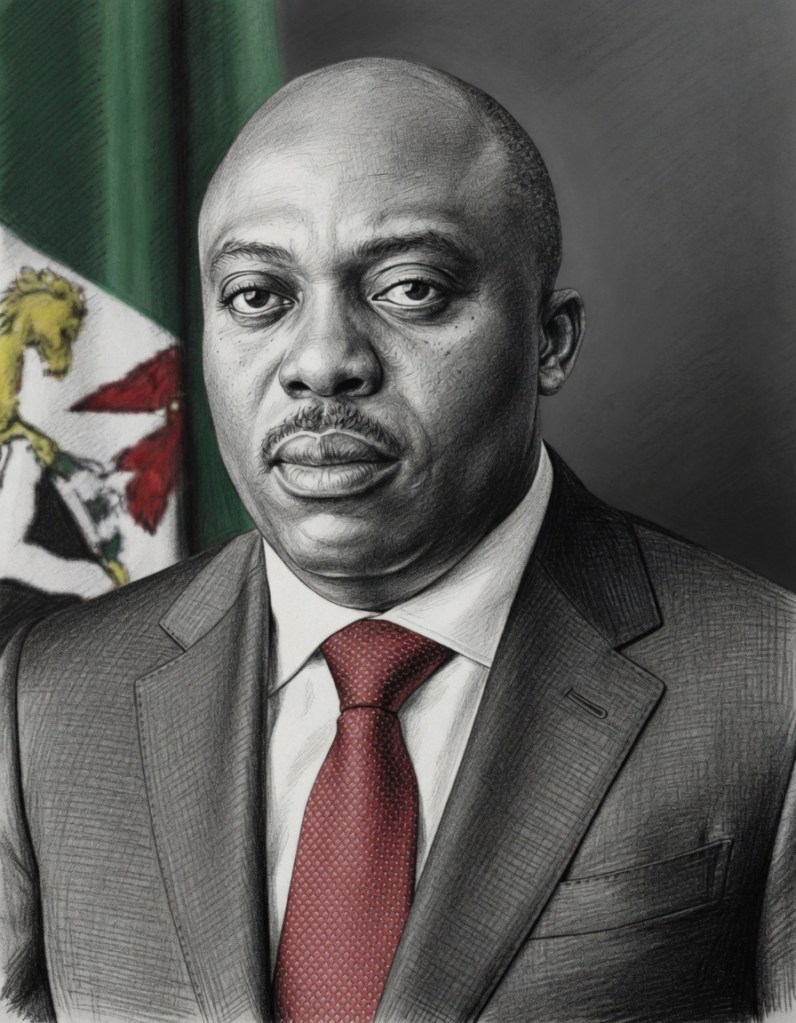
The signs are impossible to ignore. Fubara’s effective removal from the future political equation in Rivers now looks increasingly complete. His dropping out of the APC governorship nomination process is less a tactical retreat and more a public obituary for his governorship beyond 2027.
Again, the issue is not merely governance. It is power preservation.
Wike, like Tinubu before him, appears determined to prove that the political structure matters more than the occupant of office. Governors may sit in Government House, but the landlords often live elsewhere.
What makes Fubara’s predicament particularly remarkable is that the warning signs were always there. The Ambode precedent was not hidden under classified state documents. It happened in full public view. Nigerian politicians watched a sitting governor of the country’s richest state be politically dismantled by the man who made him governor.
That should have been compulsory political science reading for every governor in Nigeria.
Fubara may have convinced himself that the presidency would ultimately protect him from Wike’s political machinery. But why would Tinubu undermine a system he himself perfected? If Tinubu had allowed Fubara to fully escape his godfather’s grip, the consequences would extend far beyond Rivers State.
It would damage the business model.
Because Nigerian godfatherism is not just about politics. It is an investment structure. Political sponsors invest resources, influence, patronage networks, and institutional muscle into candidates with the expectation of future loyalty and control. The moment one successful rebellion is allowed to stand, the entire architecture becomes unstable.
Governors elsewhere would start getting ideas.
Deputies would begin speaking in complete sentences.
Commissioners might even develop self-esteem.
The political class cannot allow such recklessness.
So the godfathers unite, sometimes silently, across party lines and regional divisions, to defend the unwritten constitution of Nigerian power: no political son must ever publicly defeat his political father.
Unfortunately, Nigerian democracy is worse for it.
The constitution says governors are elected by citizens. Nigerian political reality often says they are leased by patrons.
Voters imagine they are choosing leaders. In many cases, they are merely ratifying arrangements already negotiated in private living rooms, Abuja guest houses, and late-night meetings between men who refer to themselves as “leaders” while treating entire states like personal franchises.
The tragedy is not merely Ambode or Fubara as individuals. It is what their experiences reveal about the fragility of democratic institutions in Nigeria. A governor with millions of votes can still become politically homeless if he loses the approval of one powerful sponsor.
That is not democracy in the modern sense.
That is feudalism with ballot papers.
And until Nigerian politics evolves beyond the supremacy of political godfathers, governors will continue behaving less like elected executives and more like tenants terrified of offending their landlords.